THE ADVENTURE COLLECTIVE® · Independent discovery and booking for outdoor travel

Cruise tidal creeks, watch for dolphins, and spend an hour exploring Morris Island’s shell-strewn beach and historic lighthouse. This 2–3 hour eco-boat excursion out of Folly Beach pairs natural history with easy island time — ideal for families and first-time coastal explorers.
Cruise tidal creeks, watch for dolphins, and spend an hour exploring Morris Island’s shell-strewn beach and historic lighthouse. This 2–3 hour eco-boat excursion out of Folly Beach pairs natural history with easy island time — ideal for families and first-time coastal explorers.
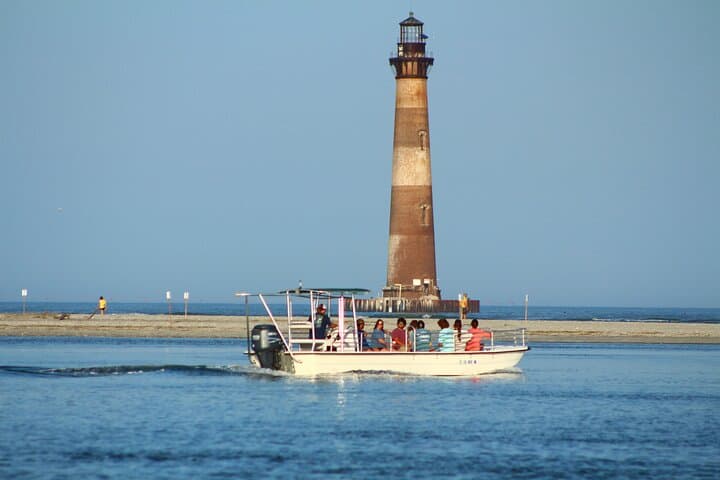
The engine hums low and steady as the skiff slips from the little yellow dock behind Crosby’s Fish & Shrimp, and the marsh exhales salt and green. Spartina grasses bend like a crowd watching you pass; pelicans tilt their heads and dare you to find their fishing holes. In 90 minutes of cruising through tidal creeks and estuary channels you move between two worlds — the inland marsh that feeds Charleston Harbor and the open sand of Morris Island, where the old lighthouse squints back toward the mainland.
Verified experiences and guided adventures in the surrounding area.
Operated by Castaway Island Excursions · Folly Beach, South Carolina
The engine hums low and steady as the skiff slips from the little yellow dock behind Crosby’s Fish & Shrimp, and the marsh exhales salt and green. Spartina grasses bend like a crowd watching you pass; pelicans tilt their heads and dare you to find their fishing holes. In 90 minutes of cruising through tidal creeks and estuary channels you move between two worlds — the inland marsh that feeds Charleston Harbor and the open sand of Morris Island, where the old lighthouse squints back toward the mainland.
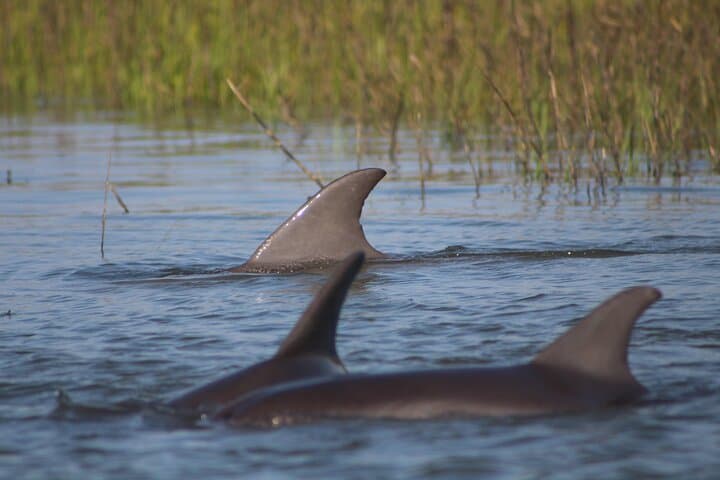
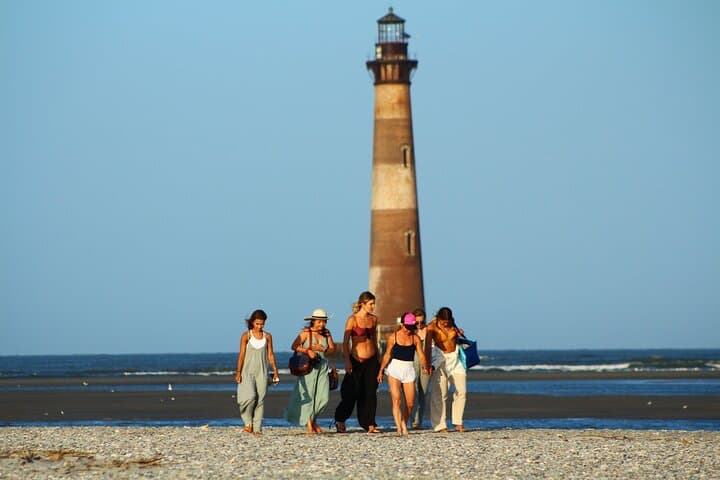
This trip is part natural-history lesson, part coastal day-out. The captain doubles as an eco-guide, narrating how the Cooper and Ashley rivers build the estuary, how tides carry shells across the shoals, and why barrier islands like Morris are always on the move. Morris Island’s lighthouse — the iron tower that has guarded approaches to Charleston since the 19th century — is visible from the beach and frames the horizon while you hunt whelks, look for lightning whelk casts, and scan the surf for bottlenose dolphins.
Geology and human history overlap here. The harbor’s long shoals are the result of sediment from the rivers and centuries of storms; fishermen, blockade runners, and Civil War skirmishes all left marks on these low coasts. Today the island’s primary role is ecological: nesting habitat for sea birds and a nursery for estuarine life. The guide will point out clapper rails in the grass and explain why certain spits are off-limits during nesting season.
Practicality shapes the pleasure. Boats are 27' Carolina skiffs with cushioned bench seating and an ice-filled cooler on board; restrooms and ample parking sit at the departure point. Expect roughly 2–3 hours total — about 90 minutes cruising round-trip and roughly an hour ashore on Morris. Wear sturdy sandals or water shoes for the soft, shifting sand; tide and wind rearrange the shoreline, so the safest place to land shifts day by day.
Bring sun protection, a refillable water bottle, and a light layer for wind off the water. If you’re prone to seasickness, take medication ahead of time; the tidal creeks can be calm but open water pushes the skiff differently. Respect wildlife: keep distance from dolphin pods and give nesting birds wide berth. The company asks you to check in 15 minutes early in their yellow office — they’ll check waivers and point you toward your captain.
Ultimately, this is a saltwater shortcut to Charleston’s coastal core: a close-up of estuary dynamics, an hour of island solitude, and the kind of wildlife encounters that make a short trip feel like a small expedition.
easy.
2–3 hours.
Light activity — must be able to step on/off a low skiff and walk on uneven, sandy beach for about an hour.
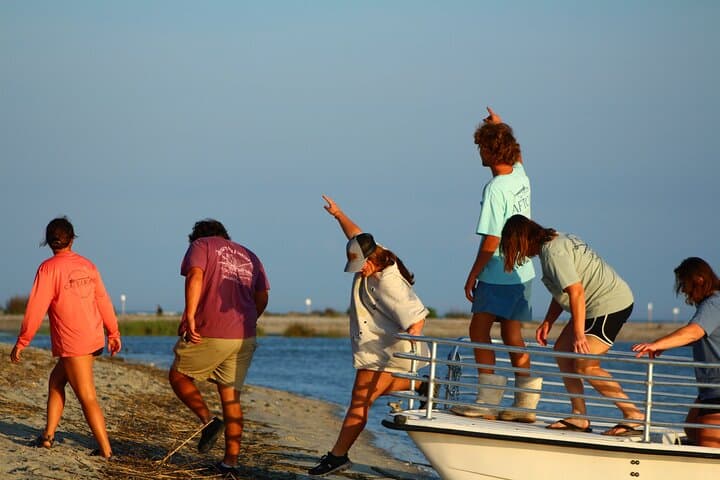
You’ll typically have about one hour ashore to explore, shell hunt, and view the lighthouse before reboarding.
No — the lighthouse is on federal property and not open for public access, but it’s visible from the beach and makes a great photo backdrop.
Yes — restrooms are at the departure location; there are no facilities on Morris Island itself during the visit.
Yes — the excursion is family-friendly; infants must sit on an adult’s lap and strollers can be accommodated until boarding.
Expect bottlenose dolphins, pelicans, and shorebirds like herons and terns along the estuary and island shorelines.
For a full refund cancel at least 24 hours before the scheduled departure; trips may be canceled for bad weather or insufficient passengers.
Morris Island’s current iron lighthouse dates to the late 19th century and long guided traffic into Charleston Harbor; the island itself has been reshaped repeatedly by storms and tides.
Barrier islands are dynamic and fragile — stick to beaches above the wrack line, avoid dunes, and carry out any trash to protect nesting birds and fragile habitats.
Castaway Island Excursions operates guided outdoor trips and adventures with an emphasis on safety, stewardship, and memorable experiences.
The engine hums low and steady as the skiff slips from the little yellow dock behind Crosby’s Fish & Shrimp, and the marsh exhales salt and green. Spartina grasses bend like a crowd watching you pass; pelicans tilt their heads and dare you to find their fishing holes. In 90 minutes of cruising through tidal creeks and estuary channels you move between two worlds — the inland marsh that feeds Charleston Harbor and the open sand of Morris Island, where the old lighthouse squints back toward the mainland.
The engine hums low and steady as the skiff slips from the little yellow dock behind Crosby’s Fish & Shrimp, and the marsh exhales salt and green. Spartina grasses bend like a crowd watching you pass; pelicans tilt their heads and dare you to find their fishing holes. In 90 minutes of cruising through tidal creeks and estuary channels you move between two worlds — the inland marsh that feeds Charleston Harbor and the open sand of Morris Island, where the old lighthouse squints back toward the mainland.
This trip is part natural-history lesson, part coastal day-out. The captain doubles as an eco-guide, narrating how the Cooper and Ashley rivers build the estuary, how tides carry shells across the shoals, and why barrier islands like Morris are always on the move. Morris Island’s lighthouse — the iron tower that has guarded approaches to Charleston since the 19th century — is visible from the beach and frames the horizon while you hunt whelks, look for lightning whelk casts, and scan the surf for bottlenose dolphins.
Geology and human history overlap here. The harbor’s long shoals are the result of sediment from the rivers and centuries of storms; fishermen, blockade runners, and Civil War skirmishes all left marks on these low coasts. Today the island’s primary role is ecological: nesting habitat for sea birds and a nursery for estuarine life. The guide will point out clapper rails in the grass and explain why certain spits are off-limits during nesting season.
Practicality shapes the pleasure. Boats are 27' Carolina skiffs with cushioned bench seating and an ice-filled cooler on board; restrooms and ample parking sit at the departure point. Expect roughly 2–3 hours total — about 90 minutes cruising round-trip and roughly an hour ashore on Morris. Wear sturdy sandals or water shoes for the soft, shifting sand; tide and wind rearrange the shoreline, so the safest place to land shifts day by day.
Bring sun protection, a refillable water bottle, and a light layer for wind off the water. If you’re prone to seasickness, take medication ahead of time; the tidal creeks can be calm but open water pushes the skiff differently. Respect wildlife: keep distance from dolphin pods and give nesting birds wide berth. The company asks you to check in 15 minutes early in their yellow office — they’ll check waivers and point you toward your captain.
Ultimately, this is a saltwater shortcut to Charleston’s coastal core: a close-up of estuary dynamics, an hour of island solitude, and the kind of wildlife encounters that make a short trip feel like a small expedition.