THE ADVENTURE COLLECTIVE® · Independent discovery and booking for outdoor travel

Walk Prague with Kafka in your ears: a 90–120 minute self-guided audio tour that places passages of his work in the streets that inspired them. Ideal for literature fans who want control over pace and the option to explore offline.
Walk Prague with Kafka in your ears: a 90–120 minute self-guided audio tour that places passages of his work in the streets that inspired them. Ideal for literature fans who want control over pace and the option to explore offline.
You step onto uneven cobbles, press play, and the city rearranges itself around Kafka’s sentences. Headphones isolate the voice; the streets supply the atmosphere—narrow alleys that once echoed horse hooves, the distant swell of the Vltava, and plazas where façades lean like silent witnesses. The audio tour pins passages of Kafka’s work to the exact corners that inspired them, so literature and place begin to speak to one another.
Verified experiences and guided adventures in the surrounding area.
Operated by VoiceMap Audio Tours · Prague, Prague
You step onto uneven cobbles, press play, and the city rearranges itself around Kafka’s sentences. Headphones isolate the voice; the streets supply the atmosphere—narrow alleys that once echoed horse hooves, the distant swell of the Vltava, and plazas where façades lean like silent witnesses. The audio tour pins passages of Kafka’s work to the exact corners that inspired them, so literature and place begin to speak to one another.
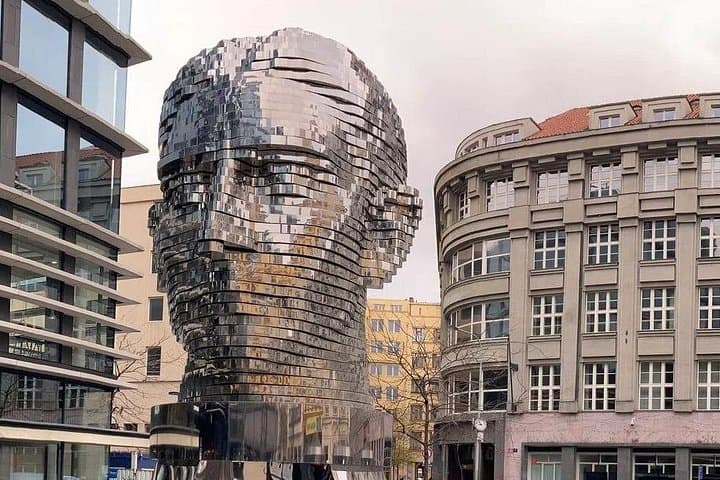
Prague’s Old Town and Josefov (the Jewish Quarter) carry layers of history: medieval market routes, Baroque and Gothic rebuilding after fires, and the 19th-century cultural shifts that shaped Kafka’s upbringing. Geologically, the city sits along Vltava river terraces carved into Central European bedrock, which helps explain the steep approaches and irregular pavement underfoot. Locally you’ll hear about Kafka’s fraught relationship with his family, his cafes, and public art—like David Černý’s rotating Kafka head—that keeps his presence visible in modern Prague.
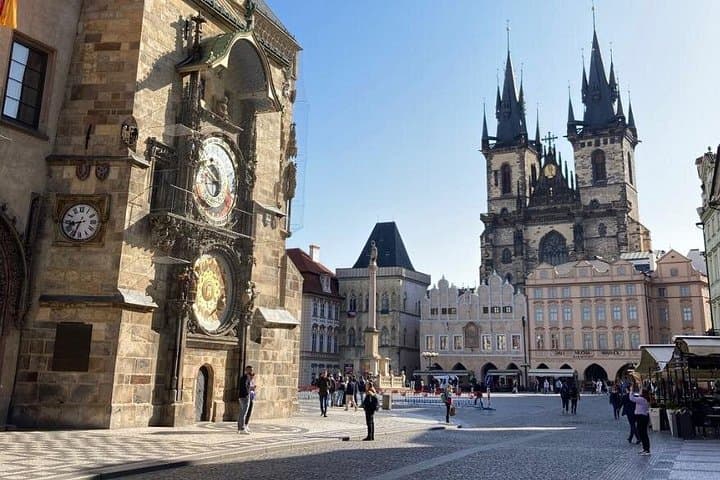
Practically, expect 90–120 minutes of slow walking with stops; surfaces are mostly paved or cobblestone with occasional steps. Bring comfortable shoes, fully charged phone and headphones, and download the audio for offline use. Start early to avoid tour-group clusters in the Old Town Square and allow time to linger at synagogues or the Small Square well mentioned in Kafka’s stories. The route is suitable for most fitness levels but watch for tram tracks and wet stones after rain. This self-guided format gives you control: pause, read, take a coffee, and let Kafka’s Prague unfold at your pace.
No—this is self-guided. You can start whenever the city and your schedule allow; the audio will trigger by GPS at each stop.
Yes—download the VoiceMap audio, maps, and geodata in advance to use without mobile data.
Parts of the Old Town have cobblestones and steps that make accessibility uneven; check specific stretches and consider assistance for strollers or wheelchairs.
The audio tour passes several sites; entrance to synagogues, the Kafka Museum, and other attractions may require separate tickets and opening-hours planning.
VoiceMap Audio Tours operates guided outdoor trips and adventures with an emphasis on safety, stewardship, and memorable experiences.
You step onto uneven cobbles, press play, and the city rearranges itself around Kafka’s sentences. Headphones isolate the voice; the streets supply the atmosphere—narrow alleys that once echoed horse hooves, the distant swell of the Vltava, and plazas where façades lean like silent witnesses. The audio tour pins passages of Kafka’s work to the exact corners that inspired them, so literature and place begin to speak to one another.
You step onto uneven cobbles, press play, and the city rearranges itself around Kafka’s sentences. Headphones isolate the voice; the streets supply the atmosphere—narrow alleys that once echoed horse hooves, the distant swell of the Vltava, and plazas where façades lean like silent witnesses. The audio tour pins passages of Kafka’s work to the exact corners that inspired them, so literature and place begin to speak to one another.
Prague’s Old Town and Josefov (the Jewish Quarter) carry layers of history: medieval market routes, Baroque and Gothic rebuilding after fires, and the 19th-century cultural shifts that shaped Kafka’s upbringing. Geologically, the city sits along Vltava river terraces carved into Central European bedrock, which helps explain the steep approaches and irregular pavement underfoot. Locally you’ll hear about Kafka’s fraught relationship with his family, his cafes, and public art—like David Černý’s rotating Kafka head—that keeps his presence visible in modern Prague.
Practically, expect 90–120 minutes of slow walking with stops; surfaces are mostly paved or cobblestone with occasional steps. Bring comfortable shoes, fully charged phone and headphones, and download the audio for offline use. Start early to avoid tour-group clusters in the Old Town Square and allow time to linger at synagogues or the Small Square well mentioned in Kafka’s stories. The route is suitable for most fitness levels but watch for tram tracks and wet stones after rain. This self-guided format gives you control: pause, read, take a coffee, and let Kafka’s Prague unfold at your pace.