THE ADVENTURE COLLECTIVE® · Independent discovery and booking for outdoor travel

Trace Tolkien’s daily routes through Oxford’s colleges, then step out to the wind-swept stones of Stonehenge. This private, full-day tour pairs literary history with prehistoric mystery for a compact cultural immersion.
Trace Tolkien’s daily routes through Oxford’s colleges, then step out to the wind-swept stones of Stonehenge. This private, full-day tour pairs literary history with prehistoric mystery for a compact cultural immersion.
Early in the morning the van slips out of London and the English landscape unfurls: river meadows, clipped hedgerows and the soft rise of the Cotswold escarpment. In Oxford, narrow streets funnel you toward colleges whose stones still hold the echo of tutorial debates; here visitors can stand where Tolkien wrote and where the Inklings argued through evenings over pints and drafts. The guide moves from blue plaques on Northmoor Road to the cloisters of Exeter, Pembroke and Merton, outlining how an academic life shaped mythic languages and mapped a private mythology.
Verified experiences and guided adventures in the surrounding area.
Operated by Londoner · Oxford, Oxfordshire
Early in the morning the van slips out of London and the English landscape unfurls: river meadows, clipped hedgerows and the soft rise of the Cotswold escarpment. In Oxford, narrow streets funnel you toward colleges whose stones still hold the echo of tutorial debates; here visitors can stand where Tolkien wrote and where the Inklings argued through evenings over pints and drafts. The guide moves from blue plaques on Northmoor Road to the cloisters of Exeter, Pembroke and Merton, outlining how an academic life shaped mythic languages and mapped a private mythology.
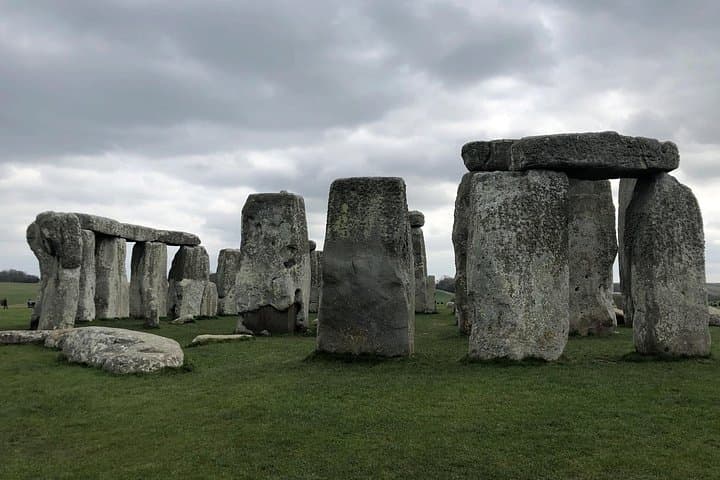
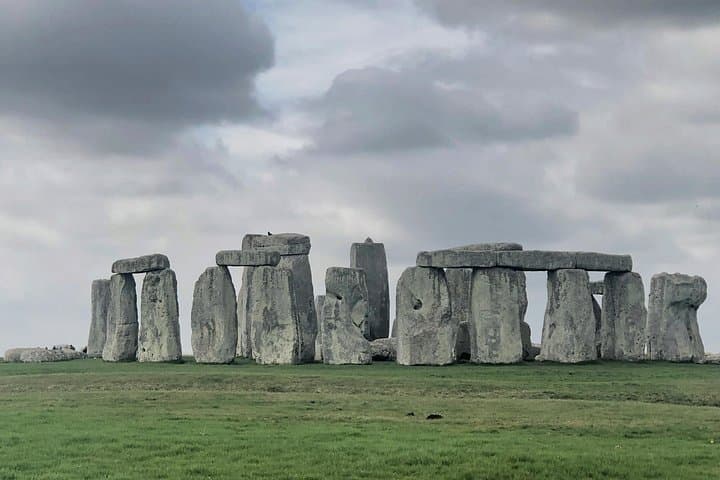
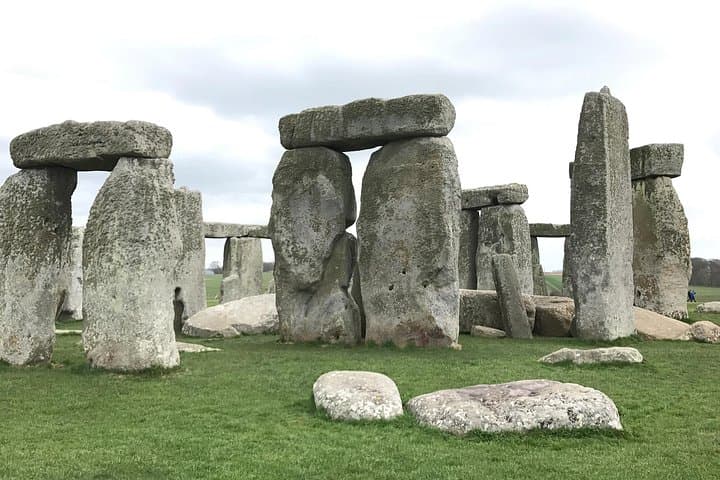
Then the scene shifts — the Salisbury Plain opens like a rehearsal space for Stonehenge. The sarsens and bluestones are older than written history, placed by people whose engineering still puzzles archaeologists; the stones catch the light and seem to test the sky. Between medieval college courts and Neolithic circles the tour threads English cultural history: university learning, printing houses, and prehistoric ritual landscapes.
Practical guidance is straightforward: expect a full day (about eight hours), comfortable walking on cobbles and short trails, and periods of standing at both the colleges and the Stonehenge visitor route. Bring a waterproof layer, sturdy shoes and an extra battery for your phone—photo opportunities are frequent and lighting shifts fast. Plan for luggage or mobility needs in advance; private transport eases connections to additional stops such as Bath or Blenheim Palace. The rhythm of this private tour pairs literary pilgrimage with an accessible archaeological highlight — efficient, informative, and paced for discovery.
moderate.
8 hours.
Moderate fitness for walking on uneven surfaces and standing during guided talks; suitable for most travelers who can manage urban steps and short countryside paths.
The private tour is approximately eight hours, covering Tolkien-related Oxford sites in the morning and driving to Stonehenge with about an hour at the monument and its visitor centre.
Stonehenge visitor centre access is typically included for viewing; college interior access depends on opening times and may be pass-by or external viewing—confirm specific inclusions when booking.
Yes, the operator offers add-on stops like the Cotswolds, Blenheim Palace, Salisbury or Bath—discuss options and extra time when booking.
The tour is family-friendly and transportation is wheelchair accessible, but some college courtyards and Stonehenge paths have uneven surfaces—advise the operator of any mobility requirements in advance.
Oxford’s colleges evolved over centuries from medieval halls to modern research institutions; Stonehenge dates to the Neolithic and Bronze Age and remains a focus of archaeological study and seasonal ritual.
Visitors are asked to stay on designated paths at Stonehenge to protect the turf and archaeological deposits; respect college rules and avoid touching historic fabric to preserve it for future visitors.
Londoner operates guided outdoor trips and adventures with an emphasis on safety, stewardship, and memorable experiences.
Early in the morning the van slips out of London and the English landscape unfurls: river meadows, clipped hedgerows and the soft rise of the Cotswold escarpment. In Oxford, narrow streets funnel you toward colleges whose stones still hold the echo of tutorial debates; here visitors can stand where Tolkien wrote and where the Inklings argued through evenings over pints and drafts. The guide moves from blue plaques on Northmoor Road to the cloisters of Exeter, Pembroke and Merton, outlining how an academic life shaped mythic languages and mapped a private mythology.
Early in the morning the van slips out of London and the English landscape unfurls: river meadows, clipped hedgerows and the soft rise of the Cotswold escarpment. In Oxford, narrow streets funnel you toward colleges whose stones still hold the echo of tutorial debates; here visitors can stand where Tolkien wrote and where the Inklings argued through evenings over pints and drafts. The guide moves from blue plaques on Northmoor Road to the cloisters of Exeter, Pembroke and Merton, outlining how an academic life shaped mythic languages and mapped a private mythology.
Then the scene shifts — the Salisbury Plain opens like a rehearsal space for Stonehenge. The sarsens and bluestones are older than written history, placed by people whose engineering still puzzles archaeologists; the stones catch the light and seem to test the sky. Between medieval college courts and Neolithic circles the tour threads English cultural history: university learning, printing houses, and prehistoric ritual landscapes.
Practical guidance is straightforward: expect a full day (about eight hours), comfortable walking on cobbles and short trails, and periods of standing at both the colleges and the Stonehenge visitor route. Bring a waterproof layer, sturdy shoes and an extra battery for your phone—photo opportunities are frequent and lighting shifts fast. Plan for luggage or mobility needs in advance; private transport eases connections to additional stops such as Bath or Blenheim Palace. The rhythm of this private tour pairs literary pilgrimage with an accessible archaeological highlight — efficient, informative, and paced for discovery.