THE ADVENTURE COLLECTIVE® · Independent discovery and booking for outdoor travel

Trace the money that shaped Oxford on a 90‑minute walking tour. Researchers guide you between donor‑funded sites, blending archival insight with street‑level observation and practical conversation about wealth, power and the city’s housing pressures.
Trace the money that shaped Oxford on a 90‑minute walking tour. Researchers guide you between donor‑funded sites, blending archival insight with street‑level observation and practical conversation about wealth, power and the city’s housing pressures.
The guide waits outside the Saïd Business School as a thin Thames breeze pushes past cyclists and students; voices ricochet off limestone facades and the cobbles underfoot remind you this city was built one donation at a time.
Verified experiences and guided adventures in the surrounding area.
Operated by Uncomfortable Oxford · Oxford, Oxfordshire
The guide waits outside the Saïd Business School as a thin Thames breeze pushes past cyclists and students; voices ricochet off limestone facades and the cobbles underfoot remind you this city was built one donation at a time.
Over ninety minutes the route threads past green squares, a Romanesque library, and the quiet garden that was once the Oxford Workhouse. Guides—researchers trained in Uncomfortable Oxford’s method—point to plaques and modern glass, asking how gifts from figures like Wafiq Said, Lord Nuffield, the Sacklers, Blavatnik and others have shaped the skyline and scholarship.
Oxford’s geology plays a subtle role: limestone colleges perch on older clays, and the Isis has long been a corridor for trade and ideas, both of which feed patterns of wealth. The tour places current debates—philanthropy, academic freedom, and housing pressures—into historical context, drawing lines from Victorian benefactors to 21st‑century mega‑donors.
Expect conversational walking: mostly flat, short hops between sites on mixed cobbles and paved paths. The experience balances archival detail with on‑the‑ground observation—where plaques exist and where they don’t. Guides encourage questions and quiet reflection rather than protests; photos are allowed but be discreet on private college grounds.
Practical notes: meet outside Saïd Business School, arrive 10 minutes early, and plan for unpredictable British weather. This is an accessible, reflective urban walk that turns familiar spires into a living case study of money, power and place—best for curious visitors aged 14 and up who want to see Oxford’s institutions under a clear, critical lens.
easy.
1.5 hours.
Suitable for anyone who can stand and walk for 90 minutes with brief pauses; not strenuous.
Meet outside the Saïd Business School in central Oxford; the tour runs approximately 90 minutes and covers several nearby donor‑funded sites.
Recommended for ages 14 and up due to complex themes; younger children may find the topics difficult to engage with.
The route is mostly on paved paths with some cobbles; it is listed as stroller accessible and generally suitable for those using mobility aids, but contact the operator if you have specific accessibility needs.
Photography for personal use is fine, but be respectful on private college grounds and ask the guide before audio or video recording, as discussions can be sensitive.
Oxford’s colleges grew with complex patronage: Victorian industrial wealth, philanthropic trusts and modern billionaire gifts have all shaped buildings, collections and academic priorities.
Stay on paths and avoid entering private college grounds without permission; use public transport to lower congestion and respect local residents struggling with housing pressures.
Uncomfortable Oxford operates guided outdoor trips and adventures with an emphasis on safety, stewardship, and memorable experiences.
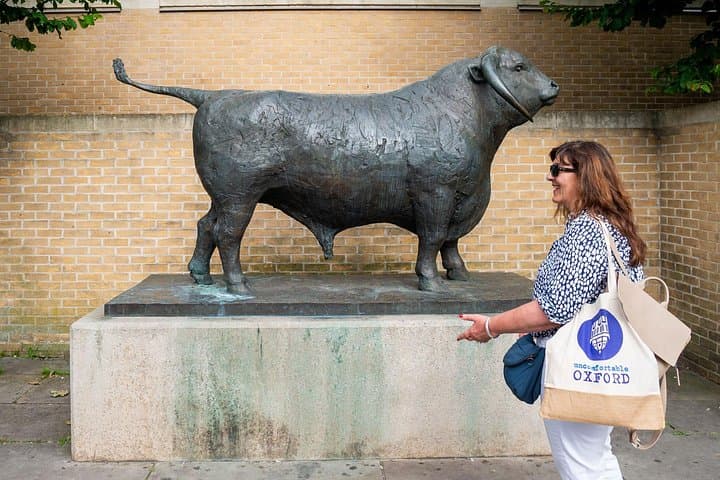
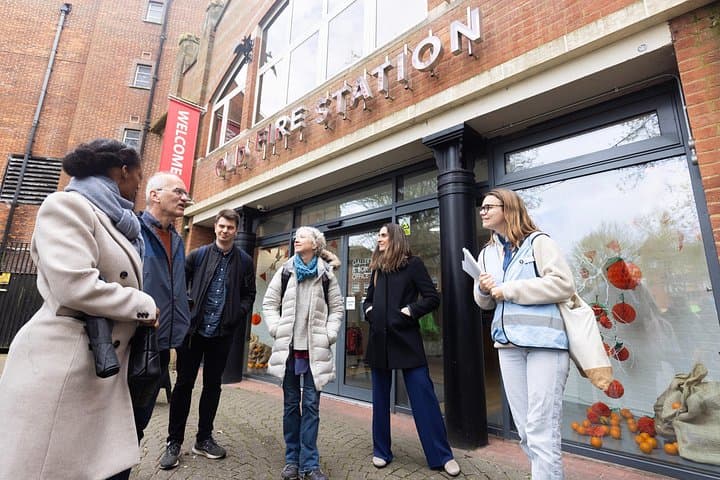
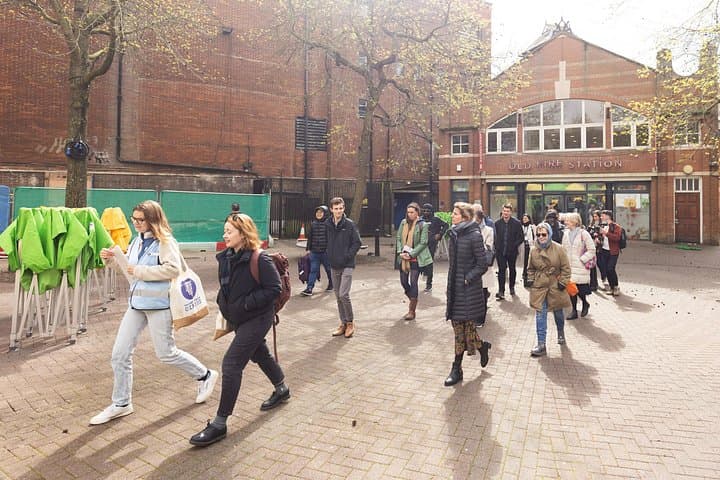
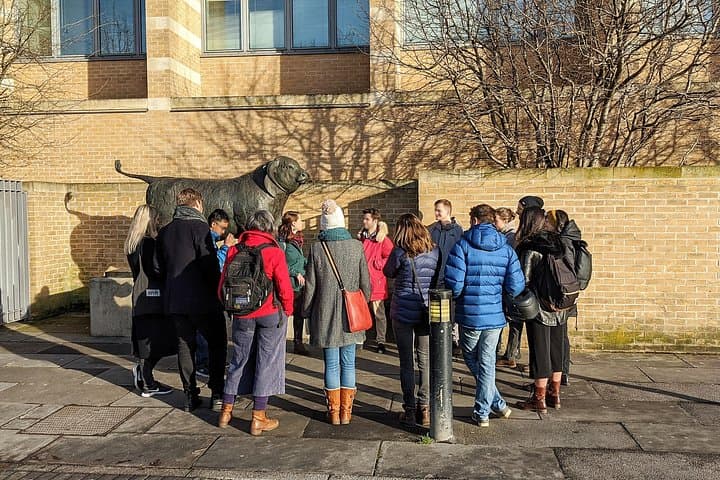
The guide waits outside the Saïd Business School as a thin Thames breeze pushes past cyclists and students; voices ricochet off limestone facades and the cobbles underfoot remind you this city was built one donation at a time.
The guide waits outside the Saïd Business School as a thin Thames breeze pushes past cyclists and students; voices ricochet off limestone facades and the cobbles underfoot remind you this city was built one donation at a time.
Over ninety minutes the route threads past green squares, a Romanesque library, and the quiet garden that was once the Oxford Workhouse. Guides—researchers trained in Uncomfortable Oxford’s method—point to plaques and modern glass, asking how gifts from figures like Wafiq Said, Lord Nuffield, the Sacklers, Blavatnik and others have shaped the skyline and scholarship.
Oxford’s geology plays a subtle role: limestone colleges perch on older clays, and the Isis has long been a corridor for trade and ideas, both of which feed patterns of wealth. The tour places current debates—philanthropy, academic freedom, and housing pressures—into historical context, drawing lines from Victorian benefactors to 21st‑century mega‑donors.
Expect conversational walking: mostly flat, short hops between sites on mixed cobbles and paved paths. The experience balances archival detail with on‑the‑ground observation—where plaques exist and where they don’t. Guides encourage questions and quiet reflection rather than protests; photos are allowed but be discreet on private college grounds.
Practical notes: meet outside Saïd Business School, arrive 10 minutes early, and plan for unpredictable British weather. This is an accessible, reflective urban walk that turns familiar spires into a living case study of money, power and place—best for curious visitors aged 14 and up who want to see Oxford’s institutions under a clear, critical lens.