THE ADVENTURE COLLECTIVE® · Independent discovery and booking for outdoor travel

Step from ship to shore and trace Claude Monet’s light through Giverny’s gardens before wandering Rouen’s medieval quarter. This private day tour combines art history, curated gardens, and relaxed transport timed for cruise itineraries.
Step from ship to shore and trace Claude Monet’s light through Giverny’s gardens before wandering Rouen’s medieval quarter. This private day tour combines art history, curated gardens, and relaxed transport timed for cruise itineraries.
You step off the pier and the sea air still hangs on your jacket as a discreet sign with your name guides you into a comfortable, air-conditioned vehicle. The road folds inland and, within an hour and a half, the Seine relaxes into riverine curves and Giverny’s willow-lined lanes appear — Monet’s water garden waiting like a painted stage.
Verified experiences and guided adventures in the surrounding area.
Operated by Y GO SHUTTLE · Giverny, Normandy
You step off the pier and the sea air still hangs on your jacket as a discreet sign with your name guides you into a comfortable, air-conditioned vehicle. The road folds inland and, within an hour and a half, the Seine relaxes into riverine curves and Giverny’s willow-lined lanes appear — Monet’s water garden waiting like a painted stage.
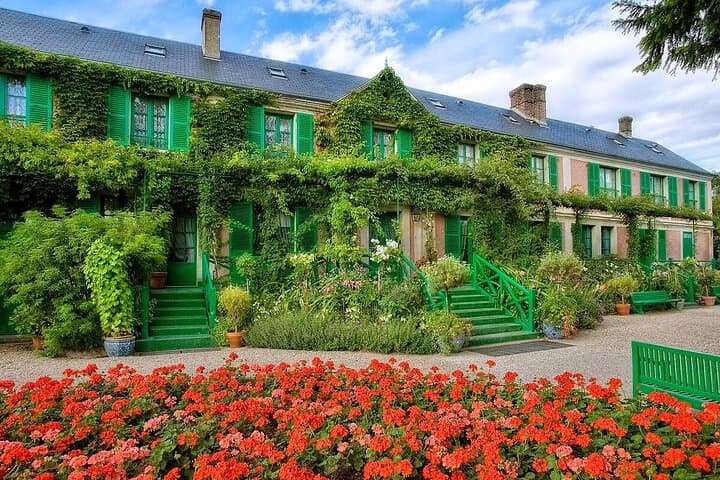
Monet moved to Giverny in 1883; the house and gardens he cultivated became open-air studios where light and reflection shaped modern impressionism. Geologically this corner of Normandy is gentle chalk and flint country, carved by the Seine and shaped by centuries of farming; Rouen, an hour away, grew from a Roman river crossing into a medieval capital whose cathedral facades Monet famously captured in changing light.
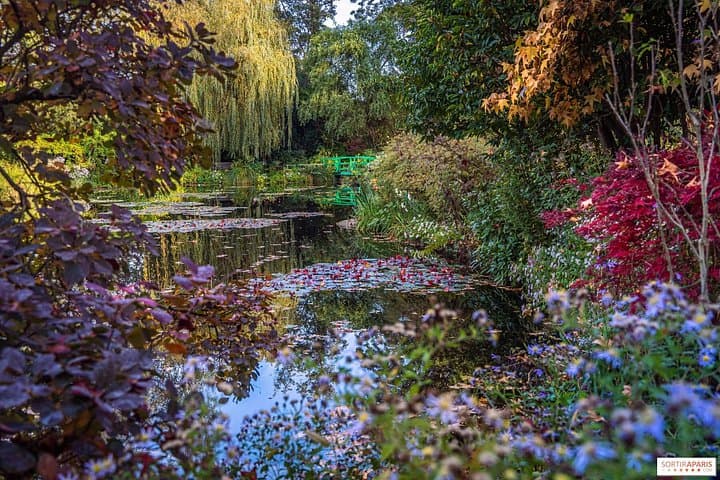
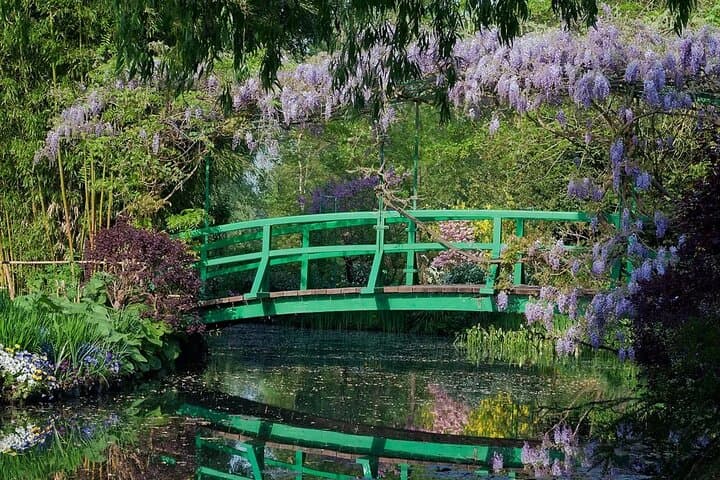
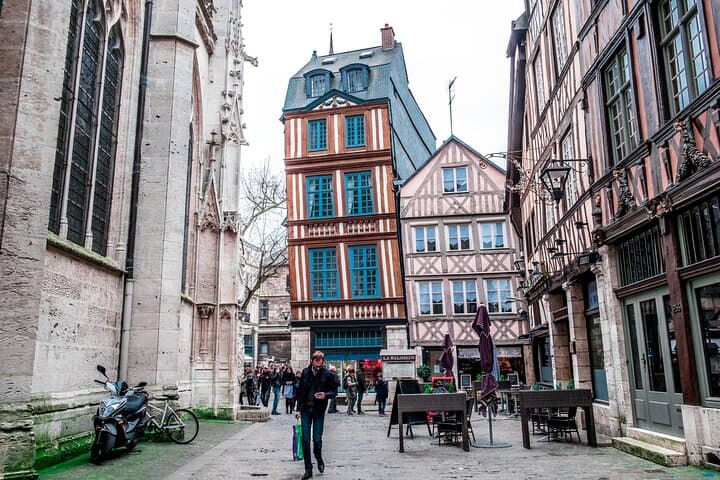
Culturally, expect village hospitality: cafés serving cider and buckwheat crêpes near the house, and Rouen’s timbered streets where Joan of Arc’s history touches the present. The gardens are curated landscapes — paths, ponds, the Japanese bridge — that almost move the brushstroke into three dimensions. The Seine will feel like a patient companion, pushing you forward between sites.
Practical guidance: tickets to Monet’s house are included, but peak-season queues and narrow garden paths reward an early start. Allow 8–10 hours for comfortable pacing, bring layered clothing for coastal wind shifts, and plan lunch in the village or a Rouen brasserie. Mobility-friendly transport and real-time cruise monitoring simplify logistics; wear comfortable shoes for cobbled streets and reserve energy for a late-afternoon climb around Rouen’s cathedral square.
easy.
8–10 hours.
Generally suitable for most fitness levels; requires moderate walking (up to 3–5 miles/5–8 km) and standing in museum/garden areas.
Yes — pick-up and return to Le Havre or Honfleur cruise terminals are included, with real-time monitoring of ship arrival and departure.
Entrance tickets to Claude Monet’s house and gardens are included in the booking.
The tour is private and flexible; the operator can adapt the schedule within the 8–10 hour window to suit your interests.
The service and many surfaces are wheelchair accessible, but garden pathways can be narrow and slightly uneven; check specific accessibility needs with the operator beforehand.
Giverny became Monet’s home in 1883; his garden was intentionally designed as a living palette. Rouen rose to prominence in the Middle Ages and its cathedral series helped Monet study light across time.
Monet’s gardens are actively managed to balance visitor access with plant preservation; visitors are asked to stay on paths and follow seasonal regulations to protect fragile beds.
Y GO SHUTTLE operates guided outdoor trips and adventures with an emphasis on safety, stewardship, and memorable experiences.
You step off the pier and the sea air still hangs on your jacket as a discreet sign with your name guides you into a comfortable, air-conditioned vehicle. The road folds inland and, within an hour and a half, the Seine relaxes into riverine curves and Giverny’s willow-lined lanes appear — Monet’s water garden waiting like a painted stage.
You step off the pier and the sea air still hangs on your jacket as a discreet sign with your name guides you into a comfortable, air-conditioned vehicle. The road folds inland and, within an hour and a half, the Seine relaxes into riverine curves and Giverny’s willow-lined lanes appear — Monet’s water garden waiting like a painted stage.
Monet moved to Giverny in 1883; the house and gardens he cultivated became open-air studios where light and reflection shaped modern impressionism. Geologically this corner of Normandy is gentle chalk and flint country, carved by the Seine and shaped by centuries of farming; Rouen, an hour away, grew from a Roman river crossing into a medieval capital whose cathedral facades Monet famously captured in changing light.
Culturally, expect village hospitality: cafés serving cider and buckwheat crêpes near the house, and Rouen’s timbered streets where Joan of Arc’s history touches the present. The gardens are curated landscapes — paths, ponds, the Japanese bridge — that almost move the brushstroke into three dimensions. The Seine will feel like a patient companion, pushing you forward between sites.
Practical guidance: tickets to Monet’s house are included, but peak-season queues and narrow garden paths reward an early start. Allow 8–10 hours for comfortable pacing, bring layered clothing for coastal wind shifts, and plan lunch in the village or a Rouen brasserie. Mobility-friendly transport and real-time cruise monitoring simplify logistics; wear comfortable shoes for cobbled streets and reserve energy for a late-afternoon climb around Rouen’s cathedral square.