THE ADVENTURE COLLECTIVE® · Independent discovery and booking for outdoor travel

Step into a glass ring of controlled wind at FlyStation Munich and feel the lift of freefall without leaving the ground. This concise guide explains what to expect, how to prepare, and why the 4.5‑meter tunnel is an ideal introduction to bodyflying.
Step into a glass ring of controlled wind at FlyStation Munich and feel the lift of freefall without leaving the ground. This concise guide explains what to expect, how to prepare, and why the 4.5‑meter tunnel is an ideal introduction to bodyflying.
The moment you enter FlyStation Munich the air hums with possibility — a controlled column of wind standing like a vertical river, daring you to step into its current. Two levels of glass ring the 4.5‑meter flight chamber, so friends watch like dockside spectators as instructors float and flip in slow, precise arcs. The briefing room smells of rubber flight suits and varnished equipment; the instructor’s voice is matter‑of‑fact, focused on posture, hand shapes and a safe exit.
Verified experiences and guided adventures in the surrounding area.
Operated by Flystation Munich · Neufahrn bei Freising, Bavaria
The moment you enter FlyStation Munich the air hums with possibility — a controlled column of wind standing like a vertical river, daring you to step into its current. Two levels of glass ring the 4.5‑meter flight chamber, so friends watch like dockside spectators as instructors float and flip in slow, precise arcs. The briefing room smells of rubber flight suits and varnished equipment; the instructor’s voice is matter‑of‑fact, focused on posture, hand shapes and a safe exit.
Wind tunnels trace modern aviation’s experimental arc: from military testing rigs to recreational centers that brought freefall sensations to cities. FlyStation sits on the edge of Neufahrn bei Freising, a short drive north of Munich and the airport, where Bavarian practicality mixes with a steady trickle of travelers and local adrenaline seekers. Culture here favors efficiency — arrive prepared, listen closely, and you’ll be airborne in minutes.
Practically, expect a 20‑minute briefing, 90 minutes of facility time, and one or more flights totaling the equivalent of several skydives in freefall seconds. Suits, helmets, goggles and ear protection are provided; instructors guide entry and exit and perform a demonstration show when flights conclude. The center is wheelchair accessible and family‑friendly, though not recommended for pregnant guests or those with recent shoulder dislocations.
For first‑timers: arrive one hour before your slot to check paperwork, wear comfortable athletic clothing and closed shoes, and budget two hours for the full visit. Public transport access makes it easy to pair the experience with a visit to nearby Freising’s Domberg or the Munich Airport Visitor Park. The activity delivers the visceral lift of skydiving without the jump — wind doing the heavy work while you learn to fly.
easy.
1.5–2 hours (allow 2 hours total).
Suitable for most fitness levels; you should be able to stand, follow instruction, and brace with your legs.
No — instructors provide a full briefing and hands‑on guidance; the activity is designed for beginners.
Minors can fly but must be accompanied by a parent or guardian; age and weight limits are set by the facility — check during booking.
Yes — the facility typically offers photos and video for purchase after your session if available.
Full refunds are usually available if you cancel at least 24 hours before your scheduled time; confirm details at booking.
Neufahrn grew as a market and transport node north of Munich; its proximity to Munich Airport has shaped local services and visitor attractions.
Indoor wind tunnels concentrate impact indoors; reduce your trip’s footprint by using public transport and supporting centers that follow equipment reuse and local noise regulations.
Flystation Munich operates guided outdoor trips and adventures with an emphasis on safety, stewardship, and memorable experiences.
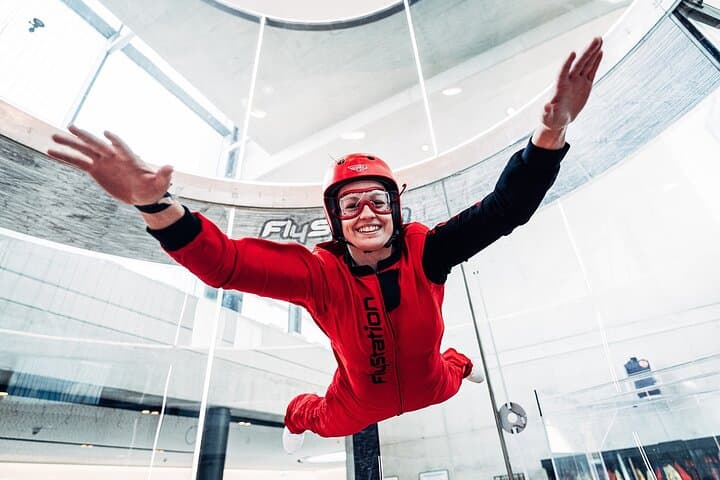
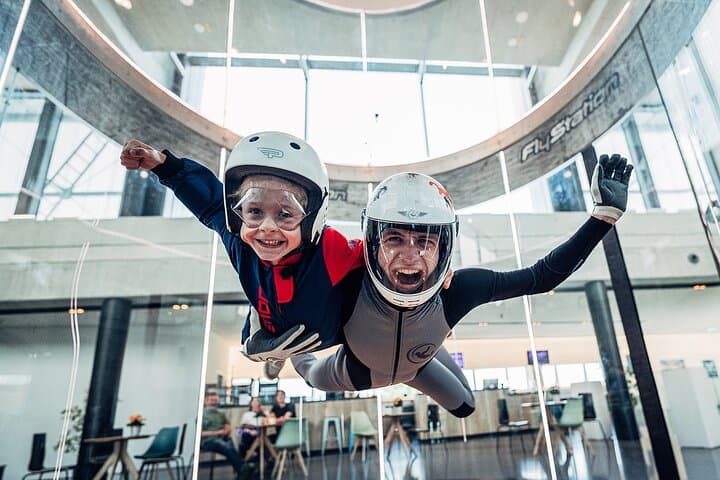
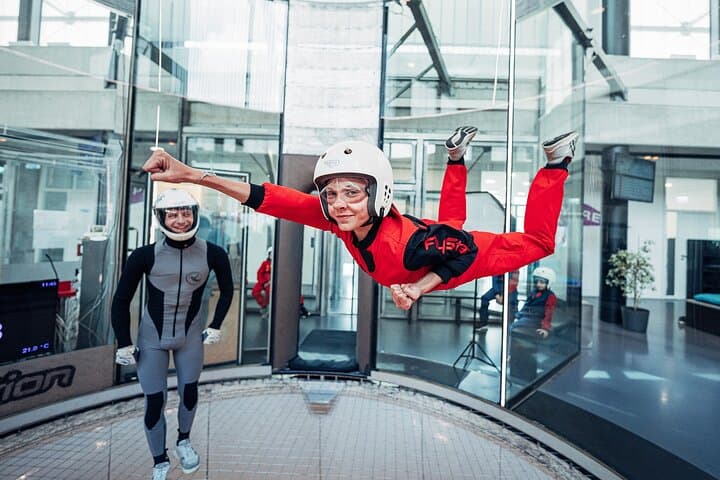
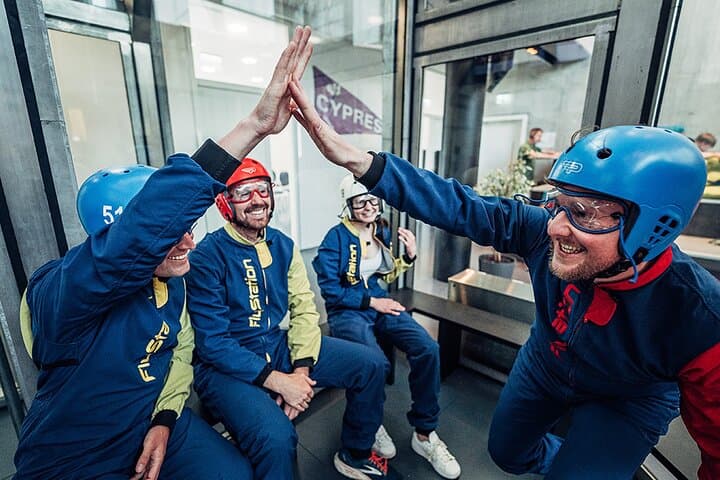
The moment you enter FlyStation Munich the air hums with possibility — a controlled column of wind standing like a vertical river, daring you to step into its current. Two levels of glass ring the 4.5‑meter flight chamber, so friends watch like dockside spectators as instructors float and flip in slow, precise arcs. The briefing room smells of rubber flight suits and varnished equipment; the instructor’s voice is matter‑of‑fact, focused on posture, hand shapes and a safe exit.
The moment you enter FlyStation Munich the air hums with possibility — a controlled column of wind standing like a vertical river, daring you to step into its current. Two levels of glass ring the 4.5‑meter flight chamber, so friends watch like dockside spectators as instructors float and flip in slow, precise arcs. The briefing room smells of rubber flight suits and varnished equipment; the instructor’s voice is matter‑of‑fact, focused on posture, hand shapes and a safe exit.
Wind tunnels trace modern aviation’s experimental arc: from military testing rigs to recreational centers that brought freefall sensations to cities. FlyStation sits on the edge of Neufahrn bei Freising, a short drive north of Munich and the airport, where Bavarian practicality mixes with a steady trickle of travelers and local adrenaline seekers. Culture here favors efficiency — arrive prepared, listen closely, and you’ll be airborne in minutes.
Practically, expect a 20‑minute briefing, 90 minutes of facility time, and one or more flights totaling the equivalent of several skydives in freefall seconds. Suits, helmets, goggles and ear protection are provided; instructors guide entry and exit and perform a demonstration show when flights conclude. The center is wheelchair accessible and family‑friendly, though not recommended for pregnant guests or those with recent shoulder dislocations.
For first‑timers: arrive one hour before your slot to check paperwork, wear comfortable athletic clothing and closed shoes, and budget two hours for the full visit. Public transport access makes it easy to pair the experience with a visit to nearby Freising’s Domberg or the Munich Airport Visitor Park. The activity delivers the visceral lift of skydiving without the jump — wind doing the heavy work while you learn to fly.