THE ADVENTURE COLLECTIVE® · Independent discovery and booking for outdoor travel

Lift off from Dinner Key Marina and hover above Biscayne Bay: a 20‑minute flyboard session pairs a short technical briefing with hands‑on instruction, making it accessible for most travelers. Expect wet suits optional, sun exposure, and weather‑dependent scheduling.
Lift off from Dinner Key Marina and hover above Biscayne Bay: a 20‑minute flyboard session pairs a short technical briefing with hands‑on instruction, making it accessible for most travelers. Expect wet suits optional, sun exposure, and weather‑dependent scheduling.
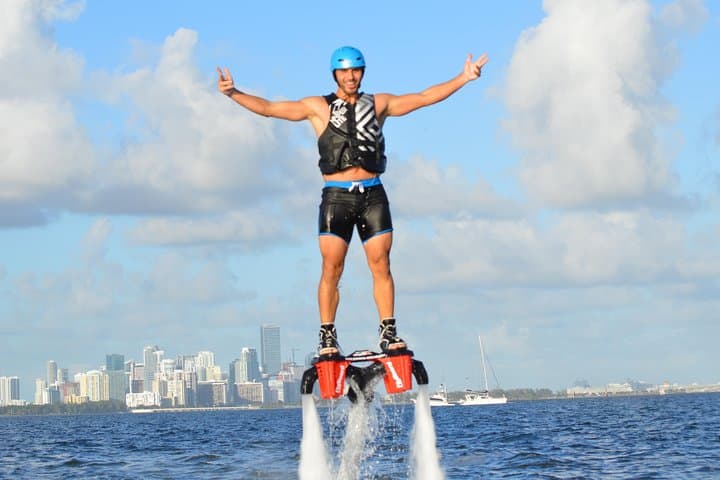
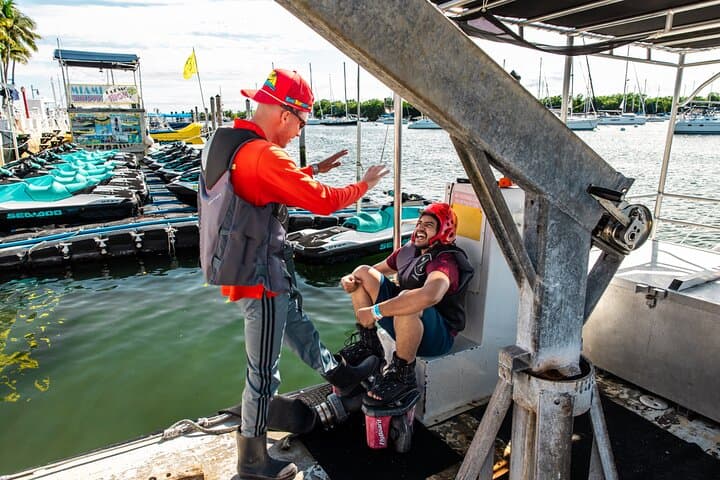
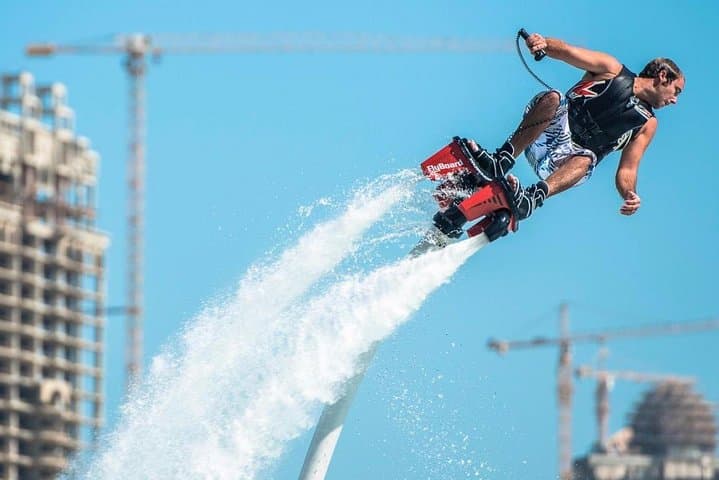
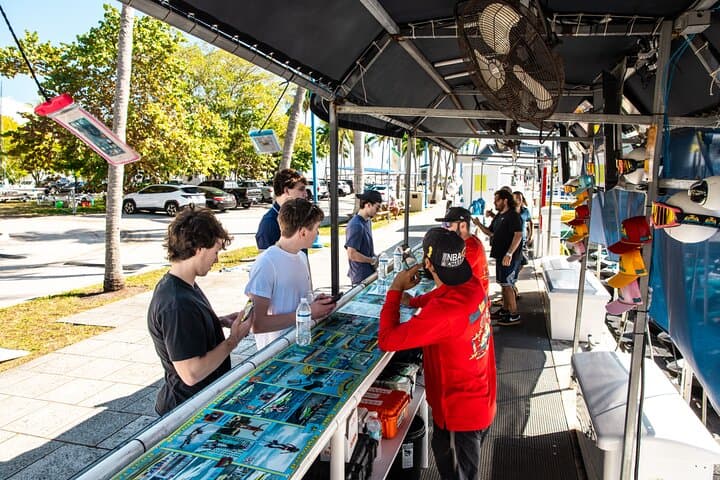
The first lift comes with a spray of bay water and a sudden new line of sight across Biscayne Bay. At Dinner Key Marina, a yellow flag marks the pier where instructors brief participants, then hand over the throttle that ties a rider to a high‑pressure hose and a jet of water. The board bites the surface, the jet lifts, and the pilot’s role shifts from propulsion to balance — the bay pushes and teases, daring you to hover.
Verified experiences and guided adventures in the surrounding area.
Operated by Miami Watersports · Coconut Grove, Florida
The first lift comes with a spray of bay water and a sudden new line of sight across Biscayne Bay. At Dinner Key Marina, a yellow flag marks the pier where instructors brief participants, then hand over the throttle that ties a rider to a high‑pressure hose and a jet of water. The board bites the surface, the jet lifts, and the pilot’s role shifts from propulsion to balance — the bay pushes and teases, daring you to hover.
Flyboarding is a recent addition to Miami’s active‑sports scene, born from personal watercraft innovations in the early 2000s. The flat coral shelf of Biscayne Bay and shallow sandbars make this stretch of coast predictable for training, while the city’s maritime culture — from historic Coconut Grove boatyards to offshore racing — adds a practical, seafaring tone to the experience.
Participants will find a compact, focused lesson: safety brief, harnessing, tethered practice, then 20 minutes of guided flight. Sessions emphasize core balance, body posture and clear hand signals with the instructor; English comprehension is required for safety briefings. Weather matters — wind, squalls, or heavy chop will halt operations — but otherwise the activity suits a wide range of fitness levels.
Practical guidance: arrive with swimwear and a government ID, hydrate beforehand, and schedule morning or late‑afternoon slots to avoid peak sun and boat traffic. Expect a quick learning curve, wet clothing, and a memorable vantage point where the water feels alive under your feet.
moderate.
45 minutes (20 minutes in the water).
Comfortable with short bursts of balance and swimming; no elite fitness required but basic core strength helps.
Yes—participants should be comfortable in deep water and able to tread or swim briefly if they separate from the board.
Participants must be at least 9 years old; the maximum weight limit is 250 lbs (113 kg).
Sessions are delayed or cancelled in heavy wind, storms, or unsafe sea conditions; vouchers or rescheduling are provided when the operator cancels.
Yes—operators provide a short briefing and hands‑on in‑water instruction before the timed flying session; English comprehension is required for safety instructions.
Dinner Key and Coconut Grove evolved from 19th‑century maritime yards into a 20th‑century seaplane base and yacht community, shaping the area’s long relationship with water sports and boating.
Operators encourage reef‑safe sunscreen and minimal‑contact wildlife viewing; follow instructor guidance to avoid sensitive shallow‑water habitats.
Miami Watersports operates guided outdoor trips and adventures with an emphasis on safety, stewardship, and memorable experiences.
The first lift comes with a spray of bay water and a sudden new line of sight across Biscayne Bay. At Dinner Key Marina, a yellow flag marks the pier where instructors brief participants, then hand over the throttle that ties a rider to a high‑pressure hose and a jet of water. The board bites the surface, the jet lifts, and the pilot’s role shifts from propulsion to balance — the bay pushes and teases, daring you to hover.
The first lift comes with a spray of bay water and a sudden new line of sight across Biscayne Bay. At Dinner Key Marina, a yellow flag marks the pier where instructors brief participants, then hand over the throttle that ties a rider to a high‑pressure hose and a jet of water. The board bites the surface, the jet lifts, and the pilot’s role shifts from propulsion to balance — the bay pushes and teases, daring you to hover.
Flyboarding is a recent addition to Miami’s active‑sports scene, born from personal watercraft innovations in the early 2000s. The flat coral shelf of Biscayne Bay and shallow sandbars make this stretch of coast predictable for training, while the city’s maritime culture — from historic Coconut Grove boatyards to offshore racing — adds a practical, seafaring tone to the experience.
Participants will find a compact, focused lesson: safety brief, harnessing, tethered practice, then 20 minutes of guided flight. Sessions emphasize core balance, body posture and clear hand signals with the instructor; English comprehension is required for safety briefings. Weather matters — wind, squalls, or heavy chop will halt operations — but otherwise the activity suits a wide range of fitness levels.
Practical guidance: arrive with swimwear and a government ID, hydrate beforehand, and schedule morning or late‑afternoon slots to avoid peak sun and boat traffic. Expect a quick learning curve, wet clothing, and a memorable vantage point where the water feels alive under your feet.