THE ADVENTURE COLLECTIVE® · Independent discovery and booking for outdoor travel

See Mendoza’s patchwork of vineyards and the snow-capped Andes from a small airplane. This private aerial tour gives a 40-minute bird’s-eye view of wine country, irrigation networks, and landmark bodegas—ideal for photographers and wine travelers.
See Mendoza’s patchwork of vineyards and the snow-capped Andes from a small airplane. This private aerial tour gives a 40-minute bird’s-eye view of wine country, irrigation networks, and landmark bodegas—ideal for photographers and wine travelers.
Sunlight slides across rows of grapevines as a small aircraft lifts you above Mendoza’s grid of canals and parcels, the Andes tightening the horizon into a line of white peaks. From the window, irrigation channels glitter like veins, wineries cluster into neighborhoods, and the city’s avenue plan resolves into a clear pattern—a human landscape measured against mountain geology.
Verified experiences and guided adventures in the surrounding area.
Operated by Trout Wine Tours · Mendoza, Mendoza Province
Sunlight slides across rows of grapevines as a small aircraft lifts you above Mendoza’s grid of canals and parcels, the Andes tightening the horizon into a line of white peaks. From the window, irrigation channels glitter like veins, wineries cluster into neighborhoods, and the city’s avenue plan resolves into a clear pattern—a human landscape measured against mountain geology.
Mendoza’s viticultural pattern owes itself to 19th-century irrigation systems introduced by Spanish settlers and later expanded by Italian and Chilean winemakers. Volcanic soils, alluvial fans, and the rain shadow cast by the Andes create the dry, sun-rich conditions Malbecs favor. Cultural threads—family bodegas, estancias, and harvest rhythms—are visible even from above: tractors moving, workers between rows, tasting rooms as pale rectangles.
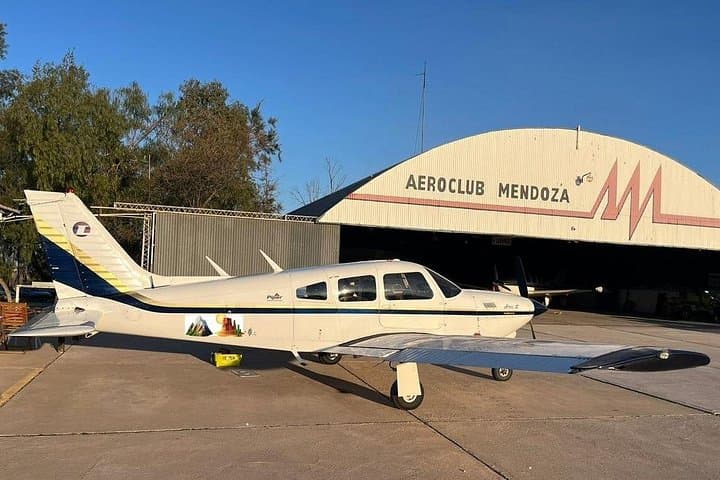
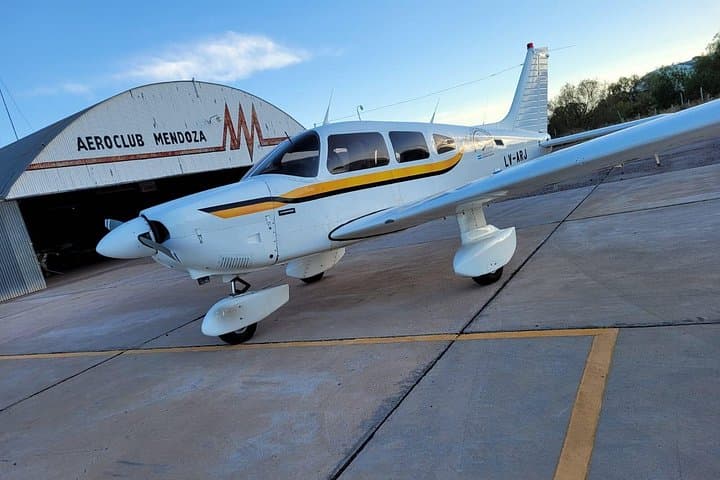
Practically, expect a private, roughly 40‑minute flight within a two‑hour window that includes transfers and preflight briefing. Weather matters—clear mornings and late afternoons offer the best visibility and softer light for photos. Noise and vibration are part of the experience; motion-sickness precautions help. Pilots often point out landmark wineries in Luján de Cuyo and Maipú and skirt the lower flanks of the Andes to give you a sense of how the mountain glaciers and river systems shaped the valley.
Bring a neck strap for your camera, layer up against mountain chill at altitude, and book morning slots for calmer air. The flight is low-impact sightseeing but high on perspective: it reorders how the valley reads, turning parcels into patterns and vineyards into a living map of Mendoza’s wine culture.
easy.
2 hours.
Low—suitable for travelers who can board a small aircraft and sit for the duration
The airborne segment is about 40 minutes; the full activity including transfers and briefing is roughly two hours.
Most operators allow passengers in normal health; disclose any mobility, pregnancy, or medical concerns at booking and during check-in.
Yes—photography is encouraged. Use a neck strap and avoid opening cabin doors mid‑flight; follow pilot instructions.
Operators typically cancel for poor visibility or strong winds; bookings often allow a full refund or rescheduling if canceled for weather.
Mendoza’s wine economy expanded in the 19th century with irrigation systems that converted arid plains into productive vineyards, driven by European immigrant families.
Water is a scarce resource in the region; responsible tourism supports wineries with sustainable irrigation practices and avoids adding pressure through excessive flights or ground traffic.
Trout Wine Tours operates guided outdoor trips and adventures with an emphasis on safety, stewardship, and memorable experiences.
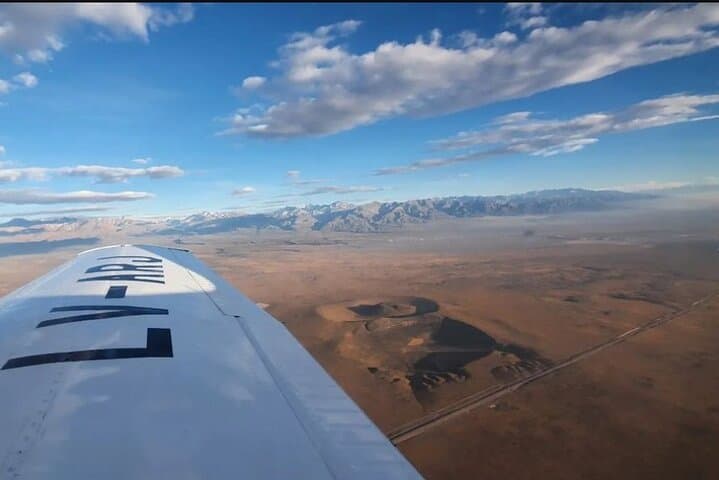
Sunlight slides across rows of grapevines as a small aircraft lifts you above Mendoza’s grid of canals and parcels, the Andes tightening the horizon into a line of white peaks. From the window, irrigation channels glitter like veins, wineries cluster into neighborhoods, and the city’s avenue plan resolves into a clear pattern—a human landscape measured against mountain geology.
Sunlight slides across rows of grapevines as a small aircraft lifts you above Mendoza’s grid of canals and parcels, the Andes tightening the horizon into a line of white peaks. From the window, irrigation channels glitter like veins, wineries cluster into neighborhoods, and the city’s avenue plan resolves into a clear pattern—a human landscape measured against mountain geology.
Mendoza’s viticultural pattern owes itself to 19th-century irrigation systems introduced by Spanish settlers and later expanded by Italian and Chilean winemakers. Volcanic soils, alluvial fans, and the rain shadow cast by the Andes create the dry, sun-rich conditions Malbecs favor. Cultural threads—family bodegas, estancias, and harvest rhythms—are visible even from above: tractors moving, workers between rows, tasting rooms as pale rectangles.
Practically, expect a private, roughly 40‑minute flight within a two‑hour window that includes transfers and preflight briefing. Weather matters—clear mornings and late afternoons offer the best visibility and softer light for photos. Noise and vibration are part of the experience; motion-sickness precautions help. Pilots often point out landmark wineries in Luján de Cuyo and Maipú and skirt the lower flanks of the Andes to give you a sense of how the mountain glaciers and river systems shaped the valley.
Bring a neck strap for your camera, layer up against mountain chill at altitude, and book morning slots for calmer air. The flight is low-impact sightseeing but high on perspective: it reorders how the valley reads, turning parcels into patterns and vineyards into a living map of Mendoza’s wine culture.