THE ADVENTURE COLLECTIVE® · Independent discovery and booking for outdoor travel

Fly into the Seronera heart of the Serengeti for three days of guided game drives and a crater descent into Ngorongoro. Expect early starts, private guiding, tented-camp nights, and prime wildlife viewing.
Fly into the Seronera heart of the Serengeti for three days of guided game drives and a crater descent into Ngorongoro. Expect early starts, private guiding, tented-camp nights, and prime wildlife viewing.
A low morning sun slices the grasslands as a light aircraft drops you onto the Seronera airstrip; the smell of dust and crushed grass rises and the plains seem to lean forward, alive with movement. On Day One a private guide meets you and the first game drive begins—lions stretch on kopjes, herds track the horizon, and vultures wheel overhead like weather vanes. The Serengeti’s geology is plain and purposeful: open volcanic soils, ancient erosion plains, and scattered granite kopjes that funnel wildlife and create predictable viewing corridors.
Verified experiences and guided adventures in the surrounding area.
Operated by Edge Crest Tours · Seronera, Mara Region
A low morning sun slices the grasslands as a light aircraft drops you onto the Seronera airstrip; the smell of dust and crushed grass rises and the plains seem to lean forward, alive with movement. On Day One a private guide meets you and the first game drive begins—lions stretch on kopjes, herds track the horizon, and vultures wheel overhead like weather vanes. The Serengeti’s geology is plain and purposeful: open volcanic soils, ancient erosion plains, and scattered granite kopjes that funnel wildlife and create predictable viewing corridors.
Historically the Serengeti and Ngorongoro sit on routes used by pastoral Maasai and earlier hominid sites; Olduvai Gorge to the east records human origins while Ngorongoro’s crater is a collapsed volcanic caldera, its rim rising dramatically to contain a dense, almost theatrical ecosystem.
Culturally, encounters are guided and respectful—many lodges and camps employ local Maasai and use community conservancies to balance tourism and grazing. Practical things matter here: light aircraft impose strict luggage limits, game drives start early or late to match predator activity, and road surfaces inside parks are rough.
Prepare for early wake-ups, long hours in a safari vehicle, and close wildlife viewing. Bring layered sun protection, a good pair of binoculars and a camera with a telephoto lens, and a small daypack for water and essentials. Guides handle navigation and permits; your job is to stay alert, hydrated, and camera-ready. End each night in a tented camp where the bush’s sounds become the room’s soundtrack—stark, immediate, and unmistakably real.
moderate.
3 days.
Moderate fitness; able to board small aircraft, spend long periods seated in an open 4x4 and walk short uneven paths at camps or viewpoints.
Most light-charter flights enforce small baggage limits (often 10–20 kg) and require soft bags; confirm exact allowances with the operator before packing.
Some elements are wheelchair accessible per operator notes, but game vehicles and uneven camp terrain can be challenging—discuss specific needs when booking.
Yellow fever vaccination may be required depending on origin; malaria prophylaxis and routine vaccinations are recommended—check with a travel clinic well before travel.
No—the balloon safari is an optional extra on day two and requires advance booking and an additional fee.
Ngorongoro formed when a giant volcanic cone collapsed roughly two to three million years ago; the region also borders Olduvai Gorge, central to paleoanthropology.
Conservation here balances tourism revenue with community land-use agreements; stick to park rules to minimize disturbance and support local conservancies.
Edge Crest Tours operates guided outdoor trips and adventures with an emphasis on safety, stewardship, and memorable experiences.
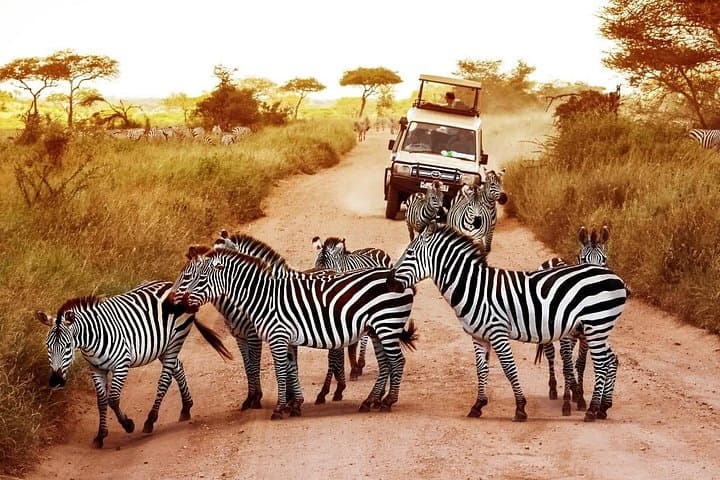
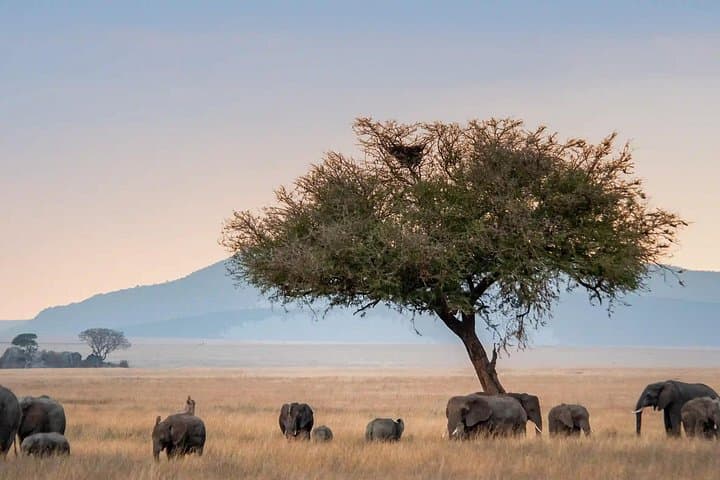
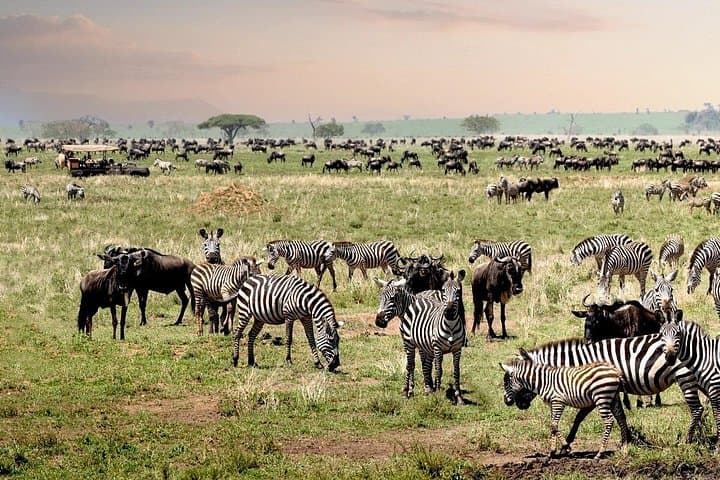
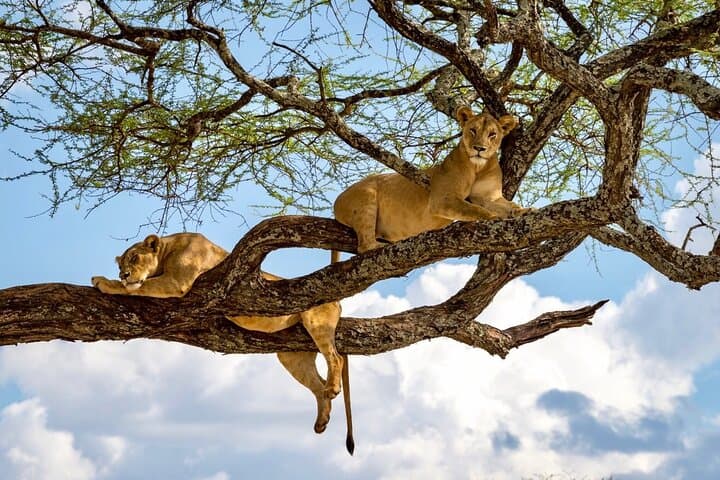
A low morning sun slices the grasslands as a light aircraft drops you onto the Seronera airstrip; the smell of dust and crushed grass rises and the plains seem to lean forward, alive with movement. On Day One a private guide meets you and the first game drive begins—lions stretch on kopjes, herds track the horizon, and vultures wheel overhead like weather vanes. The Serengeti’s geology is plain and purposeful: open volcanic soils, ancient erosion plains, and scattered granite kopjes that funnel wildlife and create predictable viewing corridors.
A low morning sun slices the grasslands as a light aircraft drops you onto the Seronera airstrip; the smell of dust and crushed grass rises and the plains seem to lean forward, alive with movement. On Day One a private guide meets you and the first game drive begins—lions stretch on kopjes, herds track the horizon, and vultures wheel overhead like weather vanes. The Serengeti’s geology is plain and purposeful: open volcanic soils, ancient erosion plains, and scattered granite kopjes that funnel wildlife and create predictable viewing corridors.
Historically the Serengeti and Ngorongoro sit on routes used by pastoral Maasai and earlier hominid sites; Olduvai Gorge to the east records human origins while Ngorongoro’s crater is a collapsed volcanic caldera, its rim rising dramatically to contain a dense, almost theatrical ecosystem.
Culturally, encounters are guided and respectful—many lodges and camps employ local Maasai and use community conservancies to balance tourism and grazing. Practical things matter here: light aircraft impose strict luggage limits, game drives start early or late to match predator activity, and road surfaces inside parks are rough.
Prepare for early wake-ups, long hours in a safari vehicle, and close wildlife viewing. Bring layered sun protection, a good pair of binoculars and a camera with a telephoto lens, and a small daypack for water and essentials. Guides handle navigation and permits; your job is to stay alert, hydrated, and camera-ready. End each night in a tented camp where the bush’s sounds become the room’s soundtrack—stark, immediate, and unmistakably real.