THE ADVENTURE COLLECTIVE® · Independent discovery and booking for outdoor travel

Fly from Cape Town to Entebbe, cross the Equator, and track mountain gorillas in Bwindi or Mgahinga. This compact multi-day itinerary mixes cultural stops, Lake Bunyonyi scenery, and one unforgettable hour with wild gorillas.
Fly from Cape Town to Entebbe, cross the Equator, and track mountain gorillas in Bwindi or Mgahinga. This compact multi-day itinerary mixes cultural stops, Lake Bunyonyi scenery, and one unforgettable hour with wild gorillas.
A humid, green hush meets travelers stepping off the flight and into the shadowed slopes of Bwindi and Mgahinga — vines drape like ropes, mist clings to steep ridgelines, and the forest seems to watch as you move. The trip shifts quickly from airport bustle to remote trails: an overnight in Entebbe, a drive across the Equator with the obligatory photo, then into the Rushaga sector where the forest tightens and the real work — locating a gorilla family — begins.
Verified experiences and guided adventures in the surrounding area.
Operated by JST Adventures · Kisoro, Kisoro District
A humid, green hush meets travelers stepping off the flight and into the shadowed slopes of Bwindi and Mgahinga — vines drape like ropes, mist clings to steep ridgelines, and the forest seems to watch as you move. The trip shifts quickly from airport bustle to remote trails: an overnight in Entebbe, a drive across the Equator with the obligatory photo, then into the Rushaga sector where the forest tightens and the real work — locating a gorilla family — begins.
Bwindi Impenetrable and Mgahinga are volcanic and tectonic landscapes carved by uplift and erosion; soils are rich, slopes steep, and elevation ranges near 1,200–2,600 m, which creates the dense, mossy forest that supports mountain gorillas. The area has long been home to Batwa and Bakiga communities; tourism revenues now contribute to conservation and community projects. Historical protection efforts culminated in Bwindi’s 1994 UNESCO World Heritage designation.
Practically, expect full-day transfers and a single trekking day where hikes commonly take 2–6 hours over muddy, root-strewn trails with short, steep gains; the official viewing time with gorillas is one hour. Bring sturdy, broken-in hiking boots, rain layers, and water (2–3 L). Malaria precautions and up-to-date vaccinations are recommended; permit logistics and a park ranger briefing are part of the morning routine. Mornings often give the best light and cooler conditions for tracking; afternoons can turn into heavy equatorial showers. Move deliberately on slopes, respect ranger instructions, and keep your distance from the gorillas — the animals set the tone for the encounter, not you.
challenging.
4–5 days.
Moderate to fit — be comfortable with 2–6 hour hikes on uneven, steep terrain and rapid elevation change.
Yes — an official permit is required for gorilla tracking and must be bought in advance; operators usually handle booking.
Park rules allow one hour of close observation once the group is located; trekking time to find them varies widely.
Dry months (June–August, December–February) offer firmer trails and more predictable access, though gorillas can be seen year-round.
Gorilla tracking requires physical effort on uneven terrain; it’s generally unsuitable for guests with limited mobility and children may be subject to park age restrictions.
Bwindi’s protection grew in the late 20th century as conservationists and communities worked to save the last mountain gorillas; the park gained UNESCO status in 1994.
Gorilla permits fund rangers, anti-poaching patrols, and community development; follow park rules to minimize disease transmission and disturbance.
JST Adventures operates guided outdoor trips and adventures with an emphasis on safety, stewardship, and memorable experiences.
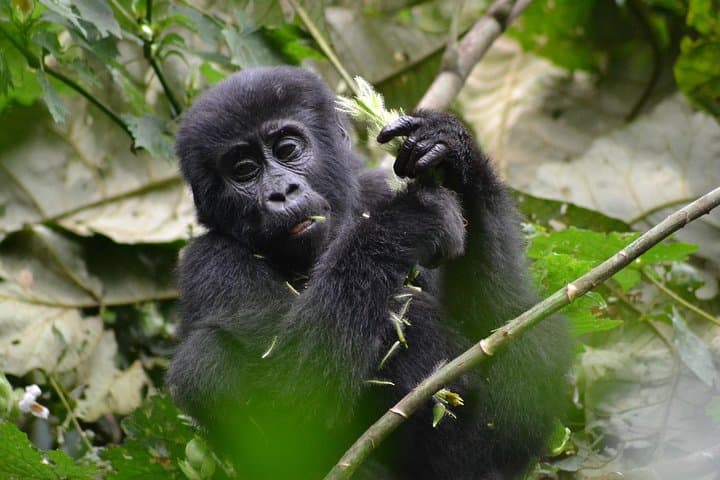
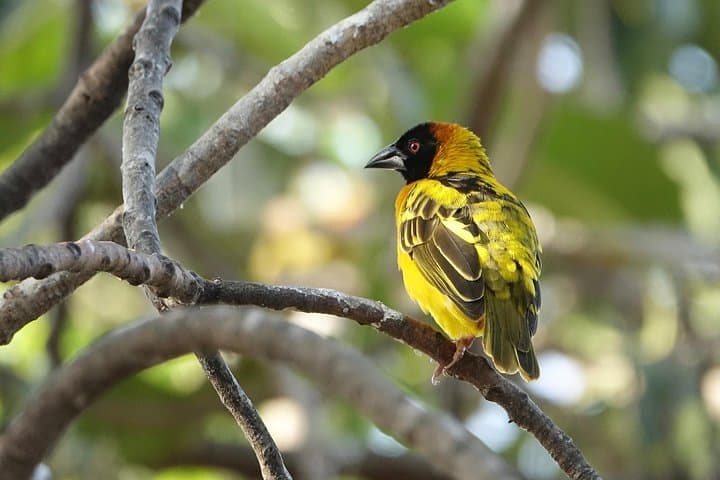
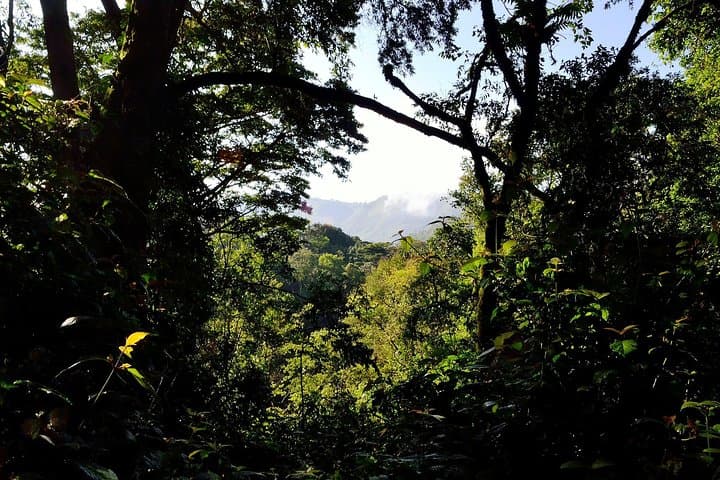
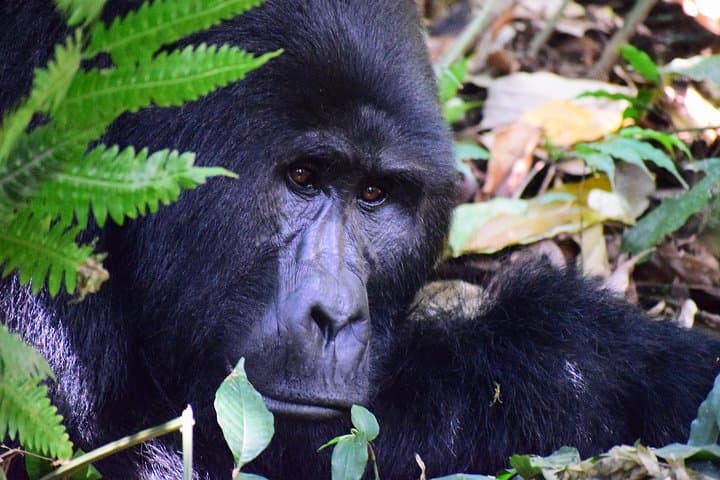
A humid, green hush meets travelers stepping off the flight and into the shadowed slopes of Bwindi and Mgahinga — vines drape like ropes, mist clings to steep ridgelines, and the forest seems to watch as you move. The trip shifts quickly from airport bustle to remote trails: an overnight in Entebbe, a drive across the Equator with the obligatory photo, then into the Rushaga sector where the forest tightens and the real work — locating a gorilla family — begins.
A humid, green hush meets travelers stepping off the flight and into the shadowed slopes of Bwindi and Mgahinga — vines drape like ropes, mist clings to steep ridgelines, and the forest seems to watch as you move. The trip shifts quickly from airport bustle to remote trails: an overnight in Entebbe, a drive across the Equator with the obligatory photo, then into the Rushaga sector where the forest tightens and the real work — locating a gorilla family — begins.
Bwindi Impenetrable and Mgahinga are volcanic and tectonic landscapes carved by uplift and erosion; soils are rich, slopes steep, and elevation ranges near 1,200–2,600 m, which creates the dense, mossy forest that supports mountain gorillas. The area has long been home to Batwa and Bakiga communities; tourism revenues now contribute to conservation and community projects. Historical protection efforts culminated in Bwindi’s 1994 UNESCO World Heritage designation.
Practically, expect full-day transfers and a single trekking day where hikes commonly take 2–6 hours over muddy, root-strewn trails with short, steep gains; the official viewing time with gorillas is one hour. Bring sturdy, broken-in hiking boots, rain layers, and water (2–3 L). Malaria precautions and up-to-date vaccinations are recommended; permit logistics and a park ranger briefing are part of the morning routine. Mornings often give the best light and cooler conditions for tracking; afternoons can turn into heavy equatorial showers. Move deliberately on slopes, respect ranger instructions, and keep your distance from the gorillas — the animals set the tone for the encounter, not you.