THE ADVENTURE COLLECTIVE® · Independent discovery and booking for outdoor travel

Fly by bush plane into Knik Valley and land beside a remote glacier for an up-close exploration of blue ice, crevasses and melt streams. This small-group fly-in offers focused photography time, wildlife spotting from the air, and an intimate wilderness experience.
Fly by bush plane into Knik Valley and land beside a remote glacier for an up-close exploration of blue ice, crevasses and melt streams. This small-group fly-in offers focused photography time, wildlife spotting from the air, and an intimate wilderness experience.
The plane’s propeller thumps a steady heartbeat as the pilot taxis you across a gravel strip; outside, the Knik Valley unfurls — a patchwork of cobalt lakes, braided rivers and serrated ridgelines. Within minutes the world thins: mountains close in, glaciers slow the light to a blue so deep it seems to have its own temperature. The landing is gentle but final — you step onto an untracked moraine and the ice ahead dares you to explore.
Verified experiences and guided adventures in the surrounding area.
Operated by FLY8MA Pilot Lodge · Wasilla, Alaska
The plane’s propeller thumps a steady heartbeat as the pilot taxis you across a gravel strip; outside, the Knik Valley unfurls — a patchwork of cobalt lakes, braided rivers and serrated ridgelines. Within minutes the world thins: mountains close in, glaciers slow the light to a blue so deep it seems to have its own temperature. The landing is gentle but final — you step onto an untracked moraine and the ice ahead dares you to explore.
This part of south-central Alaska sits on the edge of the Chugach Mountains and has been shaped by repeated glaciations and the slow grind of ice over rock. The Knik Glacier system fed local Dena'ina Athabascan people for generations; pilots and bush operators later opened the valley to small aircraft, making fly-in glacier visits possible for modern adventurers.
Expect compact-group logistics: a bush plane transfer, a short guided walk beside the terminus, and time for photography and observing crevasses, moulins and melt streams. Wildlife sightings — moose along lakeshores, Dall sheep on rock bands — are common from the air.
Practical notes: dress in windproof layers and waterproof boots, bring a camera with spare batteries, and be prepared for quick weather changes; flights can be canceled if conditions turn. The activity is moderately physical — uneven moraine and icy patches require sure footing. Respect the glacier: stay back from unstable ice edges and avoid stepping on thin snow bridges. Arrive with necessary health info and follow your pilot’s safety briefing — this is remote wilderness travel with high payoff and real environmental sensitivity.
moderate.
4 hours.
Should be comfortable walking on uneven, icy terrain for short periods and able to follow safety instructions; moderate cardiovascular fitness recommended.
The full experience is about four hours, with roughly an hour or more of on-the-ground exploration after a scenic bush plane transfer.
Yes — the operator requires health details and has restrictions for pregnant travelers and those with serious heart or spine issues; bring required booking info like height and weight.
Flights are weather-dependent; operators will cancel in unsafe conditions and all-sales-final policies may apply, so plan flexibly.
No specialized glacier gear is required for a short, guided walk at the terminus, but sturdy boots and layered clothing are necessary.
The Knik Valley area is part of Dena'ina Athabascan homeland and later became accessible to pilots and bush operators who opened remote glacier landings to visitors.
Glaciers here are sensitive to warming trends; visitors should practice leave-no-trace, minimize noise and avoid disturbing meltwater channels and fragile vegetation.
FLY8MA Pilot Lodge operates guided outdoor trips and adventures with an emphasis on safety, stewardship, and memorable experiences.
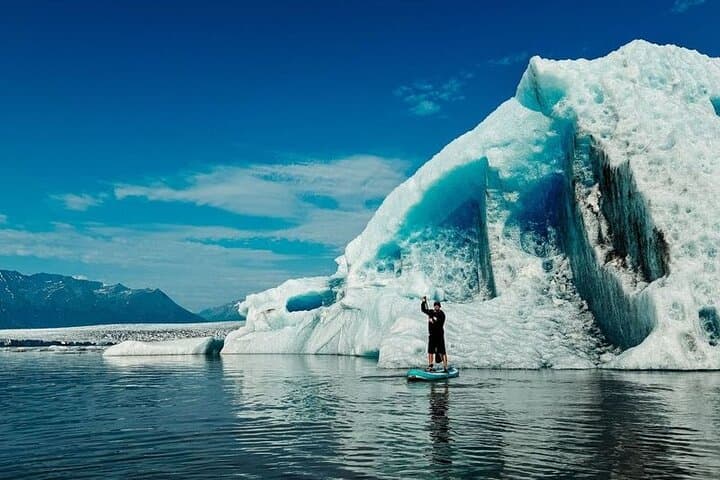
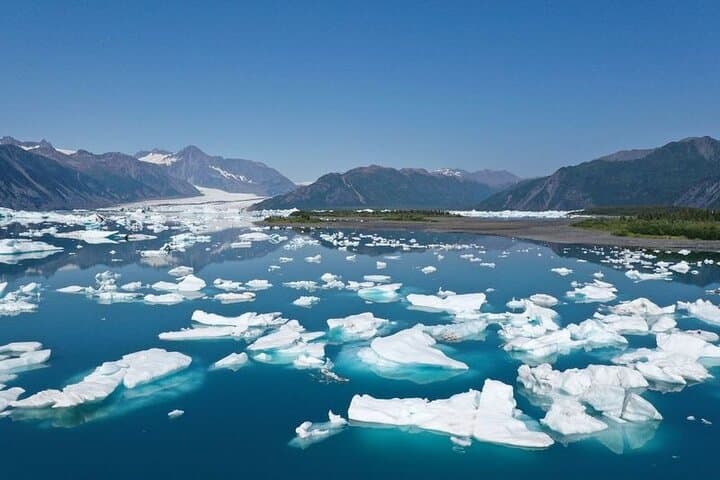
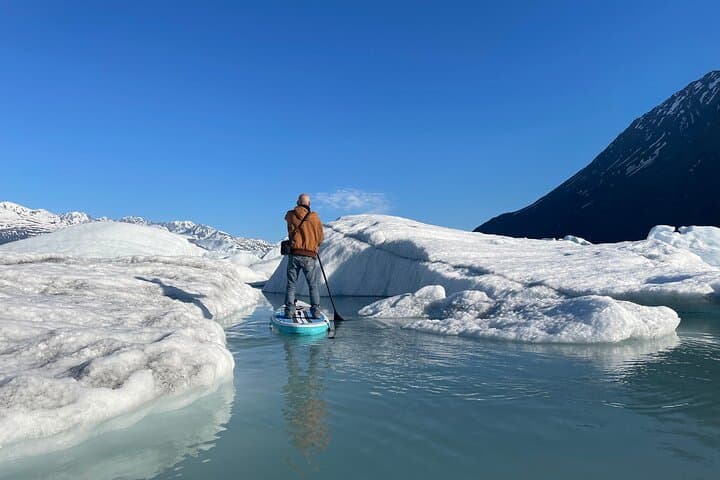
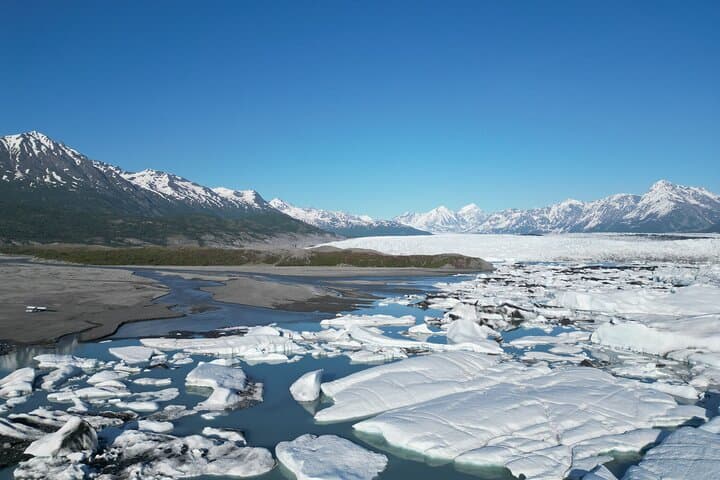
The plane’s propeller thumps a steady heartbeat as the pilot taxis you across a gravel strip; outside, the Knik Valley unfurls — a patchwork of cobalt lakes, braided rivers and serrated ridgelines. Within minutes the world thins: mountains close in, glaciers slow the light to a blue so deep it seems to have its own temperature. The landing is gentle but final — you step onto an untracked moraine and the ice ahead dares you to explore.
The plane’s propeller thumps a steady heartbeat as the pilot taxis you across a gravel strip; outside, the Knik Valley unfurls — a patchwork of cobalt lakes, braided rivers and serrated ridgelines. Within minutes the world thins: mountains close in, glaciers slow the light to a blue so deep it seems to have its own temperature. The landing is gentle but final — you step onto an untracked moraine and the ice ahead dares you to explore.
This part of south-central Alaska sits on the edge of the Chugach Mountains and has been shaped by repeated glaciations and the slow grind of ice over rock. The Knik Glacier system fed local Dena'ina Athabascan people for generations; pilots and bush operators later opened the valley to small aircraft, making fly-in glacier visits possible for modern adventurers.
Expect compact-group logistics: a bush plane transfer, a short guided walk beside the terminus, and time for photography and observing crevasses, moulins and melt streams. Wildlife sightings — moose along lakeshores, Dall sheep on rock bands — are common from the air.
Practical notes: dress in windproof layers and waterproof boots, bring a camera with spare batteries, and be prepared for quick weather changes; flights can be canceled if conditions turn. The activity is moderately physical — uneven moraine and icy patches require sure footing. Respect the glacier: stay back from unstable ice edges and avoid stepping on thin snow bridges. Arrive with necessary health info and follow your pilot’s safety briefing — this is remote wilderness travel with high payoff and real environmental sensitivity.