THE ADVENTURE COLLECTIVE® · Independent discovery and booking for outdoor travel

Make a long but efficient day of it: fly from Cairo to Luxor to explore the Valley of the Kings, Hatshepsut’s temple, the Colossi of Memnon and Karnak. This guide previews what to expect and how to prepare for a packed, history-rich expedition.
Make a long but efficient day of it: fly from Cairo to Luxor to explore the Valley of the Kings, Hatshepsut’s temple, the Colossi of Memnon and Karnak. This guide previews what to expect and how to prepare for a packed, history-rich expedition.
You step off a short morning flight and the air changes: sun-bright desert opens to a ribbon of Nile that dares you to follow it west. Crossing the river by car, columns and stone faces rise like pages of history; the Valley of the Kings slopes into ochre shadow nearby while Karnak’s forest of columns stands like an open-air archive.
Verified experiences and guided adventures in the surrounding area.
Operated by Luxor Private Day Tours · Luxor, Luxor Governorate
You step off a short morning flight and the air changes: sun-bright desert opens to a ribbon of Nile that dares you to follow it west. Crossing the river by car, columns and stone faces rise like pages of history; the Valley of the Kings slopes into ochre shadow nearby while Karnak’s forest of columns stands like an open-air archive.
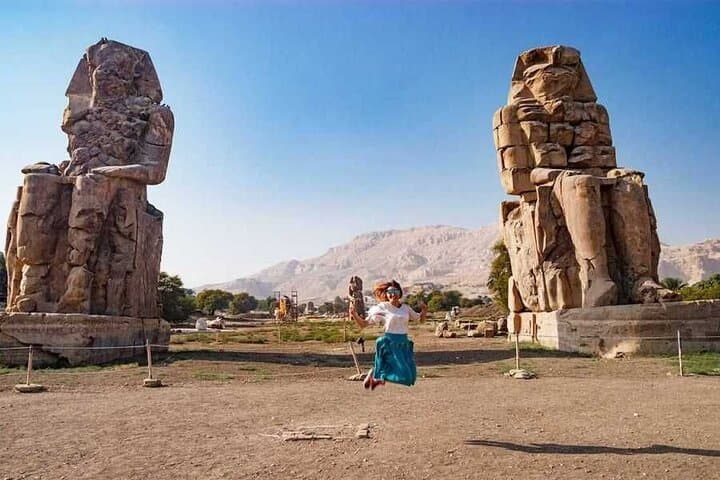
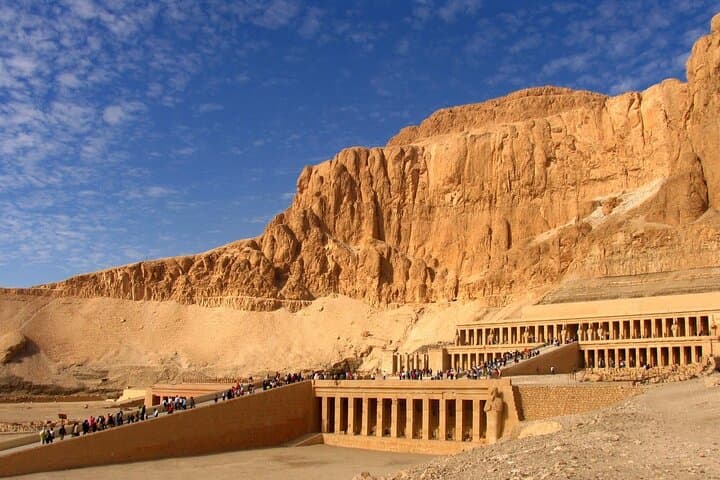
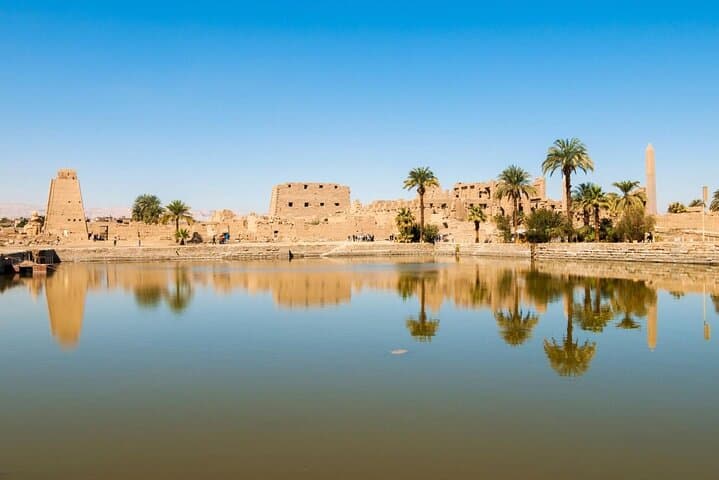
Luxor (ancient Thebes) was the New Kingdom capital, formed on river silt and bedrock; its temples honor pharaohs who shaped Egypt’s art and religion. Hatshepsut’s funerary temple cuts into cliff, a bold architectural argument, while the Colossi of Memnon keep silent watch over the west bank. Karnak’s complex grew over centuries—sand, masonry and Nile commerce layered together into colossal gateways and carved reliefs.
Expect lots of walking on uneven stone, brief climbs and intense sun; guides here are Egyptologists who explain motifs that can look like shorthand until context arrives. Photography rules change by site and tomb; some tombs require extra tickets—King Tutankhamun’s is often separate.
Practical edge: depart very early from Cairo, wear sturdy closed shoes, sun protection and light layers for cooler mornings. Carry local currency for optional tickets and tips; bottled water is included but bring a refillable bottle for comfort. Timing is tight—this is a long day with airport transfers and security—so energy pacing matters as much as curiosity. By evening you’ll be back in Cairo, carrying dust on your boots and new scenes in your head.
moderate.
13 hours.
Moderate endurance for extended walking, stair climbing, and a long travel day; comfortable mobility recommended
Standard entrance to main temple areas is usually included but specific tombs (for example Tutankhamun) often require additional tickets purchased on-site.
Flight time is about one hour each way; expect several hours more for airport transfers, security, and ground travel between sites, making this a full 12–13 hour day.
Yes—infants and small children can use strollers but many sites have steps and uneven paths; carriers can be more practical for tomb visits.
Guides on this tour are professional Egyptologists providing commentary in English; other languages may be available on request but should be confirmed at booking.
Luxor sits on ancient Thebes, the New Kingdom capital where pharaohs built massive mortuary temples and rock-cut tombs between roughly 1570–1069 BCE.
Tomb interiors are vulnerable to humidity and touch; follow guidance, avoid flash photography where banned, and support licensed guides to help fund local conservation efforts.
Luxor Private Day Tours operates guided outdoor trips and adventures with an emphasis on safety, stewardship, and memorable experiences.

You step off a short morning flight and the air changes: sun-bright desert opens to a ribbon of Nile that dares you to follow it west. Crossing the river by car, columns and stone faces rise like pages of history; the Valley of the Kings slopes into ochre shadow nearby while Karnak’s forest of columns stands like an open-air archive.
You step off a short morning flight and the air changes: sun-bright desert opens to a ribbon of Nile that dares you to follow it west. Crossing the river by car, columns and stone faces rise like pages of history; the Valley of the Kings slopes into ochre shadow nearby while Karnak’s forest of columns stands like an open-air archive.
Luxor (ancient Thebes) was the New Kingdom capital, formed on river silt and bedrock; its temples honor pharaohs who shaped Egypt’s art and religion. Hatshepsut’s funerary temple cuts into cliff, a bold architectural argument, while the Colossi of Memnon keep silent watch over the west bank. Karnak’s complex grew over centuries—sand, masonry and Nile commerce layered together into colossal gateways and carved reliefs.
Expect lots of walking on uneven stone, brief climbs and intense sun; guides here are Egyptologists who explain motifs that can look like shorthand until context arrives. Photography rules change by site and tomb; some tombs require extra tickets—King Tutankhamun’s is often separate.
Practical edge: depart very early from Cairo, wear sturdy closed shoes, sun protection and light layers for cooler mornings. Carry local currency for optional tickets and tips; bottled water is included but bring a refillable bottle for comfort. Timing is tight—this is a long day with airport transfers and security—so energy pacing matters as much as curiosity. By evening you’ll be back in Cairo, carrying dust on your boots and new scenes in your head.