THE ADVENTURE COLLECTIVE® · Independent discovery and booking for outdoor travel

Float the Limay and Manso with a local family of guides, casting into clear Patagonian riffles and breaking for an authentic riverside parrilla. Private half- and full-day trips include expert instruction, Orvis gear, and hotel pickup.
Float the Limay and Manso with a local family of guides, casting into clear Patagonian riffles and breaking for an authentic riverside parrilla. Private half- and full-day trips include expert instruction, Orvis gear, and hotel pickup.
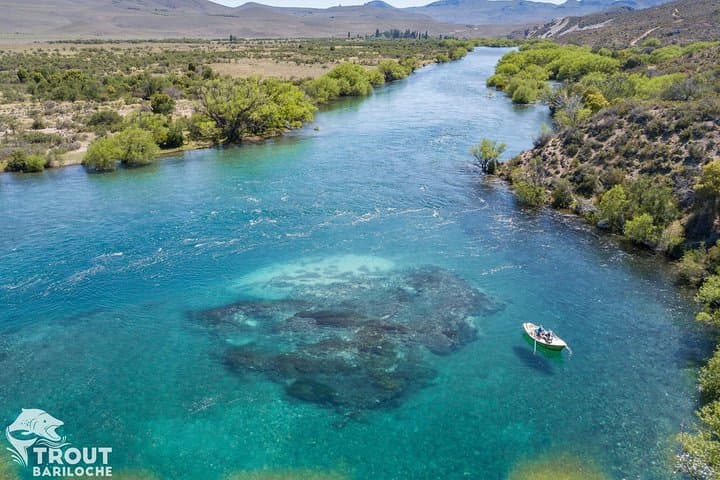
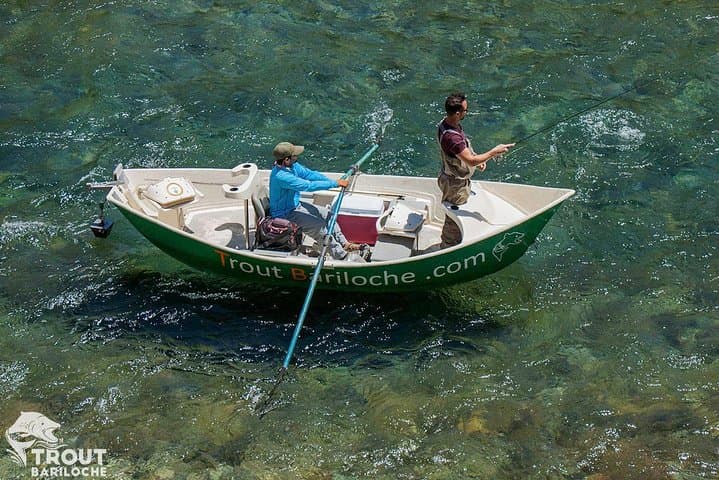
The day begins before the sun warms the peaks—your guide meets you at the hotel and the van slides out of San Carlos de Bariloche toward rivers that have been drawing anglers for generations. Mist hangs low over the water where the Limay and Manso cut clean channels through glacial rock; your guide checks reels and explains the plan with the easy authority of someone who grew up on these banks. By the time the boat idles into a current, the first casts are already finding paths trout are willing to follow.
Verified experiences and guided adventures in the surrounding area.
Operated by Trout Bariloche · San Carlos de Bariloche, Río Negro
The day begins before the sun warms the peaks—your guide meets you at the hotel and the van slides out of San Carlos de Bariloche toward rivers that have been drawing anglers for generations. Mist hangs low over the water where the Limay and Manso cut clean channels through glacial rock; your guide checks reels and explains the plan with the easy authority of someone who grew up on these banks. By the time the boat idles into a current, the first casts are already finding paths trout are willing to follow.
This is Patagonia in practical dress: ancient ice carved the valleys, leaving steep granite walls and fine gravel bars where trout feed. The story of fishing here is recent and human—rainbow and brown trout were introduced in the late 19th and 20th centuries, and today the rivers that thread Nahuel Huapi National Park (created in 1934) are a world-class fishery. The operators behind these trips are a local family; their knowledge of pocket currents, foam lines and seasonal runs turns a day on the water into both a lesson and an escape.
Culture and cuisine come ashore at midday: a riverside parrilla with Argentine steak and a glass of Malbec turns a successful drift into a full-sensory memory. The guides supply quality tackle—Orvis waders, rods and reels, local flies—so you arrive ready to fish, not to improvise gear.
Practicalities matter here. The company runs private trips with hotel pickup at 8:00 a.m., and offers half-day and full-day options: half-day for tight itineraries, full-day to explore multiple stretches of river and linger at lunch. Water levels and weather change fast in the Andes; guides read the rivers daily and will adjust the route for safety and fishability.
If you’re new to fly fishing, expect patient, hands-on instruction; experienced anglers will appreciate private access to quieter pools. Wildlife sightings—harriers quartering the plains, or a red fox slipping the willow edges—add a terrestrial rhythm to the cast-and-wait cadence.
Plan for variable mountain weather: layers, waterproof jacket and polarized sunglasses are not optional. Hydration, sun protection and a basic appreciation for Leave No Trace practices keep the rivers healthy and the experience communal. Because the operation is family-run and focused on quality, spaces fill quickly during high season; book early if you want the morning slot and a full-day barbecue on the bank.
For anglers who like measurable returns, these trips deliver technical coaching, solid gear, and access to some of Patagonia’s cleanest riffles. For everyone else, they provide a reason to slow down, read water, and let the current decide the day’s pace.
easy.
4–10 hours.
Basic mobility and ability to step in and out of a boat; suitable for most fitness levels
No—trips are suitable for beginners and experienced anglers; guides provide hands-on instruction and tailor casting coaching to your level.
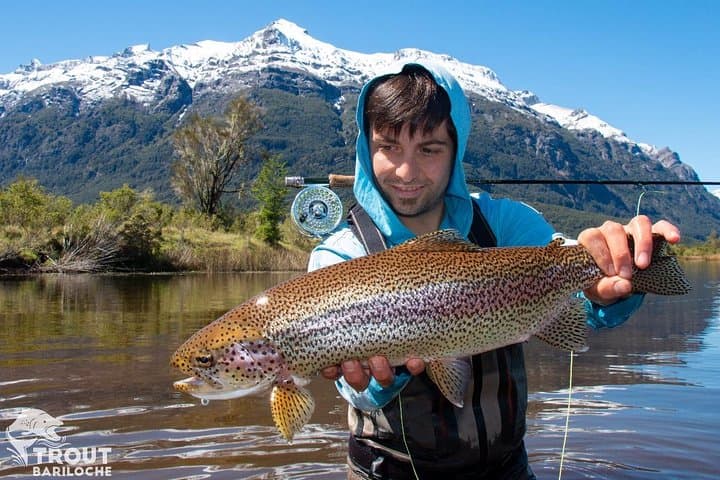
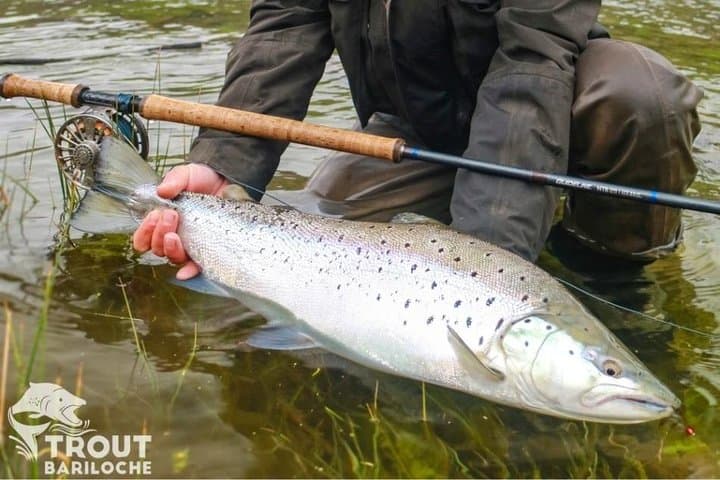
The Limay and Manso are known for rainbow and brown trout; guides target runs and pools where these species concentrate.
High-quality gear (waders, boots, rods, lines and local flies) is included, but you may bring personal rods or boots if you prefer.
Yes—full-day trips include a riverside Argentine barbecue, bottled water, snacks, coffee and often a glass of local wine; half-day trips include bottled water and snacks.
Pickup is typically from Bariloche hotels at 8:00 a.m.; the operator also offers configurable pickup points—confirm timing when you book.
All sales are final per the operator’s policy; confirm details and travel insurance options before booking.
The Limay and Manso flow through Nahuel Huapi National Park, Argentina’s first national park (established 1934), and became a fly-fishing destination after trout introductions in the late 19th–20th centuries.
Anglers are encouraged to follow catch-and-release practices where advised; local outfitters support habitat protection and educate visitors on minimizing bank erosion and litter.
Trout Bariloche operates guided outdoor trips and adventures with an emphasis on safety, stewardship, and memorable experiences.
The day begins before the sun warms the peaks—your guide meets you at the hotel and the van slides out of San Carlos de Bariloche toward rivers that have been drawing anglers for generations. Mist hangs low over the water where the Limay and Manso cut clean channels through glacial rock; your guide checks reels and explains the plan with the easy authority of someone who grew up on these banks. By the time the boat idles into a current, the first casts are already finding paths trout are willing to follow.
The day begins before the sun warms the peaks—your guide meets you at the hotel and the van slides out of San Carlos de Bariloche toward rivers that have been drawing anglers for generations. Mist hangs low over the water where the Limay and Manso cut clean channels through glacial rock; your guide checks reels and explains the plan with the easy authority of someone who grew up on these banks. By the time the boat idles into a current, the first casts are already finding paths trout are willing to follow.
This is Patagonia in practical dress: ancient ice carved the valleys, leaving steep granite walls and fine gravel bars where trout feed. The story of fishing here is recent and human—rainbow and brown trout were introduced in the late 19th and 20th centuries, and today the rivers that thread Nahuel Huapi National Park (created in 1934) are a world-class fishery. The operators behind these trips are a local family; their knowledge of pocket currents, foam lines and seasonal runs turns a day on the water into both a lesson and an escape.
Culture and cuisine come ashore at midday: a riverside parrilla with Argentine steak and a glass of Malbec turns a successful drift into a full-sensory memory. The guides supply quality tackle—Orvis waders, rods and reels, local flies—so you arrive ready to fish, not to improvise gear.
Practicalities matter here. The company runs private trips with hotel pickup at 8:00 a.m., and offers half-day and full-day options: half-day for tight itineraries, full-day to explore multiple stretches of river and linger at lunch. Water levels and weather change fast in the Andes; guides read the rivers daily and will adjust the route for safety and fishability.
If you’re new to fly fishing, expect patient, hands-on instruction; experienced anglers will appreciate private access to quieter pools. Wildlife sightings—harriers quartering the plains, or a red fox slipping the willow edges—add a terrestrial rhythm to the cast-and-wait cadence.
Plan for variable mountain weather: layers, waterproof jacket and polarized sunglasses are not optional. Hydration, sun protection and a basic appreciation for Leave No Trace practices keep the rivers healthy and the experience communal. Because the operation is family-run and focused on quality, spaces fill quickly during high season; book early if you want the morning slot and a full-day barbecue on the bank.
For anglers who like measurable returns, these trips deliver technical coaching, solid gear, and access to some of Patagonia’s cleanest riffles. For everyone else, they provide a reason to slow down, read water, and let the current decide the day’s pace.