THE ADVENTURE COLLECTIVE® · Independent discovery and booking for outdoor travel

Step into a full-scale Boeing 777 cockpit in Tokyo and fly simulated approaches to major airports around the world. This 60–70 minute, instructor-guided session uses authentic controls and sampled engine sounds for a pilot-level experience.
Step into a full-scale Boeing 777 cockpit in Tokyo and fly simulated approaches to major airports around the world. This 60–70 minute, instructor-guided session uses authentic controls and sampled engine sounds for a pilot-level experience.
You settle into a full-scale cockpit as the simulator lights come alive: switches click under your fingers, the throttles hum, and a pilot-instructor runs through a calm checklist. Through the forward displays Tokyo’s skyline or a runway at JFK can be framed on command; the soundscape is sampled from a B777 and the immersion is immediate.
Verified experiences and guided adventures in the surrounding area.
Operated by SKY ART JAPAN 株式会社 · Tokyo, Tokyo
You settle into a full-scale cockpit as the simulator lights come alive: switches click under your fingers, the throttles hum, and a pilot-instructor runs through a calm checklist. Through the forward displays Tokyo’s skyline or a runway at JFK can be framed on command; the soundscape is sampled from a B777 and the immersion is immediate.
Japan’s modern aviation culture grew after WWII with hubs like Haneda and Narita shaping Tokyo into a global gateway. The simulator uses authentic Boeing software and a database of thousands of airports, reflecting decades of flight training standards and the practical precision of commercial airline operations. In a city built on reclaimed alluvial plains and edged by Tokyo Bay, the experience contrasts urban geology with the engineered geometry of runways and flight paths.
Local insight: the center pairs a Boeing 777-300ER full-scale simulator with an Airbus-320 mock cabin for guest seating; instructors are licensed pilots who can switch between training modes and sightseeing flights. More than a novelty, this is the same hardware used for procedural practice—ideal for anyone curious about systems, approaches, or hands-on stick time.
Practical guidance: sessions are roughly 60 minutes, mobile tickets are accepted, and bookings are manually confirmed; same price covers up to two participants. Tell staff your preferred airport, weather, or how much control you want. Arrive early to brief with your instructor, bring ID, and expect an accessible, low-physical-demand experience that’s high on technical detail and sensory realism.
easy.
60 minutes.
Suitable for all physical fitness levels; activity is seated and low-impact
The session runs about 60 minutes; plan for an extra 10–15 minutes for check-in and briefing.
Yes—staff can load thousands of registered airports and adjust time or weather to match your requested flight.
Yes; the activity is low physical demand, stroller accessible, and service animals are allowed—confirm any specific accessibility needs when booking.
A licensed pilot-instructor is present; you can request to handle controls and the instructor will supervise or take over as needed.
Tokyo’s airports and flight schools developed rapidly in the postwar era, making the city a hub for both domestic and international aviation training.
Simulators reduce the need for training flights, cutting fuel use and emissions; centers typically emphasize efficient scheduling and minimal environmental footprint.
SKY ART JAPAN 株式会社 operates guided outdoor trips and adventures with an emphasis on safety, stewardship, and memorable experiences.
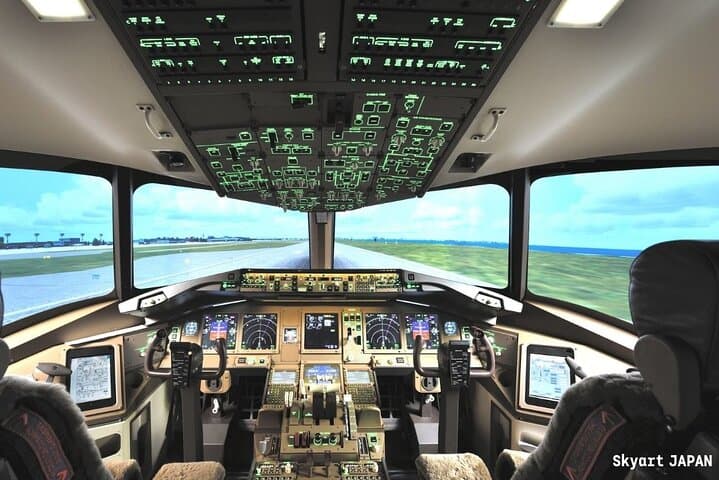
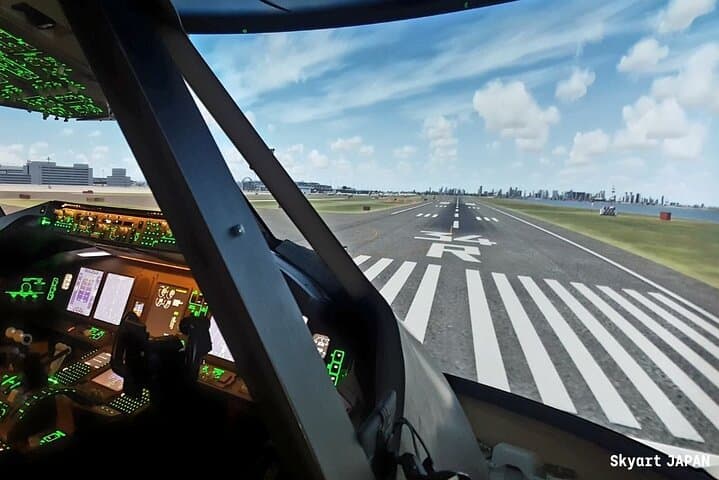
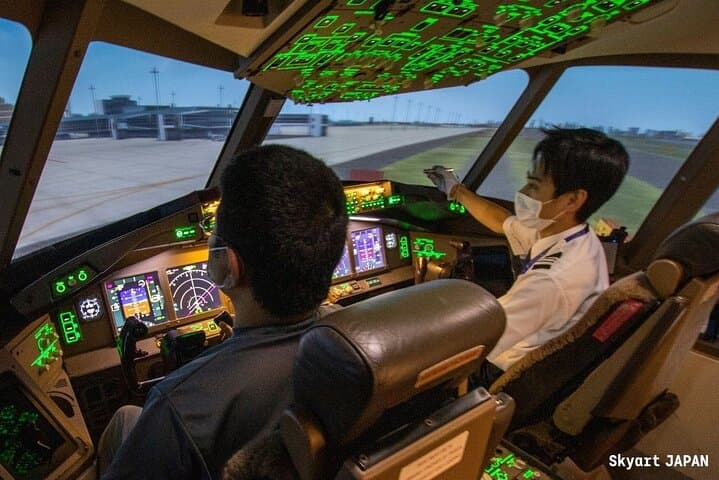
You settle into a full-scale cockpit as the simulator lights come alive: switches click under your fingers, the throttles hum, and a pilot-instructor runs through a calm checklist. Through the forward displays Tokyo’s skyline or a runway at JFK can be framed on command; the soundscape is sampled from a B777 and the immersion is immediate.
You settle into a full-scale cockpit as the simulator lights come alive: switches click under your fingers, the throttles hum, and a pilot-instructor runs through a calm checklist. Through the forward displays Tokyo’s skyline or a runway at JFK can be framed on command; the soundscape is sampled from a B777 and the immersion is immediate.
Japan’s modern aviation culture grew after WWII with hubs like Haneda and Narita shaping Tokyo into a global gateway. The simulator uses authentic Boeing software and a database of thousands of airports, reflecting decades of flight training standards and the practical precision of commercial airline operations. In a city built on reclaimed alluvial plains and edged by Tokyo Bay, the experience contrasts urban geology with the engineered geometry of runways and flight paths.
Local insight: the center pairs a Boeing 777-300ER full-scale simulator with an Airbus-320 mock cabin for guest seating; instructors are licensed pilots who can switch between training modes and sightseeing flights. More than a novelty, this is the same hardware used for procedural practice—ideal for anyone curious about systems, approaches, or hands-on stick time.
Practical guidance: sessions are roughly 60 minutes, mobile tickets are accepted, and bookings are manually confirmed; same price covers up to two participants. Tell staff your preferred airport, weather, or how much control you want. Arrive early to brief with your instructor, bring ID, and expect an accessible, low-physical-demand experience that’s high on technical detail and sensory realism.