THE ADVENTURE COLLECTIVE® · Independent discovery and booking for outdoor travel

A guided walk through Flushing’s Main Street and Roosevelt Avenue exposes you to some of NYC’s richest Asian culinary diversity — from mall food courts to hole-in-the-wall bakeries. Learn local history and taste regional specialties on a 5–6 hour stroll through Queens’ largest Chinatown.
A guided walk through Flushing’s Main Street and Roosevelt Avenue exposes you to some of NYC’s richest Asian culinary diversity — from mall food courts to hole-in-the-wall bakeries. Learn local history and taste regional specialties on a 5–6 hour stroll through Queens’ largest Chinatown.
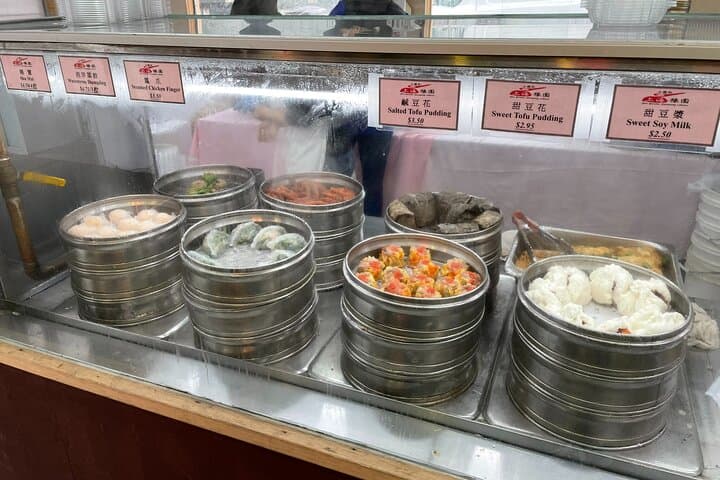
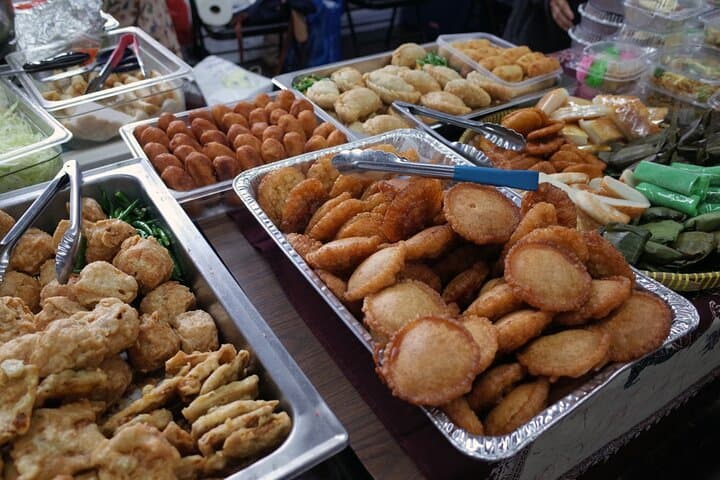
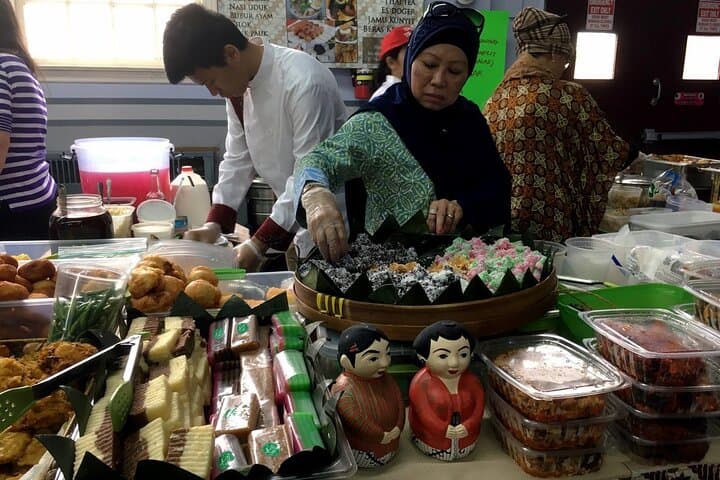
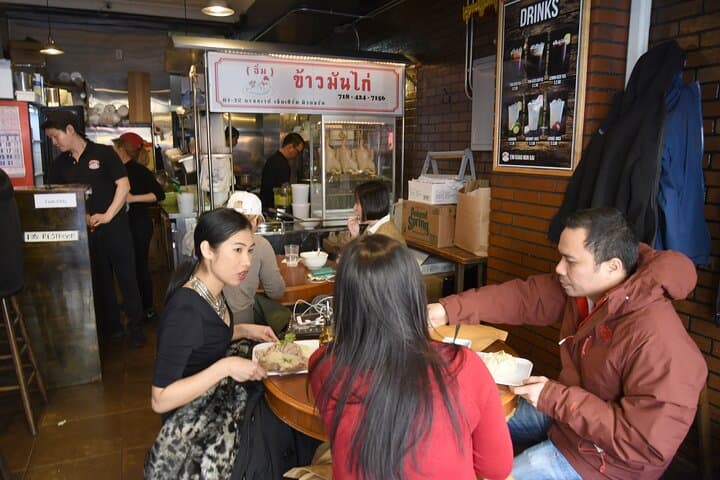
You step out of the 7 train into a corridor of smells — soy and sesame, scallion pancakes frying, steamed buns exhaling warmth — and the city seems to reorient around flavor. This walk moves along Roosevelt Avenue and Main Street, a dense artery where vendors, mall food courts and storefront kitchens press shoulder-to-shoulder, each window offering a different regional voice from across Asia.
Verified experiences and guided adventures in the surrounding area.
Operated by Culinary Backstreets Walks · Flushing, NY
You step out of the 7 train into a corridor of smells — soy and sesame, scallion pancakes frying, steamed buns exhaling warmth — and the city seems to reorient around flavor. This walk moves along Roosevelt Avenue and Main Street, a dense artery where vendors, mall food courts and storefront kitchens press shoulder-to-shoulder, each window offering a different regional voice from across Asia.
Flushing’s story spans centuries: a 17th-century Dutch settlement, an early Quaker meeting house from 1694, then waves of 20th- and 21st-century immigrants who made the neighborhood a culinary magnet. Geographically the neighborhood sits near the Flushing River and the lower-lying floodplain toward Flushing Bay — a working urban edge shaped by tides and reclamation more than dramatic geology.
Expect to sample Hong Kong–style dim sum, Korean pastries with French technique, hand-pulled noodles, and house-made kimchi while guides point out cultural markers like a storefront Daoist temple and the historic meeting house. The pace is deliberate: frequent stops, short walks between samplings, and visits to indoor mall food courts that locals prize for variety and value.
Practical note: this is a mostly flat, urban strolling tour lasting about five to six hours; bring comfortable shoes, a refillable water bottle, and a transit card or OMNY for easy return trips. Cash helps at some stalls. Plan for crowds on weekends and bring a light jacket in cooler months — the neighborhood’s microclimates shift quickly between sunlit streets and air-conditioned food halls.
easy.
5–6 hours.
Suitable for most fitness levels; you should be comfortable standing and walking on flat urban surfaces for several hours
The tour runs about 5–6 hours with frequent stops; walking is on flat, urban sidewalks between food stalls and indoor food courts.
Most tastings are included as part of the tour; check the booking details but expect a mix of included bites and optional purchases at some vendors.
Guides can often accommodate common restrictions if notified in advance; state allergies or dietary needs when booking so alternatives can be arranged.
Meet outside the Duane Reade at 136-02 Roosevelt Ave (Main St & Roosevelt Ave), directly accessible from the Flushing–Main St 7 train terminal.
Flushing began as a Dutch settlement and later hosted the 1694 Flushing Quaker Meeting House; modern Flushing’s character was shaped by late 20th-century immigration from China, Korea and beyond.
Food-tour groups can reduce impact by using refillable bottles, minimizing single-use utensils, and supporting smaller independent vendors that sustain the neighborhood economy.
Culinary Backstreets Walks operates guided outdoor trips and adventures with an emphasis on safety, stewardship, and memorable experiences.
You step out of the 7 train into a corridor of smells — soy and sesame, scallion pancakes frying, steamed buns exhaling warmth — and the city seems to reorient around flavor. This walk moves along Roosevelt Avenue and Main Street, a dense artery where vendors, mall food courts and storefront kitchens press shoulder-to-shoulder, each window offering a different regional voice from across Asia.
You step out of the 7 train into a corridor of smells — soy and sesame, scallion pancakes frying, steamed buns exhaling warmth — and the city seems to reorient around flavor. This walk moves along Roosevelt Avenue and Main Street, a dense artery where vendors, mall food courts and storefront kitchens press shoulder-to-shoulder, each window offering a different regional voice from across Asia.
Flushing’s story spans centuries: a 17th-century Dutch settlement, an early Quaker meeting house from 1694, then waves of 20th- and 21st-century immigrants who made the neighborhood a culinary magnet. Geographically the neighborhood sits near the Flushing River and the lower-lying floodplain toward Flushing Bay — a working urban edge shaped by tides and reclamation more than dramatic geology.
Expect to sample Hong Kong–style dim sum, Korean pastries with French technique, hand-pulled noodles, and house-made kimchi while guides point out cultural markers like a storefront Daoist temple and the historic meeting house. The pace is deliberate: frequent stops, short walks between samplings, and visits to indoor mall food courts that locals prize for variety and value.
Practical note: this is a mostly flat, urban strolling tour lasting about five to six hours; bring comfortable shoes, a refillable water bottle, and a transit card or OMNY for easy return trips. Cash helps at some stalls. Plan for crowds on weekends and bring a light jacket in cooler months — the neighborhood’s microclimates shift quickly between sunlit streets and air-conditioned food halls.