THE ADVENTURE COLLECTIVE® · Independent discovery and booking for outdoor travel

A full-day loop through western El Salvador that pairs small-town markets, artisan workshops, and volcano views. Perfect for travelers who want hands-on craft, local flavors, and an easygoing cultural immersion from San Salvador.
A full-day loop through western El Salvador that pairs small-town markets, artisan workshops, and volcano views. Perfect for travelers who want hands-on craft, local flavors, and an easygoing cultural immersion from San Salvador.
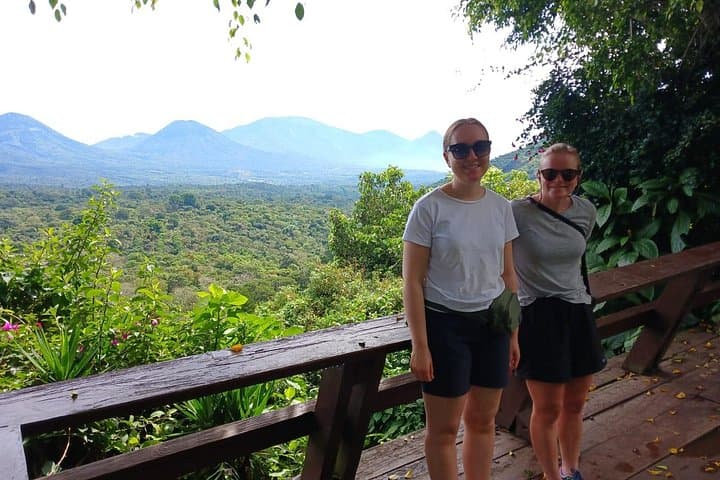
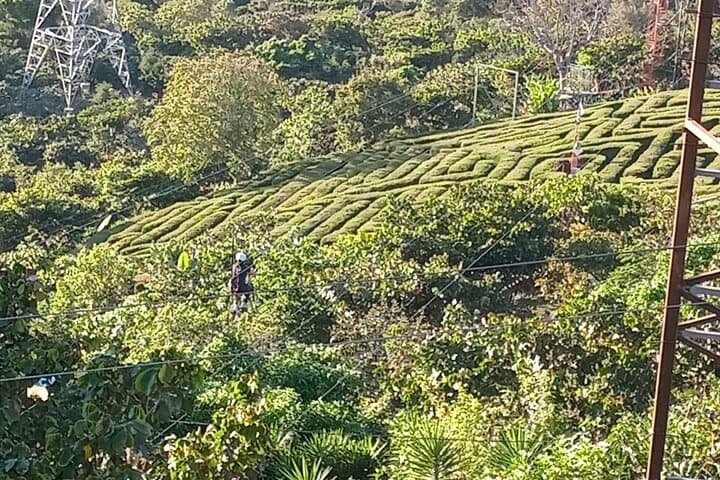
When the minibus eases out of San Salvador at 8 a.m., the city’s concrete heat loosens and a corridor of sugarcane and coffee farms unspools toward the western highlands. By the time the group crests a ridge you can see Cerro Verde and the twin teeth of Izalco and Santa Ana volcanoes carving the horizon. The landscape here moves with purpose: fields that seem to lean toward the sun, a river that dares you to slow down, and villages that keep a measured, human pace.
Verified experiences and guided adventures in the surrounding area.
Operated by Inter Tours · San Salvador, San Salvador
When the minibus eases out of San Salvador at 8 a.m., the city’s concrete heat loosens and a corridor of sugarcane and coffee farms unspools toward the western highlands. By the time the group crests a ridge you can see Cerro Verde and the twin teeth of Izalco and Santa Ana volcanoes carving the horizon. The landscape here moves with purpose: fields that seem to lean toward the sun, a river that dares you to slow down, and villages that keep a measured, human pace.
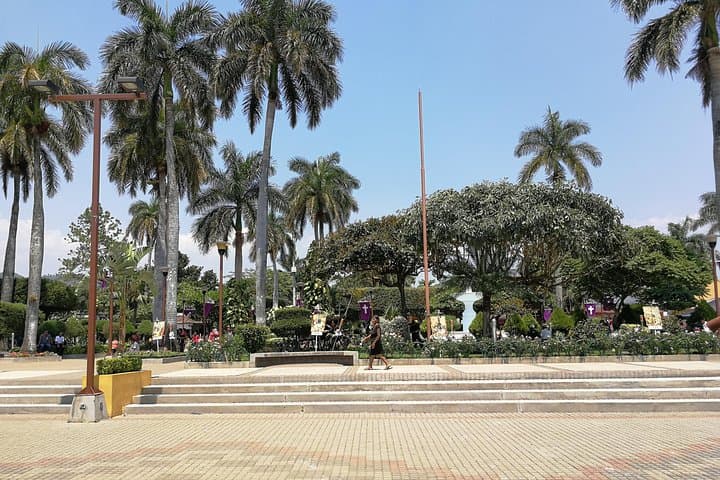
The Flowers Route is less a single destination than a string of villages that reveal the region’s history and craft. Izalco sits on the lower flanks of the volcano that once burst nightly with lava; its colonial churches — historically labeled as the Spanish and the Indian churches — frame a town where volcanic ash met indigenous endurance. Nahuizalco’s market is alive with the pipil descendants who preserve woven brooms, lacquered gourds, and recipes passed down in household kitchens. Salcoatitan surprises with public murals and mosaics; a local artist’s pieces dot the streets and add color to verandas and plazas. The tour ends with time in Ataco, a compact town of painted facades, handcrafted textiles, and a coffee scene that’s quietly serious.
Geology and culture run together here. The volcanic soils made this corridor fertile for sugarcane and coffee, shaping local economies and migration patterns. The pipil heritage remains visible in craft techniques and in everyday commerce; listening to vendors negotiate prices is as instructive as it is lively. Conservation is an undercurrent: coffee cooperatives and small handicraft workshops are increasingly attentive to sustainable harvesting and waste reduction, but travelers can help by buying locally made goods and minimizing single-use plastics.
Practical matters are straightforward. The tour runs about eight hours with air-conditioned transport and a bilingual guide; pickup from selected hotels is available. Expect several short walking stops on uneven cobblestones and dusty market alleys, so closed-toe shoes with good grip are wise. Bring cash in small bills for market purchases and snacks; ATMs are scarce in smaller towns. Hydration matters: it’s sunny and warm most of the year, so carry a refillable bottle. Respect local customs when photographing people — ask first and offer a modest purchase as thanks if you plan to shoot portraits.
For a day that balances food, craft, and quiet landscape, the Flowers Route delivers concentrated cultural learning with a comfortable logistical frame. It’s the kind of excursion that rewards curiosity: the more you wander, the more the towns reveal the labor, taste, and artistry that compose everyday life in rural El Salvador.
easy.
8 hours.
Suitable for most fitness levels; minimal walking but some uneven surfaces and market navigation required
Pickup begins around 15 minutes before the 8:00 a.m. departure and the tour returns to San Salvador at approximately 4:00 p.m.
Yes; the itinerary is low-impact with short walks and vehicle transport between towns, suitable for most ages and fitness levels.
Meals are not included; you’ll have opportunities to sample local foods and purchase snacks at markets and small eateries.
Yes when eating in restaurants, but advise your guide of any allergies or restrictions so they can recommend safe options.
Yes; the itinerary includes dedicated stops for handicrafts, markets, and a free hour in Ataco to explore on your own.
Yes, carry small USD or Salvadoran colón replacement bills; many small vendors prefer cash and credit cards are not widely used in rural markets.
This corridor reflects colonial settlement patterns and centuries of pipil culture; volcanic soils shaped the agricultural economy, especially coffee and sugarcane.
Support local cooperatives and artisans to keep income local; avoid single-use plastics and ask vendors about sustainable sourcing when buying food or crafts.
Inter Tours operates guided outdoor trips and adventures with an emphasis on safety, stewardship, and memorable experiences.
When the minibus eases out of San Salvador at 8 a.m., the city’s concrete heat loosens and a corridor of sugarcane and coffee farms unspools toward the western highlands. By the time the group crests a ridge you can see Cerro Verde and the twin teeth of Izalco and Santa Ana volcanoes carving the horizon. The landscape here moves with purpose: fields that seem to lean toward the sun, a river that dares you to slow down, and villages that keep a measured, human pace.
When the minibus eases out of San Salvador at 8 a.m., the city’s concrete heat loosens and a corridor of sugarcane and coffee farms unspools toward the western highlands. By the time the group crests a ridge you can see Cerro Verde and the twin teeth of Izalco and Santa Ana volcanoes carving the horizon. The landscape here moves with purpose: fields that seem to lean toward the sun, a river that dares you to slow down, and villages that keep a measured, human pace.
The Flowers Route is less a single destination than a string of villages that reveal the region’s history and craft. Izalco sits on the lower flanks of the volcano that once burst nightly with lava; its colonial churches — historically labeled as the Spanish and the Indian churches — frame a town where volcanic ash met indigenous endurance. Nahuizalco’s market is alive with the pipil descendants who preserve woven brooms, lacquered gourds, and recipes passed down in household kitchens. Salcoatitan surprises with public murals and mosaics; a local artist’s pieces dot the streets and add color to verandas and plazas. The tour ends with time in Ataco, a compact town of painted facades, handcrafted textiles, and a coffee scene that’s quietly serious.
Geology and culture run together here. The volcanic soils made this corridor fertile for sugarcane and coffee, shaping local economies and migration patterns. The pipil heritage remains visible in craft techniques and in everyday commerce; listening to vendors negotiate prices is as instructive as it is lively. Conservation is an undercurrent: coffee cooperatives and small handicraft workshops are increasingly attentive to sustainable harvesting and waste reduction, but travelers can help by buying locally made goods and minimizing single-use plastics.
Practical matters are straightforward. The tour runs about eight hours with air-conditioned transport and a bilingual guide; pickup from selected hotels is available. Expect several short walking stops on uneven cobblestones and dusty market alleys, so closed-toe shoes with good grip are wise. Bring cash in small bills for market purchases and snacks; ATMs are scarce in smaller towns. Hydration matters: it’s sunny and warm most of the year, so carry a refillable bottle. Respect local customs when photographing people — ask first and offer a modest purchase as thanks if you plan to shoot portraits.
For a day that balances food, craft, and quiet landscape, the Flowers Route delivers concentrated cultural learning with a comfortable logistical frame. It’s the kind of excursion that rewards curiosity: the more you wander, the more the towns reveal the labor, taste, and artistry that compose everyday life in rural El Salvador.