THE ADVENTURE COLLECTIVE® · Independent discovery and booking for outdoor travel

Explore Florence on a tailored private walking tour led by a local guide. From the Duomo to quieter viewpoints, choose 2–6 hours of curated streets, stories, and practical insights.
Explore Florence on a tailored private walking tour led by a local guide. From the Duomo to quieter viewpoints, choose 2–6 hours of curated streets, stories, and practical insights.
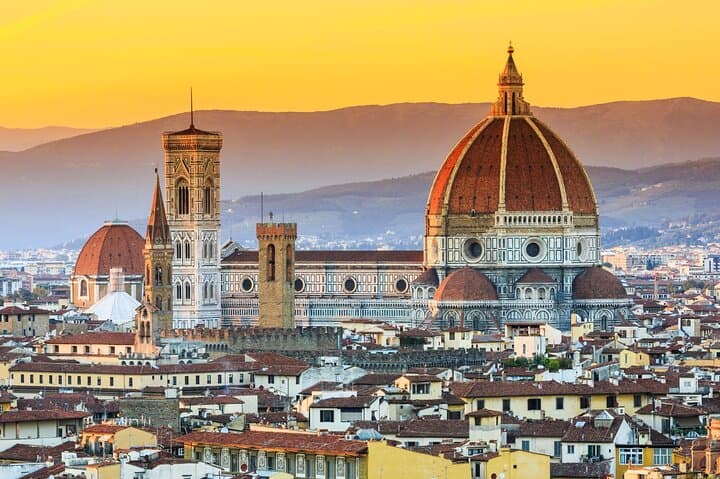
You meet beneath the Duomo as bells thread through a cool morning. Marble facades catch the first light, vendors arrange pastries in arcades, and your guide folds a map into stories—artists, political plots, and the guilds that built a city on craft and conviction.
Verified experiences and guided adventures in the surrounding area.
Operated by Humrahe · Florence, Tuscany
You meet beneath the Duomo as bells thread through a cool morning. Marble facades catch the first light, vendors arrange pastries in arcades, and your guide folds a map into stories—artists, political plots, and the guilds that built a city on craft and conviction.
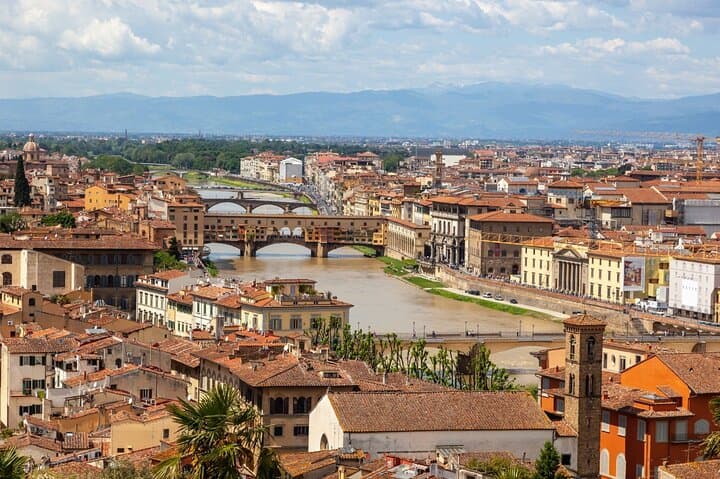
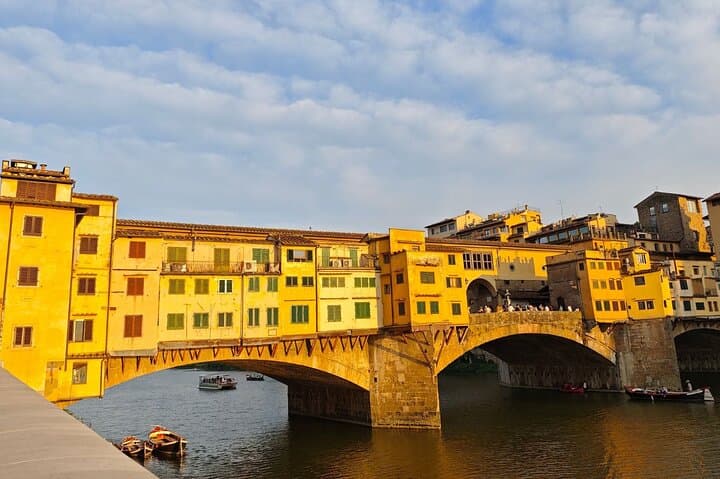
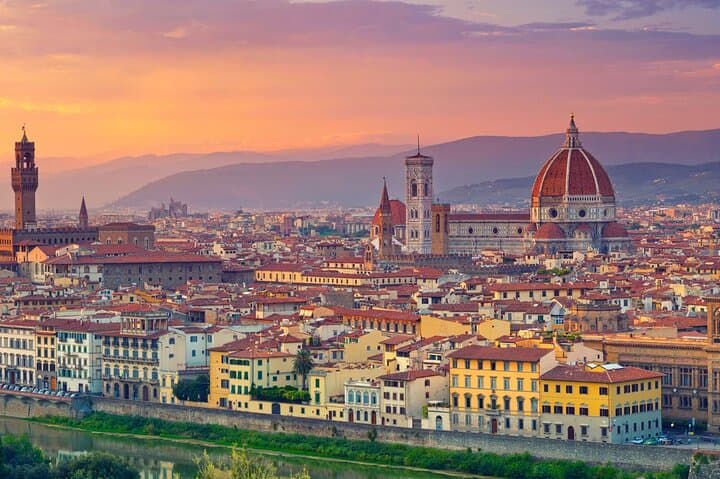
Florence is the birthplace of the Renaissance: compact, walkable, and visibly layered with history. Streets curve from Roman foundations to medieval towers; the Arno cuts the city into lived neighborhoods and quandaries of commerce. Architecture here reads like a field guide—Giotto’s Campanile’s polychrome stone, Brunelleschi’s dome, and the bronze mouths of medieval fountains that once doubled as public notice boards.
Culturally, expect artisans at work in tiny workshops, cafés where locals debate football, and street performers claiming Piazza della Signoria. Geology is subtle but present—the city sits on the Arno’s alluvial plain framed by the Tuscan hills that rise to the south, offering quick viewpoints such as San Miniato al Monte.
Practical guidance: choose a 2–6 hour private itinerary to match energy and interests; a 2-hour route typically covers 2–3 km with minimal elevation, while an extended 6-hour walk can reach 6–8 km including viewpoint climbs. Wear sturdy shoes for cobblestones, bring a refillable water bottle, and start early to avoid midday crowds. Tours are wheelchair-accessible in many areas but expect occasional steep ramps or uneven pavement. Ask your guide for neighborhood food tips and quieter alleys for photo stops—Florence rewards curiosity and a slow pace.
easy.
2–6 hours.
Suitable for people who can walk several kilometers at a relaxed pace; light stair/short hill climbs possible on extended routes.
Many central streets and sights are accessible, but some areas have steep ramps or uneven pavements—confirm accessibility needs when booking.
Yes; private tours are tailored to your interests and time window, from a quick highlights walk to a deep-dive 6-hour route.
This walking tour focuses on exterior sights and stories; museum admissions are typically not included unless specified.
Guides commonly speak Italian and English; request other languages when booking to confirm availability.
Florence grew as a medieval and Renaissance powerhouse under merchant families like the Medici; its compact center preserves layers of civic, artistic, and guild history.
Heavy foot traffic affects fragile paving and monuments—stay on marked paths, support local artisans, and use refill stations to reduce waste.
Humrahe operates guided outdoor trips and adventures with an emphasis on safety, stewardship, and memorable experiences.
You meet beneath the Duomo as bells thread through a cool morning. Marble facades catch the first light, vendors arrange pastries in arcades, and your guide folds a map into stories—artists, political plots, and the guilds that built a city on craft and conviction.
You meet beneath the Duomo as bells thread through a cool morning. Marble facades catch the first light, vendors arrange pastries in arcades, and your guide folds a map into stories—artists, political plots, and the guilds that built a city on craft and conviction.
Florence is the birthplace of the Renaissance: compact, walkable, and visibly layered with history. Streets curve from Roman foundations to medieval towers; the Arno cuts the city into lived neighborhoods and quandaries of commerce. Architecture here reads like a field guide—Giotto’s Campanile’s polychrome stone, Brunelleschi’s dome, and the bronze mouths of medieval fountains that once doubled as public notice boards.
Culturally, expect artisans at work in tiny workshops, cafés where locals debate football, and street performers claiming Piazza della Signoria. Geology is subtle but present—the city sits on the Arno’s alluvial plain framed by the Tuscan hills that rise to the south, offering quick viewpoints such as San Miniato al Monte.
Practical guidance: choose a 2–6 hour private itinerary to match energy and interests; a 2-hour route typically covers 2–3 km with minimal elevation, while an extended 6-hour walk can reach 6–8 km including viewpoint climbs. Wear sturdy shoes for cobblestones, bring a refillable water bottle, and start early to avoid midday crowds. Tours are wheelchair-accessible in many areas but expect occasional steep ramps or uneven pavement. Ask your guide for neighborhood food tips and quieter alleys for photo stops—Florence rewards curiosity and a slow pace.