THE ADVENTURE COLLECTIVE® · Independent discovery and booking for outdoor travel

Learn to handcraft pici, tagliatelle and tortelli in a historic Florence tower house, then sit down to eat what you made with Chianti pairings. This four-hour, small-group morning course blends old-world technique with modern kitchen comfort.
Learn to handcraft pici, tagliatelle and tortelli in a historic Florence tower house, then sit down to eat what you made with Chianti pairings. This four-hour, small-group morning course blends old-world technique with modern kitchen comfort.
The meeting point is in front of the statue of Dante, sunlight hitting the piazza and the city already smelling of espresso and fresh bread. From there the group slips into a narrow lane and climbs into an old tower house converted to a modern kitchen — stone walls that still remember centuries of family meals now hum with the chatter of rolling pins and simmering sauce.
Verified experiences and guided adventures in the surrounding area.
Operated by home cooking tours · Florence, Tuscany
The meeting point is in front of the statue of Dante, sunlight hitting the piazza and the city already smelling of espresso and fresh bread. From there the group slips into a narrow lane and climbs into an old tower house converted to a modern kitchen — stone walls that still remember centuries of family meals now hum with the chatter of rolling pins and simmering sauce.
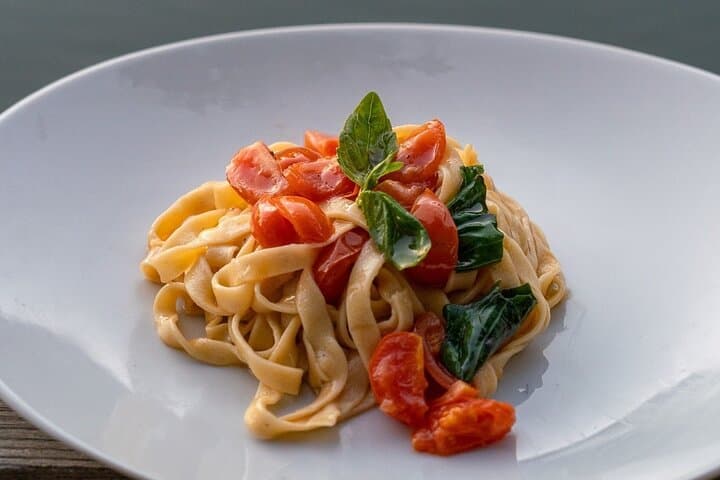
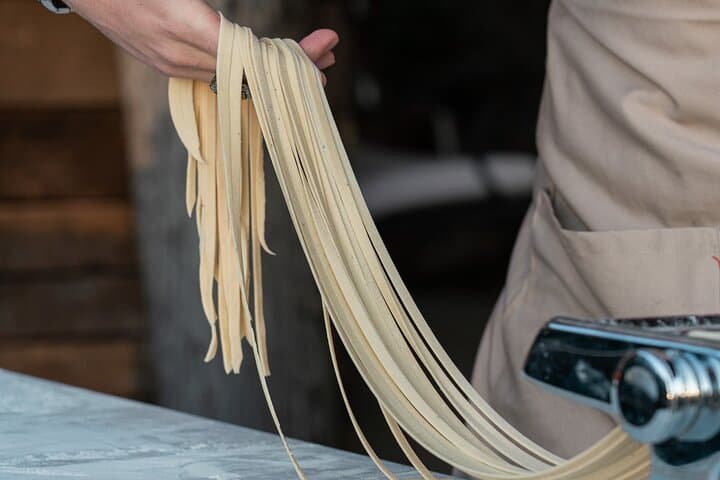
This morning class traces the practical arc of Tuscan home cooking: regional pici from Siena made with a garlicky aglione, ribboned tagliatelle folded around mushrooms and sausage, and potato-filled tortelli that carry the slow-food logic of peasant ingenuity. Florence’s food culture grew from market stalls and convent kitchens; the city’s Renaissance wealth shifted ingredients, but the recipes kept the region’s emphasis on seasonality and restraint. Nearby markets and the Arno’s steady current quietly shape what lands on local tables.
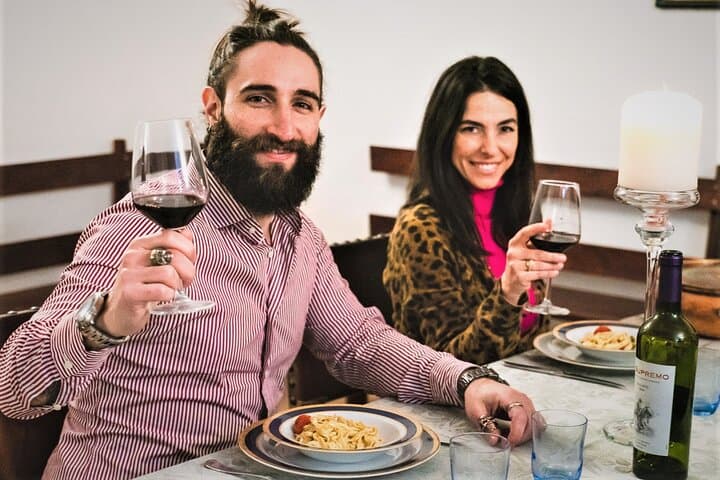
Expect hands-on instruction in a small group (up to eight), roughly four hours of demonstration and practice, then a shared lunch with three pastas, paired Chianti, and a homemade dessert. The class is wheelchair- and stroller-accessible and sits a short walk from public transport.
Practical notes: arrive on time, communicate dietary restrictions ahead of booking, and wear comfortable, easy-to-clean clothes — flour is part of the work. Bring a small appetite and a camera for the final plates. For travelers wanting a tighter connection to Florentine foodways, pair the class with a morning visit to Mercato Centrale beforehand to see the ingredients at source.
easy.
4–4.5 hours.
No special fitness required; suitable for most adults and older children who can stand for short periods
The experience runs about 4 to 4.5 hours, including hands-on pasta making and a communal lunch with wine pairings.
Hosts typically accommodate dietary restrictions if informed in advance—note them when booking so the chef can prepare alternatives.
The listed meeting point is in front of the statue of Dante Alighieri; from there you’ll be guided to the nearby tower house kitchen.
The venue notes wheelchair and stroller accessibility, but if you have specific mobility needs it’s best to confirm before booking.
Florentine cuisine grew from market trade and convent kitchens; many pasta forms reflect regional peasant techniques refined over centuries.
Classes favor local, seasonal ingredients—minimizing food miles—and many small kitchens practice portion control and composting to reduce waste.
home cooking tours operates guided outdoor trips and adventures with an emphasis on safety, stewardship, and memorable experiences.
The meeting point is in front of the statue of Dante, sunlight hitting the piazza and the city already smelling of espresso and fresh bread. From there the group slips into a narrow lane and climbs into an old tower house converted to a modern kitchen — stone walls that still remember centuries of family meals now hum with the chatter of rolling pins and simmering sauce.
The meeting point is in front of the statue of Dante, sunlight hitting the piazza and the city already smelling of espresso and fresh bread. From there the group slips into a narrow lane and climbs into an old tower house converted to a modern kitchen — stone walls that still remember centuries of family meals now hum with the chatter of rolling pins and simmering sauce.
This morning class traces the practical arc of Tuscan home cooking: regional pici from Siena made with a garlicky aglione, ribboned tagliatelle folded around mushrooms and sausage, and potato-filled tortelli that carry the slow-food logic of peasant ingenuity. Florence’s food culture grew from market stalls and convent kitchens; the city’s Renaissance wealth shifted ingredients, but the recipes kept the region’s emphasis on seasonality and restraint. Nearby markets and the Arno’s steady current quietly shape what lands on local tables.
Expect hands-on instruction in a small group (up to eight), roughly four hours of demonstration and practice, then a shared lunch with three pastas, paired Chianti, and a homemade dessert. The class is wheelchair- and stroller-accessible and sits a short walk from public transport.
Practical notes: arrive on time, communicate dietary restrictions ahead of booking, and wear comfortable, easy-to-clean clothes — flour is part of the work. Bring a small appetite and a camera for the final plates. For travelers wanting a tighter connection to Florentine foodways, pair the class with a morning visit to Mercato Centrale beforehand to see the ingredients at source.