THE ADVENTURE COLLECTIVE® · Independent discovery and booking for outdoor travel

Walk Sant'Ambrogio's working market and family shops on a private 2–3 hour tasting tour of Florentine flavors. Sample olive oil, balsamic, cheeses, cured meats and gelato while learning the city's culinary history and market traditions.
Walk Sant'Ambrogio's working market and family shops on a private 2–3 hour tasting tour of Florentine flavors. Sample olive oil, balsamic, cheeses, cured meats and gelato while learning the city's culinary history and market traditions.
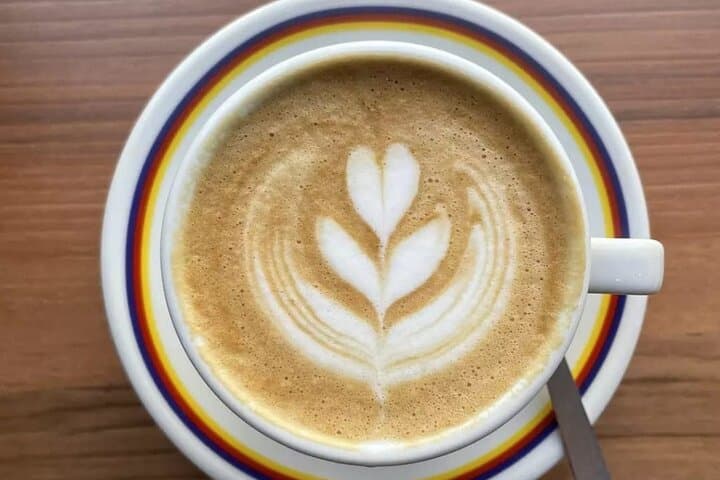
You step off a narrow cobblestone lane and the city exhales—steam from an espresso bar, the salt-and-sea tang from a fishmonger, the warm, nutty pull of freshly baked cantucci. The walk begins where Florentines still shop: Sant'Ambrogio’s market stalls and family-run shops, streets that hum with purpose rather than performance.
Verified experiences and guided adventures in the surrounding area.
Operated by Tuscany Flavor · Florence, Tuscany
You step off a narrow cobblestone lane and the city exhales—steam from an espresso bar, the salt-and-sea tang from a fishmonger, the warm, nutty pull of freshly baked cantucci. The walk begins where Florentines still shop: Sant'Ambrogio’s market stalls and family-run shops, streets that hum with purpose rather than performance.
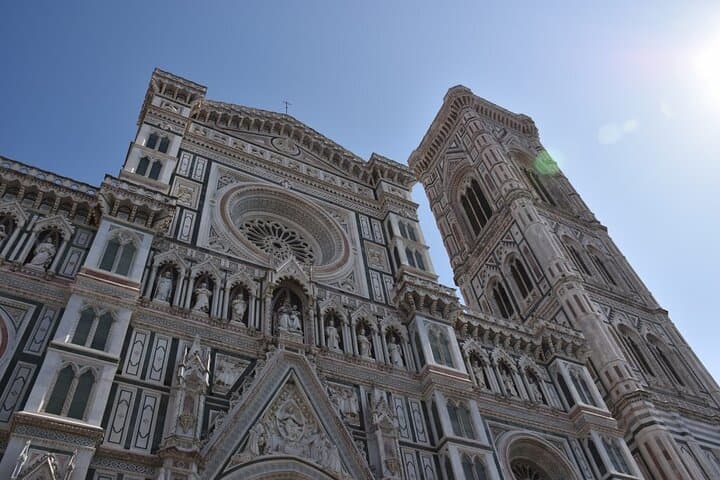
Florence’s food tells the same story as its stone: medieval guilds bred specialties, Renaissance patrons shaped taste, and simple peasant ingredients evolved into regional classics. The tour threads past the Duomo and San Lorenzo, where Medici patronage shaped both church and cuisine, and where the Arno’s alluvial plain once fed market gardens that still influence local produce.
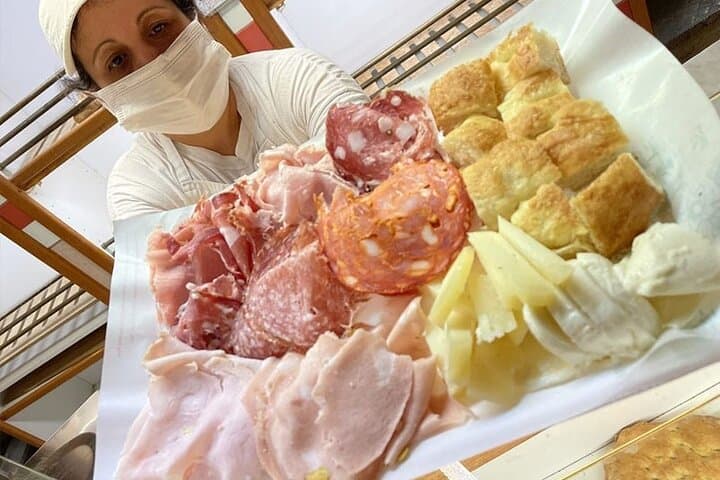
Expect structured tastings—olive oil pressed nearby, aged balsamic, pecorino and prosciutto from family cases, gelato cut with artisanal technique—and commentary that pairs each bite with cultural context. The market vendors are characters: fishermen who line up the morning catch, butchers who still use hand-scales; they’ll explain provenance and seasonality in plain terms.
Practical edge: shoes with solid soles for uneven cobbles, a small bottle for refills, and an appetite paced for multiple small tastings rather than a single sit-down meal. Timing matters—mornings catch the market at its liveliest; late afternoons are quieter but some vendors close early.
This private format offers flexibility for dietary needs and photography stops. Be ready to pay modestly for extra bottles you fall in love with; these tours aim to introduce you to makers more than feed you a full meal. Walk, taste, ask—Florence rewards curiosity.
easy.
2–3 hours.
Suitable for all fitness levels; involves 1–2 miles of walking on uneven cobbles and short standing tastings.
Yes—this private tour can adjust tastings for dietary needs if you notify the operator ahead of time through the booking question for special requirements.
The meeting point is in the Sant'Ambrogio neighborhood just outside the historic center; public transport and taxis serve the area, and most central hotels are a short walk away.
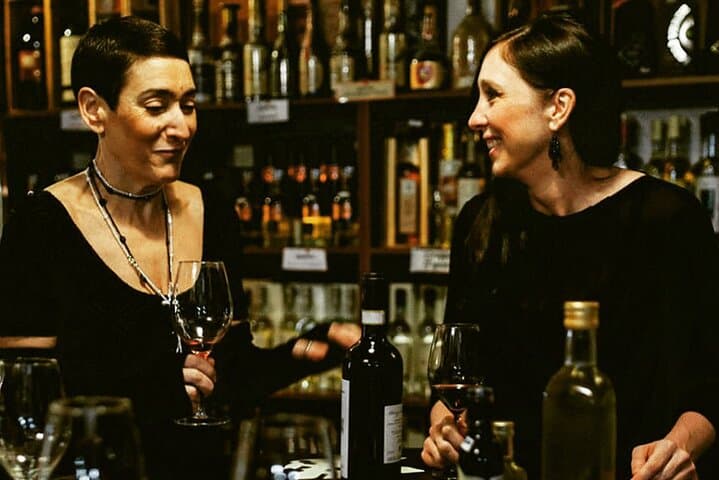
Wine and small portions are included as part of the curated tastings—these are sampling portions designed to showcase producers rather than replace a meal.
The listed tour is small-group/private with up to 10 on shared tours; contact the operator to arrange larger private groups or custom itineraries.
Florence’s market tradition dates to medieval guilds and the city’s role as a Renaissance center; many market recipes reflect centuries-old preservation and trade practices.
Support small producers by buying modest quantities directly from stallholders and bringing reusable bags; avoid single-use utensils and respect market pile limits to reduce food waste.
Tuscany Flavor operates guided outdoor trips and adventures with an emphasis on safety, stewardship, and memorable experiences.
You step off a narrow cobblestone lane and the city exhales—steam from an espresso bar, the salt-and-sea tang from a fishmonger, the warm, nutty pull of freshly baked cantucci. The walk begins where Florentines still shop: Sant'Ambrogio’s market stalls and family-run shops, streets that hum with purpose rather than performance.
You step off a narrow cobblestone lane and the city exhales—steam from an espresso bar, the salt-and-sea tang from a fishmonger, the warm, nutty pull of freshly baked cantucci. The walk begins where Florentines still shop: Sant'Ambrogio’s market stalls and family-run shops, streets that hum with purpose rather than performance.
Florence’s food tells the same story as its stone: medieval guilds bred specialties, Renaissance patrons shaped taste, and simple peasant ingredients evolved into regional classics. The tour threads past the Duomo and San Lorenzo, where Medici patronage shaped both church and cuisine, and where the Arno’s alluvial plain once fed market gardens that still influence local produce.
Expect structured tastings—olive oil pressed nearby, aged balsamic, pecorino and prosciutto from family cases, gelato cut with artisanal technique—and commentary that pairs each bite with cultural context. The market vendors are characters: fishermen who line up the morning catch, butchers who still use hand-scales; they’ll explain provenance and seasonality in plain terms.
Practical edge: shoes with solid soles for uneven cobbles, a small bottle for refills, and an appetite paced for multiple small tastings rather than a single sit-down meal. Timing matters—mornings catch the market at its liveliest; late afternoons are quieter but some vendors close early.
This private format offers flexibility for dietary needs and photography stops. Be ready to pay modestly for extra bottles you fall in love with; these tours aim to introduce you to makers more than feed you a full meal. Walk, taste, ask—Florence rewards curiosity.