THE ADVENTURE COLLECTIVE® · Independent discovery and booking for outdoor travel

Glide through Florence’s streets on a focused two-hour guided bike tour that balances cultural storytelling with practical navigation of cobbles, tramlines, and market squares. Perfect for travelers who want fast-moving context and a gelato finish.
Glide through Florence’s streets on a focused two-hour guided bike tour that balances cultural storytelling with practical navigation of cobbles, tramlines, and market squares. Perfect for travelers who want fast-moving context and a gelato finish.
Morning light splits across the Arno as your group pedals away from the Duomo—cobbles click beneath tires and the city’s layered history unfolds in stone and shadow. This two-hour guided ride threads narrow streets, riverfront promenades, and quieter lanes of the Oltrarno, offering a brisk, human-paced view of Florence that a bus window can’t match.
Verified experiences and guided adventures in the surrounding area.
Morning light splits across the Arno as your group pedals away from the Duomo—cobbles click beneath tires and the city’s layered history unfolds in stone and shadow. This two-hour guided ride threads narrow streets, riverfront promenades, and quieter lanes of the Oltrarno, offering a brisk, human-paced view of Florence that a bus window can’t match.
Florence grew wealthy on trade and banking; the Medici funded the art and architecture you pass. The Arno carved the basin that hosts the city, and the marble façades and terracotta roofs tell a geology of quarry, kiln, and craft. Guides typically weave quick cultural context—how towers were competitive status symbols, why piazzas formed community centers, and where guilds kept their workshops.
Expect a mix of surface: paved roads, short cobbled stretches and pedestrian zones. Traffic is managed but present; trams and delivery vans demand attention. The tour often ends with a local gelato stop—both a cultural ritual and a handy sugar recharge.
Practical guidance: the route is about 6–10 km with negligible elevation; allow two hours including stops. Wear closed-toe shoes and be ready to dismount for very narrow alleys and heavy pedestrian zones. Bring a small daypack with water and a light layer for spring or evening chills. Helmets may be provided—ask when booking—but bringing your own ensures fit. Mid-morning or late afternoon departures reduce heat and midday crowds. Keep valuables secure; popular routes attract pickpockets. Ride with respect for locals: follow bike lanes, yield to pedestrians, and leave no trace—Florence stays welcoming when visitors do.
easy.
2 hours.
Light-moderate fitness: you should be comfortable cycling for 2 hours with brief stops and able to handle short bursts of city traffic.
The tour covers approximately 6–10 km over two hours with frequent stops for commentary and photos; pace is gentle and set for the group.
Many operators supply helmets, but availability can vary—bring your own for best fit and hygiene if you prefer.
Yes for older children and confident beginners; riders should be comfortable balancing and braking in mixed-traffic conditions.
Most tours start near central landmarks such as the Duomo or Piazza Signoria and finish nearby, often ending at a gelateria in Oltrarno or along the river.
Florence rose to prominence in the Middle Ages and became the cradle of the Renaissance under Medici patronage; many streets trace medieval trade routes.
Ride on marked lanes, avoid disturbing historic fabric, and carry out any waste—sustainable tourism helps preserve Florence’s narrow streets and delicate monuments.
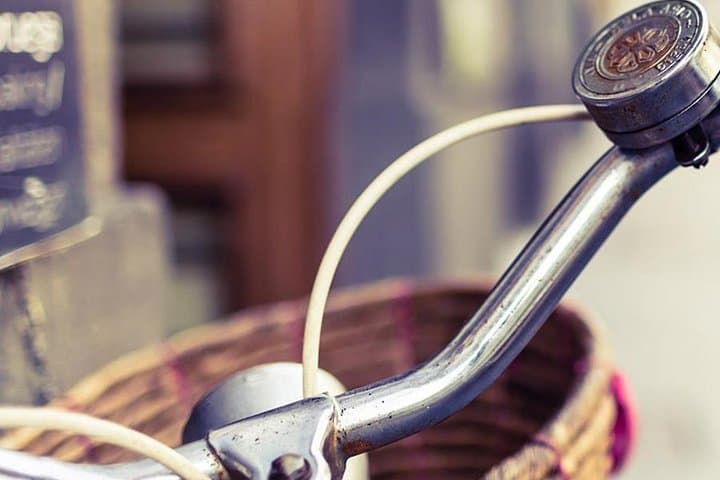
Morning light splits across the Arno as your group pedals away from the Duomo—cobbles click beneath tires and the city’s layered history unfolds in stone and shadow. This two-hour guided ride threads narrow streets, riverfront promenades, and quieter lanes of the Oltrarno, offering a brisk, human-paced view of Florence that a bus window can’t match.
Morning light splits across the Arno as your group pedals away from the Duomo—cobbles click beneath tires and the city’s layered history unfolds in stone and shadow. This two-hour guided ride threads narrow streets, riverfront promenades, and quieter lanes of the Oltrarno, offering a brisk, human-paced view of Florence that a bus window can’t match.
Florence grew wealthy on trade and banking; the Medici funded the art and architecture you pass. The Arno carved the basin that hosts the city, and the marble façades and terracotta roofs tell a geology of quarry, kiln, and craft. Guides typically weave quick cultural context—how towers were competitive status symbols, why piazzas formed community centers, and where guilds kept their workshops.
Expect a mix of surface: paved roads, short cobbled stretches and pedestrian zones. Traffic is managed but present; trams and delivery vans demand attention. The tour often ends with a local gelato stop—both a cultural ritual and a handy sugar recharge.
Practical guidance: the route is about 6–10 km with negligible elevation; allow two hours including stops. Wear closed-toe shoes and be ready to dismount for very narrow alleys and heavy pedestrian zones. Bring a small daypack with water and a light layer for spring or evening chills. Helmets may be provided—ask when booking—but bringing your own ensures fit. Mid-morning or late afternoon departures reduce heat and midday crowds. Keep valuables secure; popular routes attract pickpockets. Ride with respect for locals: follow bike lanes, yield to pedestrians, and leave no trace—Florence stays welcoming when visitors do.