THE ADVENTURE COLLECTIVE® · Independent discovery and booking for outdoor travel

A single-day, private itinerary that pairs Florence’s Renaissance art with Pisa’s compact monuments. Expect long urban walks, train travel, and carefully timed visits to major piazzas and viewpoints.
A single-day, private itinerary that pairs Florence’s Renaissance art with Pisa’s compact monuments. Expect long urban walks, train travel, and carefully timed visits to major piazzas and viewpoints.
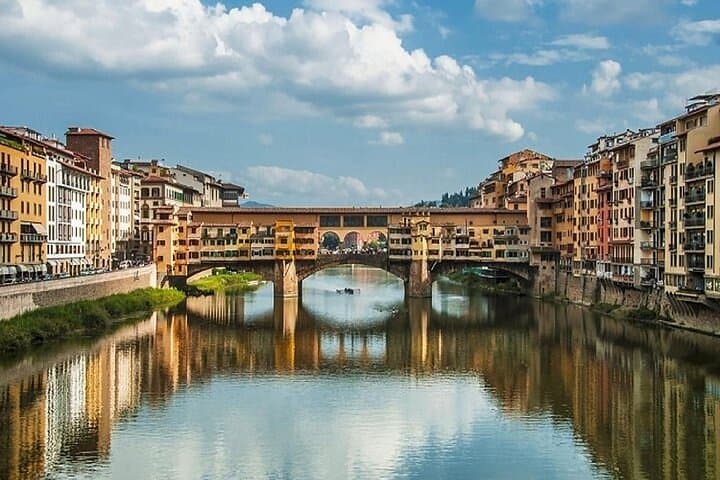
You step off the train into Florence’s station and the city folds open: a tight weave of stone alleys, the cathedral’s dome cresting the skyline, and the Arno threading the town like a silver dare. The day moves at street-level tempo—espresso stops, quick museum glimpses, and a slow arc across the Ponte Vecchio where shopfronts glow against the river.
Verified experiences and guided adventures in the surrounding area.
Operated by ROMAETRAVEL · Florence, Tuscany
You step off the train into Florence’s station and the city folds open: a tight weave of stone alleys, the cathedral’s dome cresting the skyline, and the Arno threading the town like a silver dare. The day moves at street-level tempo—espresso stops, quick museum glimpses, and a slow arc across the Ponte Vecchio where shopfronts glow against the river.
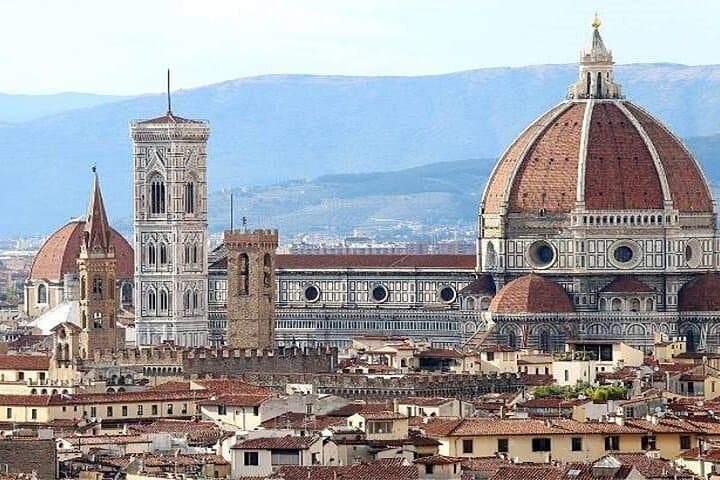
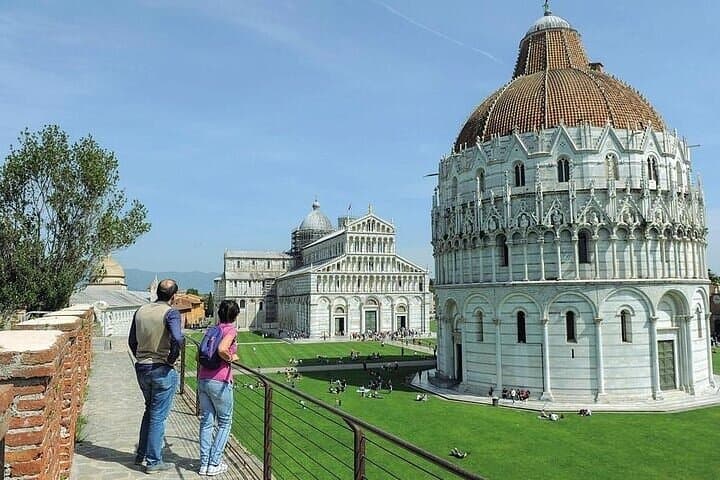
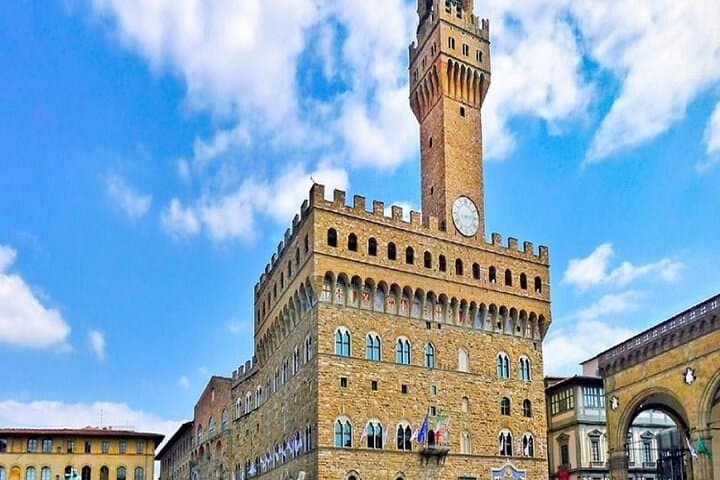
Florence, the cradle of the Renaissance, presents architecture and art that changed Europe: Brunelleschi’s dome dominates Santa Maria del Fiore while Palazzo Vecchio marks the civic heart. Pisa offers a different history—maritime power and Romanesque elegance concentrated in the compact Piazza dei Miracoli, where the Leaning Tower remains an engineering story in plain sight.
Expect cobbled streets, short uphill approaches to viewpoints, and crowds that swell around major monuments. The Arno can feel mischievous, pushing reflections under the bridges, while piazzas insist you pause and watch local life. Cultural notes: Florence’s artisan workshops in the Oltrarno still practice centuries-old crafts; Pisa’s Campo Santo holds frescoes that recall medieval belief and maritime wealth.
Practical guidance: this is a full, long day—plan for roughly 12 hours from Rome, bring comfortable walking shoes, a refillable bottle, and a light rain layer. Train tickets are typically provided (second class) and you’ll receive pickup/train details in advance. To make the most of the itinerary, prioritize a few key stops rather than trying to see every site; book monument admissions in advance if you want inside access.
easy.
12 hours.
Basic walking fitness—able to handle several hours of urban walking and short stair climbs.
Yes—this tour commonly includes second-class train tickets; you should receive them by email the day before departure.
Monument admissions are typically not included; check availability and book in advance if you want to enter the dome or climb the Leaning Tower.
Pickup is often offered if your accommodation is inside the Aurelian Walls; confirm your pickup point when booking and provide full address details.
Expect several hours of walking on paved and cobbled streets with short uphill sections to viewpoints; fitness requirements are minimal but you should be comfortable on foot.
Florence was the epicenter of the Renaissance, home to artists like Michelangelo and Brunelleschi; Pisa was a powerful maritime republic whose wealth financed its monumental complex.
High visitation pressures mean sites enforce strict preservation rules; travel by train where possible, follow signage, and avoid touching frescoes or sculptures to reduce wear.
ROMAETRAVEL operates guided outdoor trips and adventures with an emphasis on safety, stewardship, and memorable experiences.
You step off the train into Florence’s station and the city folds open: a tight weave of stone alleys, the cathedral’s dome cresting the skyline, and the Arno threading the town like a silver dare. The day moves at street-level tempo—espresso stops, quick museum glimpses, and a slow arc across the Ponte Vecchio where shopfronts glow against the river.
You step off the train into Florence’s station and the city folds open: a tight weave of stone alleys, the cathedral’s dome cresting the skyline, and the Arno threading the town like a silver dare. The day moves at street-level tempo—espresso stops, quick museum glimpses, and a slow arc across the Ponte Vecchio where shopfronts glow against the river.
Florence, the cradle of the Renaissance, presents architecture and art that changed Europe: Brunelleschi’s dome dominates Santa Maria del Fiore while Palazzo Vecchio marks the civic heart. Pisa offers a different history—maritime power and Romanesque elegance concentrated in the compact Piazza dei Miracoli, where the Leaning Tower remains an engineering story in plain sight.
Expect cobbled streets, short uphill approaches to viewpoints, and crowds that swell around major monuments. The Arno can feel mischievous, pushing reflections under the bridges, while piazzas insist you pause and watch local life. Cultural notes: Florence’s artisan workshops in the Oltrarno still practice centuries-old crafts; Pisa’s Campo Santo holds frescoes that recall medieval belief and maritime wealth.
Practical guidance: this is a full, long day—plan for roughly 12 hours from Rome, bring comfortable walking shoes, a refillable bottle, and a light rain layer. Train tickets are typically provided (second class) and you’ll receive pickup/train details in advance. To make the most of the itinerary, prioritize a few key stops rather than trying to see every site; book monument admissions in advance if you want inside access.