THE ADVENTURE COLLECTIVE® · Independent discovery and booking for outdoor travel

Experience private floatation therapy in central Brussels: a salty, sensory-reduced session that removes weight and noise so you can relax into a gravity‑less state. Book a 90–120 minute slot and pair it with nearby museums or park strolls.
Experience private floatation therapy in central Brussels: a salty, sensory-reduced session that removes weight and noise so you can relax into a gravity‑less state. Book a 90–120 minute slot and pair it with nearby museums or park strolls.
You step from Brussels’ cobbled streets into a dim room warmed by the faint scent of essential oils, and the outside city thins to a murmur. A private float room waits: a shallow tub saturated with Epsom salts, its surface steady and mirror-smooth. Lie back, and buoyancy takes over — weight slips away, and the room’s hush draws focus inward until the experience feels like drifting above the city, a personal sea of clouds.
Verified experiences and guided adventures in the surrounding area.
Operated by Sea of Clouds - Brussels · Brussels, Brussels
You step from Brussels’ cobbled streets into a dim room warmed by the faint scent of essential oils, and the outside city thins to a murmur. A private float room waits: a shallow tub saturated with Epsom salts, its surface steady and mirror-smooth. Lie back, and buoyancy takes over — weight slips away, and the room’s hush draws focus inward until the experience feels like drifting above the city, a personal sea of clouds.
Floatation therapy traces to mid-20th-century neuroscience experiments; modern studios combine that research with spa techniques to deliver isolation, salt buoyancy and reduced sensory input. In Brussels, the practice sits amid a dense cultural landscape — Grand Place and the Royal Quarter are minutes away — so a session often pairs well with museum time or quiet park walks in the Parc de Bruxelles.
The physics are simple: a high-concentration magnesium-sulfate solution increases buoyancy (operators report floats 5–7x easier than even the Dead Sea), while soundproofing and controlled lighting reduce external stimuli. Privacy and cleanliness are industry standards here, and accessible facilities make sessions broadly available.
Practicalities: book a private 90–120 minute slot (10–15 minutes prep, 60–80 minutes float). Avoid heavy meals, alcohol and strong fragrances beforehand; hydrate lightly. Expect staff to brief you on ear protection, skin care post-float, and safe re-entry. The studio offers VIP sessions with an essential-oil shower and longer immersion.
For travelers, float therapy in Brussels is an urban pause — not strenuous, medically restorative for many, and easy to add into a cultural itinerary for a reset between galleries and cafés.
easy.
1.5–2 hours.
Suitable for most fitness levels — minimal physical effort required, but not recommended for uncontrolled epilepsy or certain medical conditions; check with your doctor if unsure.
Standard private bookings include 10–15 minutes prep and 60–80 minutes in the float room; total appointment time is typically 90–120 minutes.
Many people with mild claustrophobia find the experience manageable because the lid can be open and staff offer gradual introduction; severe claustrophobia should be discussed with staff beforehand.
The studio advises sessions are not recommended for children under 12; check the operator’s age policies and consider shorter, supervised experiences for teens.
Avoid heavy meals and alcohol; light hydration is fine. Consult staff and your physician about medications, especially those that cause dizziness.
Floatation therapy grew from mid-20th-century sensory-deprivation research (John C. Lilly) and has been adapted into urban wellness studios across Europe, including Brussels.
Operators typically filter and treat high-salinity water for reuse; visitors can help by rinsing off lotions and limiting product use to reduce water treatment needs.
Sea of Clouds - Brussels operates guided outdoor trips and adventures with an emphasis on safety, stewardship, and memorable experiences.

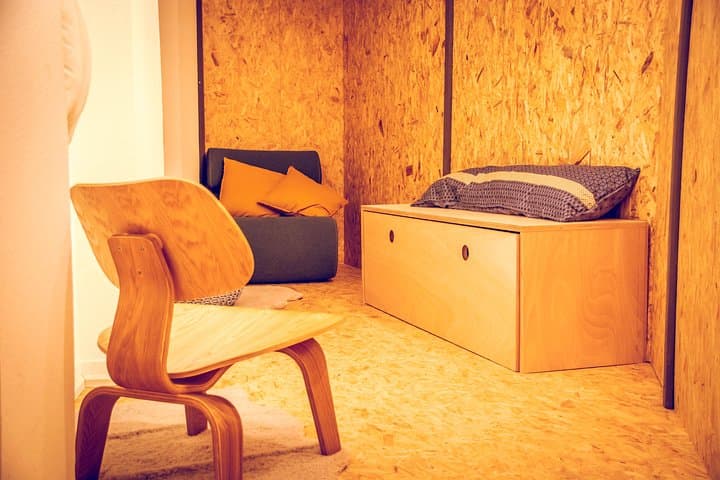

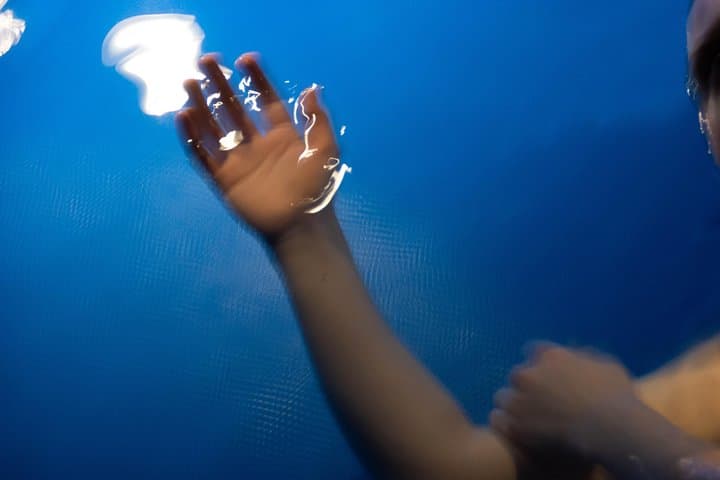
You step from Brussels’ cobbled streets into a dim room warmed by the faint scent of essential oils, and the outside city thins to a murmur. A private float room waits: a shallow tub saturated with Epsom salts, its surface steady and mirror-smooth. Lie back, and buoyancy takes over — weight slips away, and the room’s hush draws focus inward until the experience feels like drifting above the city, a personal sea of clouds.
You step from Brussels’ cobbled streets into a dim room warmed by the faint scent of essential oils, and the outside city thins to a murmur. A private float room waits: a shallow tub saturated with Epsom salts, its surface steady and mirror-smooth. Lie back, and buoyancy takes over — weight slips away, and the room’s hush draws focus inward until the experience feels like drifting above the city, a personal sea of clouds.
Floatation therapy traces to mid-20th-century neuroscience experiments; modern studios combine that research with spa techniques to deliver isolation, salt buoyancy and reduced sensory input. In Brussels, the practice sits amid a dense cultural landscape — Grand Place and the Royal Quarter are minutes away — so a session often pairs well with museum time or quiet park walks in the Parc de Bruxelles.
The physics are simple: a high-concentration magnesium-sulfate solution increases buoyancy (operators report floats 5–7x easier than even the Dead Sea), while soundproofing and controlled lighting reduce external stimuli. Privacy and cleanliness are industry standards here, and accessible facilities make sessions broadly available.
Practicalities: book a private 90–120 minute slot (10–15 minutes prep, 60–80 minutes float). Avoid heavy meals, alcohol and strong fragrances beforehand; hydrate lightly. Expect staff to brief you on ear protection, skin care post-float, and safe re-entry. The studio offers VIP sessions with an essential-oil shower and longer immersion.
For travelers, float therapy in Brussels is an urban pause — not strenuous, medically restorative for many, and easy to add into a cultural itinerary for a reset between galleries and cafés.