THE ADVENTURE COLLECTIVE® · Independent discovery and booking for outdoor travel

Float in the world’s lowest lake, smear on mineral-rich Dead Sea mud and take in stark Judean Hills scenery on a full-day trip from Tel Aviv. This guide explains what to expect, why the water floats you, and practical tips to stay comfortable and safe.
Float in the world’s lowest lake, smear on mineral-rich Dead Sea mud and take in stark Judean Hills scenery on a full-day trip from Tel Aviv. This guide explains what to expect, why the water floats you, and practical tips to stay comfortable and safe.
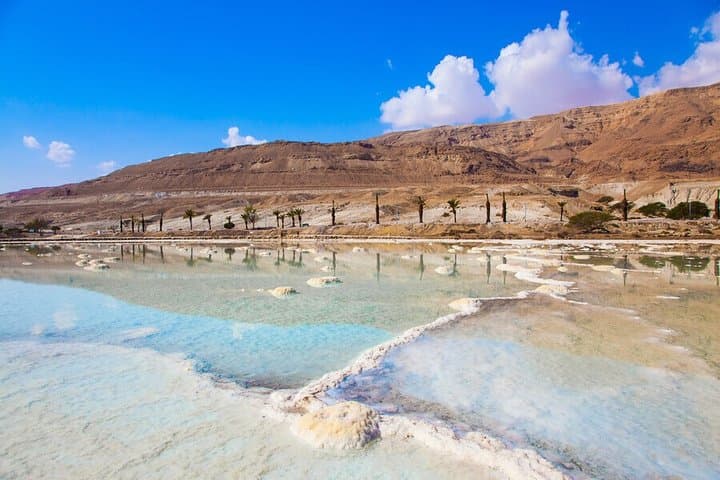
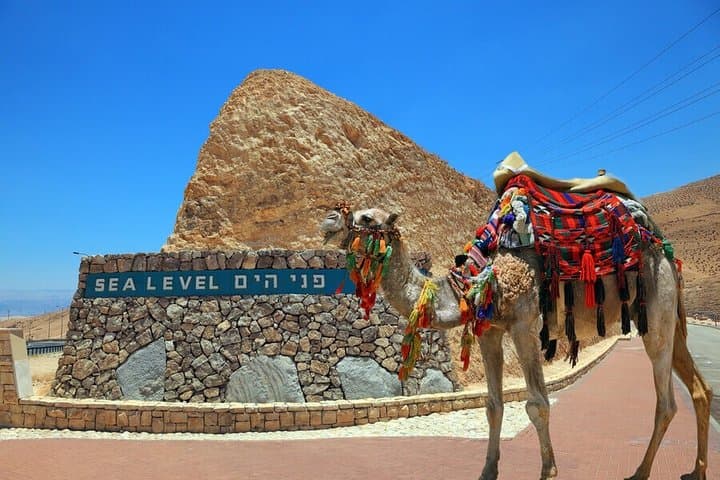
A low sun slants across mineral flats as the bus eases out of the Judean Hills and the landscape opens to the Dead Sea’s wide, glassy surface. Visitors step onto a shoreline that sits roughly 430 meters below sea level — the planet’s lowest exposed elevation — and are met by air that tastes faintly of salt and a wind that seems to push toward the water.
Verified experiences and guided adventures in the surrounding area.
Operated by Bein Harim Ltd · Ein Bokek, Jerusalem District
A low sun slants across mineral flats as the bus eases out of the Judean Hills and the landscape opens to the Dead Sea’s wide, glassy surface. Visitors step onto a shoreline that sits roughly 430 meters below sea level — the planet’s lowest exposed elevation — and are met by air that tastes faintly of salt and a wind that seems to push toward the water.
Geology here is blunt and honest: steep limestone ridges fall into hypersaline basins whose concentrated salts and minerals give the water its famous buoyancy. The same salts and clays have drawn people for millennia; nearby archaeological sites and carved terraces tell of Roman and biblical-era uses of the coast for salt, trade and refuge.
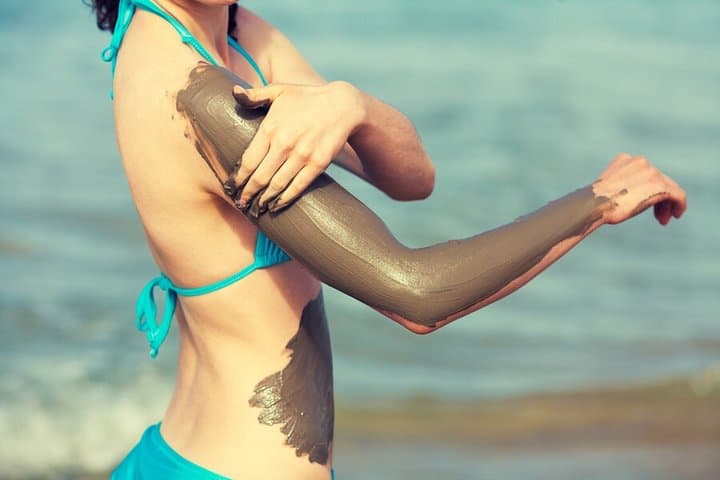
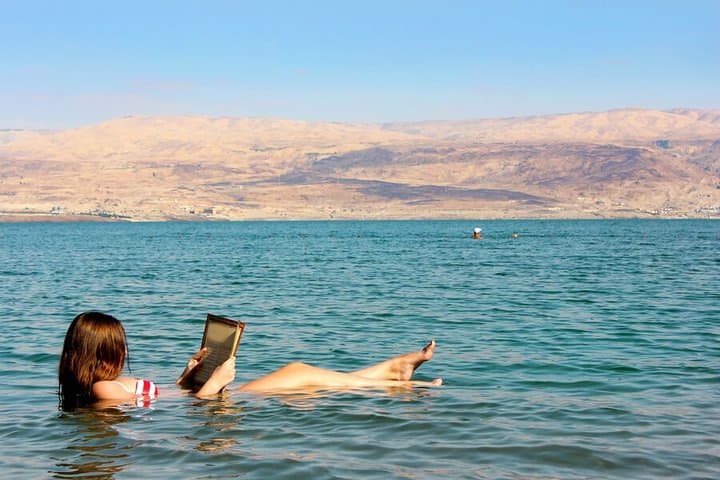
On a day trip from Tel Aviv expect a 1.5–2 hour drive, time on a well-facilitated shoreline, and supervised access to mud and bathing areas. Floating is immediate and strange — the water holds you in place; covering skin with black Dead Sea mud feels gritty and cooling and is said to soothe sun-exposed skin thanks to its magnesium- and potassium-rich composition.
Practicalities: avoid open cuts, limit immersion to short sessions to prevent skin irritation, and rinse thoroughly at freshwater showers before re-entering the vehicle. Sun is intense at the basin; schedule mornings or late afternoons in summer and bring layered clothing for breezy evenings.
The trip is simple, sensory and restorative: a geological oddity that doubles as a practical spa, best approached with sunscreen, hydration and respect for a landscape that is changing fast.
easy.
10 hours.
Minimal fitness required; able to board a coach and walk short distances on uneven shore.
Yes — the salinity makes floating easy for most people, but children under 4 and people with open wounds or severe skin conditions should avoid immersion.
Many visitors report softer skin after using the mud; it contains minerals like magnesium and potassium, though benefits vary by individual.
Most well-facilitated shores include restrooms, changing areas and freshwater showers; check the specific site included in your tour.
Short sessions of 10–20 minutes are typical to avoid skin irritation; rinse frequently and limit total immersion time, especially on first visits.
The Dead Sea shoreline has been used for salt extraction, trade and health since ancient times and appears in several historical and biblical sources.
Water levels are falling due to diversion from inflowing rivers and regional use; stick to designated beaches, avoid introducing detergents, and support local conservation initiatives.
Bein Harim Ltd operates guided outdoor trips and adventures with an emphasis on safety, stewardship, and memorable experiences.
A low sun slants across mineral flats as the bus eases out of the Judean Hills and the landscape opens to the Dead Sea’s wide, glassy surface. Visitors step onto a shoreline that sits roughly 430 meters below sea level — the planet’s lowest exposed elevation — and are met by air that tastes faintly of salt and a wind that seems to push toward the water.
A low sun slants across mineral flats as the bus eases out of the Judean Hills and the landscape opens to the Dead Sea’s wide, glassy surface. Visitors step onto a shoreline that sits roughly 430 meters below sea level — the planet’s lowest exposed elevation — and are met by air that tastes faintly of salt and a wind that seems to push toward the water.
Geology here is blunt and honest: steep limestone ridges fall into hypersaline basins whose concentrated salts and minerals give the water its famous buoyancy. The same salts and clays have drawn people for millennia; nearby archaeological sites and carved terraces tell of Roman and biblical-era uses of the coast for salt, trade and refuge.
On a day trip from Tel Aviv expect a 1.5–2 hour drive, time on a well-facilitated shoreline, and supervised access to mud and bathing areas. Floating is immediate and strange — the water holds you in place; covering skin with black Dead Sea mud feels gritty and cooling and is said to soothe sun-exposed skin thanks to its magnesium- and potassium-rich composition.
Practicalities: avoid open cuts, limit immersion to short sessions to prevent skin irritation, and rinse thoroughly at freshwater showers before re-entering the vehicle. Sun is intense at the basin; schedule mornings or late afternoons in summer and bring layered clothing for breezy evenings.
The trip is simple, sensory and restorative: a geological oddity that doubles as a practical spa, best approached with sunscreen, hydration and respect for a landscape that is changing fast.