THE ADVENTURE COLLECTIVE® · Independent discovery and booking for outdoor travel

Float effortlessly on water denser than anyone expects and rub mineral-rich mud into sun-warmed skin on a full-day escape from Tel Aviv. This guided day trip blends easy, memorable experiences with stark desert geology and local history.
Float effortlessly on water denser than anyone expects and rub mineral-rich mud into sun-warmed skin on a full-day escape from Tel Aviv. This guided day trip blends easy, memorable experiences with stark desert geology and local history.
A pale strip of shoreline unfolds beneath a high desert sky as the minibus eases to a stop at the Dead Sea. Salt crystals glitter at the waterline and the air tastes faintly metallic; people step in gingerly, then let the buoyant water do the work — the body tilts, the current refuses, and the lake holds you like a slow, saline cradle.
Verified experiences and guided adventures in the surrounding area.
Operated by Abraham Tlalim Tours LTD · Ein Bokek, Southern District
A pale strip of shoreline unfolds beneath a high desert sky as the minibus eases to a stop at the Dead Sea. Salt crystals glitter at the waterline and the air tastes faintly metallic; people step in gingerly, then let the buoyant water do the work — the body tilts, the current refuses, and the lake holds you like a slow, saline cradle.
This stretch of water sits over 430 meters below sea level, carved by tectonics and climate. For millennia locals harvested salts and balms, early civilizations prized the mineral mud for skin treatments, and nearby sites such as Masada and Qumran anchor the area’s layered history. Geologically, the basin is shrinking rapidly as inflows decline and evaporation continues — a visible reminder of regional water stress.
On a day trip from Tel Aviv visitors spend several hours floating, mud-painting, and walking short boardwalk trails that reveal brine pools and salt formations. Expect warm, dry air, strong sun, and easy, flat terrain around the entry points. Staff briefings cover safe floating and skincare; lifeguards are sometimes present at popular beaches.
Practical notes: arrive in swimwear under light clothes, apply reef-safe sunscreen, drink plenty of fresh water, and rinse thoroughly after the mud to avoid prolonged salt irritation. Towels are often rentable if you don’t want to carry one. Time your visit for morning or late afternoon to avoid the peak heat and capture long, golden light over the Judean Hills.
easy.
8 hours (full-day).
Minimal fitness required; suitable for most travelers who can enter and exit shallow shorelines
Yes — the high salinity makes floating easy; however avoid swallowing water, keep your head back to prevent eye irritation, and follow site lifeguard or guide instructions.
Most beaches permit mud application and it's safe for most skin types; rinse well afterward and avoid if you have open wounds or sensitive skin.
Many public and resort beaches offer showers and changing areas; towels can often be rented locally (the tour notes rental availability and typical small fee).
This tour description indicates admission is included; check your booking confirmation for specifics and any optional extras such as towel rental.
The Dead Sea region has been exploited for salts and balms since antiquity and sits near Israel’s historical sites like Masada and Qumran, where ancient texts were found.
Water diversion and climate pressures are lowering lake levels about a meter per year; visitors are encouraged to minimize freshwater use and avoid disturbing fragile salt formations.
Abraham Tlalim Tours LTD operates guided outdoor trips and adventures with an emphasis on safety, stewardship, and memorable experiences.
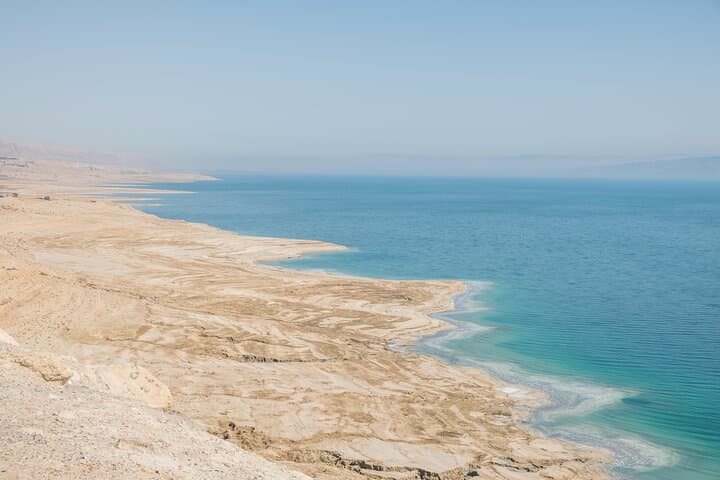
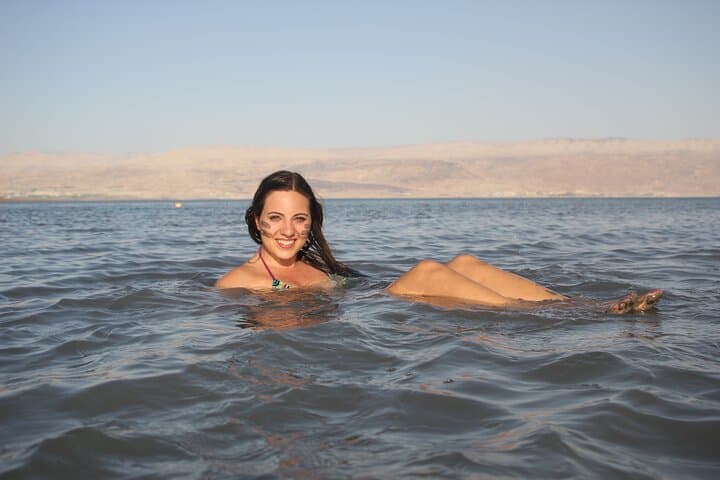
A pale strip of shoreline unfolds beneath a high desert sky as the minibus eases to a stop at the Dead Sea. Salt crystals glitter at the waterline and the air tastes faintly metallic; people step in gingerly, then let the buoyant water do the work — the body tilts, the current refuses, and the lake holds you like a slow, saline cradle.
A pale strip of shoreline unfolds beneath a high desert sky as the minibus eases to a stop at the Dead Sea. Salt crystals glitter at the waterline and the air tastes faintly metallic; people step in gingerly, then let the buoyant water do the work — the body tilts, the current refuses, and the lake holds you like a slow, saline cradle.
This stretch of water sits over 430 meters below sea level, carved by tectonics and climate. For millennia locals harvested salts and balms, early civilizations prized the mineral mud for skin treatments, and nearby sites such as Masada and Qumran anchor the area’s layered history. Geologically, the basin is shrinking rapidly as inflows decline and evaporation continues — a visible reminder of regional water stress.
On a day trip from Tel Aviv visitors spend several hours floating, mud-painting, and walking short boardwalk trails that reveal brine pools and salt formations. Expect warm, dry air, strong sun, and easy, flat terrain around the entry points. Staff briefings cover safe floating and skincare; lifeguards are sometimes present at popular beaches.
Practical notes: arrive in swimwear under light clothes, apply reef-safe sunscreen, drink plenty of fresh water, and rinse thoroughly after the mud to avoid prolonged salt irritation. Towels are often rentable if you don’t want to carry one. Time your visit for morning or late afternoon to avoid the peak heat and capture long, golden light over the Judean Hills.