THE ADVENTURE COLLECTIVE® · Independent discovery and booking for outdoor travel

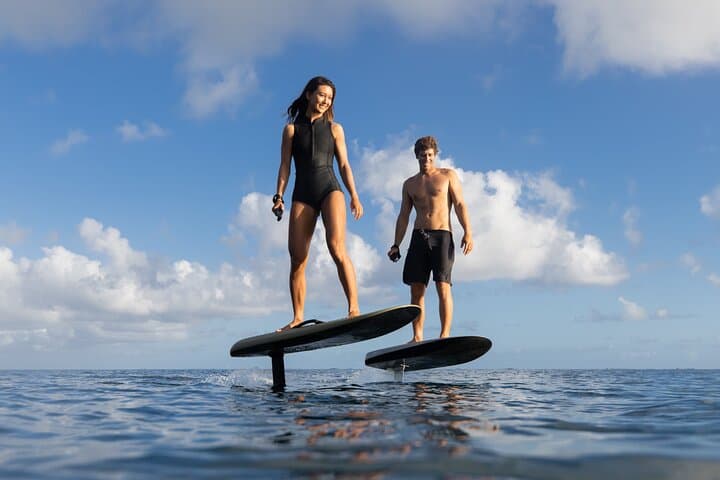
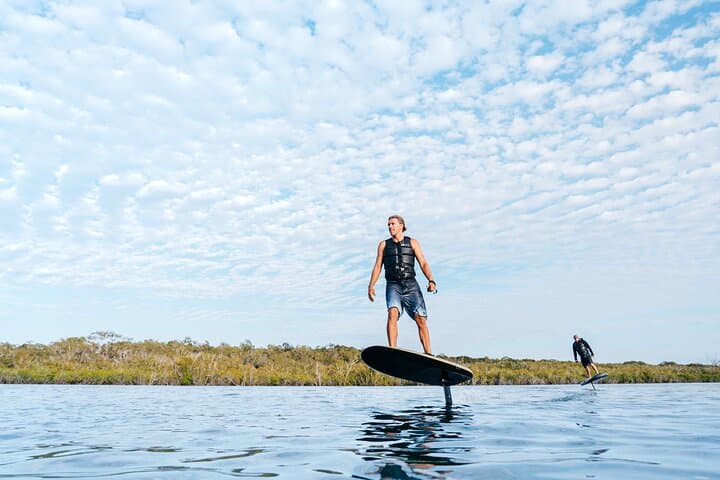
Learn to efoil on a sheltered stretch of the Noosa River with world-class Fliteboards and an instructor-led 1.5 hour lesson. Expect a quiet electric glide, fast progression from kneeling to standing, and chances to spot dolphins near the estuary.
Learn to efoil on a sheltered stretch of the Noosa River with world-class Fliteboards and an instructor-led 1.5 hour lesson. Expect a quiet electric glide, fast progression from kneeling to standing, and chances to spot dolphins near the estuary.
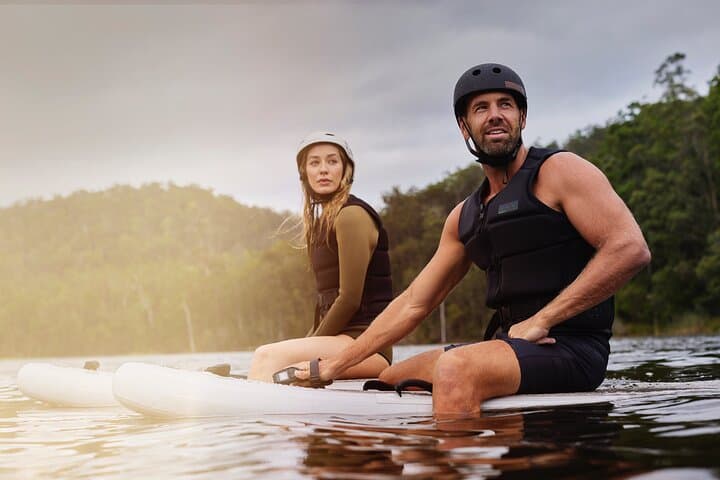
The jetty smells of salt and warm wood as instructors fit helmets and lifejackets beneath a blue-and-white kiosk at Jetty 172. Within minutes you’re on a shallow river that opens into a wide estuary, the Fliteboard’s electric hum barely more than a whisper as the foil lifts and the water seems to decide to carry you.
Verified experiences and guided adventures in the surrounding area.
Operated by Fliteschool Noosa · Noosa Heads, Queensland
The jetty smells of salt and warm wood as instructors fit helmets and lifejackets beneath a blue-and-white kiosk at Jetty 172. Within minutes you’re on a shallow river that opens into a wide estuary, the Fliteboard’s electric hum barely more than a whisper as the foil lifts and the water seems to decide to carry you.
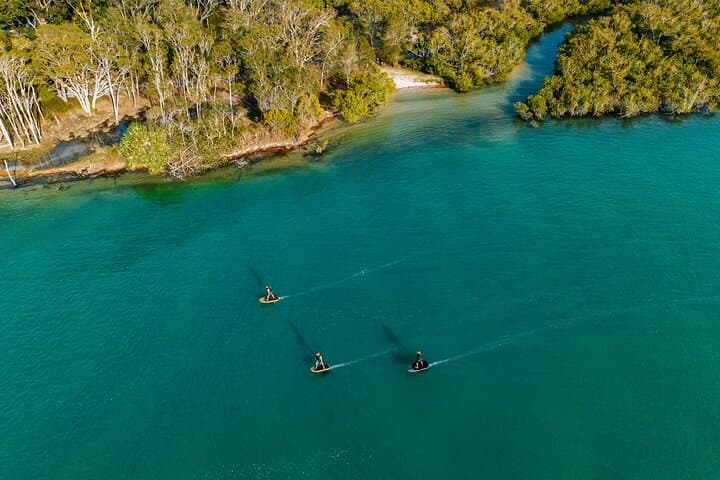
Noosa sits on the north edge of the Sunshine Coast, carved by coastal processes that built the Great Sandy National Park’s dunes and the river channel you learn on. This stretch lies on the traditional lands of the Kabi Kabi (Gubbi Gubbi) people; local guides often point out cultural sites and explain how the river sustained communities for millennia. Geologically, the area is defined by migrating sand masses and a sheltered estuary that produces long, glassy water perfect for learning to efoil.
The experience is a 1.5-hour, instructor-led lesson that includes a 15-minute safety briefing on the jetty and about 75 minutes on the water. You start kneeling or sitting, progress to low-stance riding and then standing as balance and confidence grow. Wildlife—dolphins, turtles and an array of shorebirds—frequently punctuate sessions, and calm mornings are the best bet for smooth flights.
Practical notes: arrive 15 minutes early, wear swimwear under provided wetsuits if needed, and expect a short walk from parking to the launch. The operator requires riders to be 15–110 kg and asks guests with heart conditions or pregnancy to refrain. If wind or rain picks up the school will cancel for safety—plan a morning slot for the calmest conditions.
moderate.
1.5–2 hours (including briefing).
Suitable for people with reasonable balance and mobility; basic core strength helps but no prior experience required.
No—you’ll receive step-by-step instruction starting from kneeling and sitting before progressing to standing; experienced riders get guided time and tips.
Meet at Jetty 172 by the blue-and-white striped building; the school launches from the back of the jetty—ask the front kiosk if unsure.
Participants must be at least 15 years old and weigh no more than 110 kg for safety and equipment limits.
Sessions can be canceled for high wind or unsafe conditions; the operator will refund cancellations made at least 24 hours prior or reschedule when possible.
The Noosa River and surrounding coast are on the traditional lands of the Kabi Kabi (Gubbi Gubbi) people; the area’s waterways have long supported Indigenous food and cultural practices.
Operators emphasize minimal disturbance to marine life; use reef-safe sunscreen and follow guides’ instructions to avoid stressing wildlife or sensitive habitats.
Fliteschool Noosa operates guided outdoor trips and adventures with an emphasis on safety, stewardship, and memorable experiences.
The jetty smells of salt and warm wood as instructors fit helmets and lifejackets beneath a blue-and-white kiosk at Jetty 172. Within minutes you’re on a shallow river that opens into a wide estuary, the Fliteboard’s electric hum barely more than a whisper as the foil lifts and the water seems to decide to carry you.
The jetty smells of salt and warm wood as instructors fit helmets and lifejackets beneath a blue-and-white kiosk at Jetty 172. Within minutes you’re on a shallow river that opens into a wide estuary, the Fliteboard’s electric hum barely more than a whisper as the foil lifts and the water seems to decide to carry you.
Noosa sits on the north edge of the Sunshine Coast, carved by coastal processes that built the Great Sandy National Park’s dunes and the river channel you learn on. This stretch lies on the traditional lands of the Kabi Kabi (Gubbi Gubbi) people; local guides often point out cultural sites and explain how the river sustained communities for millennia. Geologically, the area is defined by migrating sand masses and a sheltered estuary that produces long, glassy water perfect for learning to efoil.
The experience is a 1.5-hour, instructor-led lesson that includes a 15-minute safety briefing on the jetty and about 75 minutes on the water. You start kneeling or sitting, progress to low-stance riding and then standing as balance and confidence grow. Wildlife—dolphins, turtles and an array of shorebirds—frequently punctuate sessions, and calm mornings are the best bet for smooth flights.
Practical notes: arrive 15 minutes early, wear swimwear under provided wetsuits if needed, and expect a short walk from parking to the launch. The operator requires riders to be 15–110 kg and asks guests with heart conditions or pregnancy to refrain. If wind or rain picks up the school will cancel for safety—plan a morning slot for the calmest conditions.