THE ADVENTURE COLLECTIVE® · Independent discovery and booking for outdoor travel

Climb into a small plane at Skaftafell and spend 50 minutes tracing glaciers, glacial lakes and the explosive scars of the Laki fissure from the air. This compact flight puts Vatnajökull’s ice and Laki’s volcanic history into dramatic perspective.
Climb into a small plane at Skaftafell and spend 50 minutes tracing glaciers, glacial lakes and the explosive scars of the Laki fissure from the air. This compact flight puts Vatnajökull’s ice and Laki’s volcanic history into dramatic perspective.
You taxi onto the short runway at Skaftafell, the little Cessna breathing steam as the pilot checks gauges. Within minutes the coast dissolves beneath you and the plane climbs toward a hard, high-white horizon: Skeiðarárjökull pushing like a living glacier out from Vatnajökull. The ice sheet spreads below—crevasses yawning, moulins glittering—then the land opens into black basalt and ragged scars where the Lakagígar fissure runs like an inked seam across the earth.
Verified experiences and guided adventures in the surrounding area.
Operated by Atlantsflug/Flightseeing · Skaftafell, Southern Region
You taxi onto the short runway at Skaftafell, the little Cessna breathing steam as the pilot checks gauges. Within minutes the coast dissolves beneath you and the plane climbs toward a hard, high-white horizon: Skeiðarárjökull pushing like a living glacier out from Vatnajökull. The ice sheet spreads below—crevasses yawning, moulins glittering—then the land opens into black basalt and ragged scars where the Lakagígar fissure runs like an inked seam across the earth.
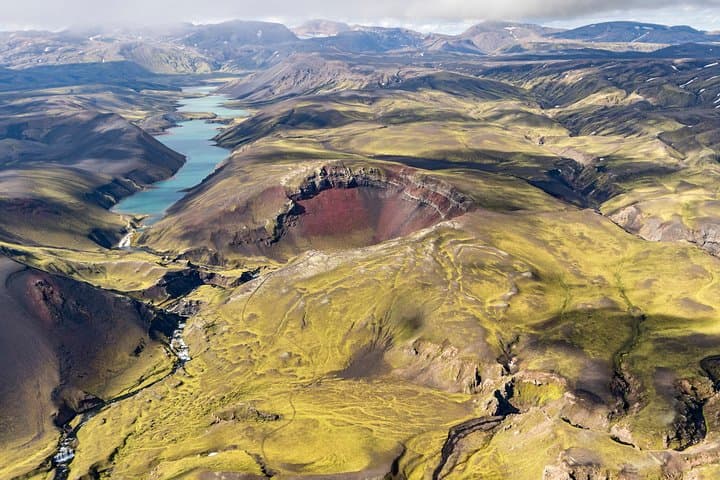
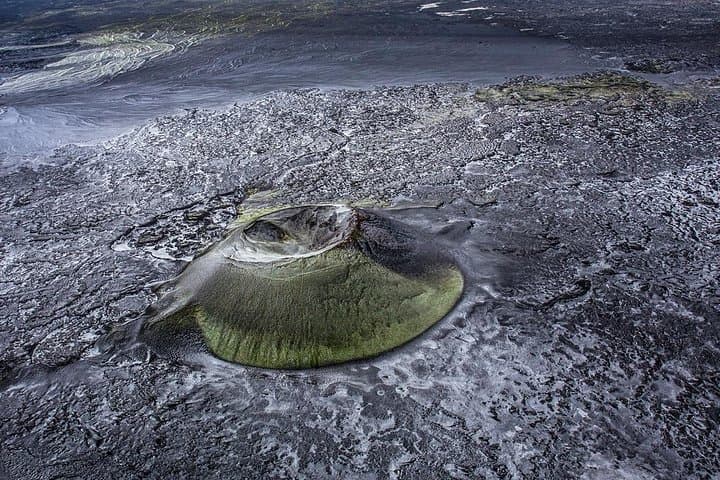
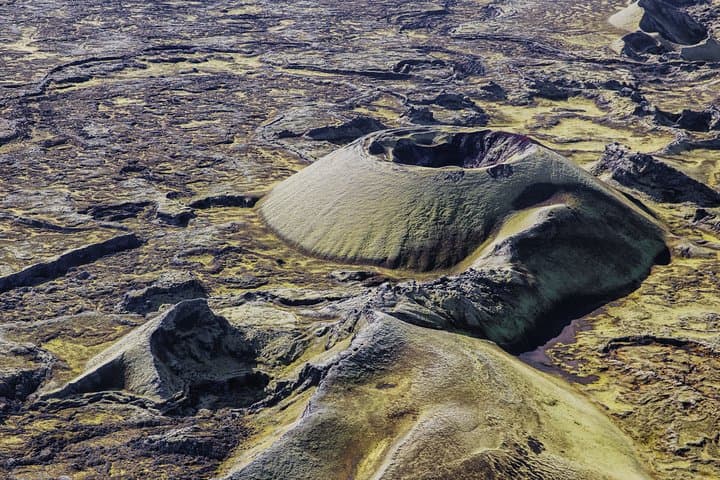
From the air the Laki craters read like a geological paragraph written in fire: a long chain of overlapping cones and collapsed pits formed in the 1783–84 eruption that reshaped Iceland’s climate and history. That eruption sent ash and sulfur thousands of miles, cooled harvests in Europe and forced local communities to adapt or leave. The highland you fly over is younger in places and ancient in others—lava fields welded against ice, glacial lakes such as Grænalón sitting in depressions carved by ice, and the outlet tongues of Skeiðarárjökull folding toward the coast.
Culturally, southeast Iceland is a place where farming and the caprices of nature coexist. Roads and farmsteads skirt the harsher edges; stories about eruptions and floods are as much practical memory as folklore. The flight puts that scale into perspective—what feels like empty highland from the ground is an archive of eruptions, glacial surges and human resilience when seen from above.
Practically, this 50-minute tour launches from Skaftafell Terminal and covers Vatnajökull’s outlet glaciers, Grænalón, Síðujökull, and the Lakagígar crater row before returning along the glacier edge. Weather and weight limits govern operations; cancellations for low clouds or high winds are common in shoulder seasons. Dress in layers—the cabin can feel brisk—and secure your camera; reflections off ice and dark lava create strong contrast that rewards a quick exposure lockdown. If you’re prone to motion sickness, pick a morning slot when air tends to be calmer.
Booking tips: check-in is 15 minutes before departure, bring ID and any required weight info, and expect small-group seating (maximum five). The flight is ideal for anyone who wants a concentrated aerial view of Iceland’s most dramatic volcanic and glacial intersections without the multi-day slog across rough highland tracks.
Up in the sky the craters look less like ruins and more like a story being read—rivers daring to cross basalt, ice continuing to move and grind, the land insisting on change. For fifty minutes you sit in that story, seeing the scale and the force that shaped both landscape and local life.
easy.
Approximately 50 minutes.
No special fitness required; suitable for most travelers who can board small aircraft
The tour is approximately 50 minutes from takeoff to landing, including the route over Skeiðarárjökull, Grænalón, Síðujökull and the Lakagígar craters.
Yes; low clouds, high winds or poor visibility commonly cause cancellations—operators will rebook or refund according to their policy.
Infants are allowed but must sit on an adult’s lap; strollers are acceptable at the terminal. Confirm with the operator for any age-specific details.
Yes—weight information is required to balance the aircraft. Provide accurate weights for each passenger at booking or check-in.
Small aircraft seating is limited and window assignments may be on a first-come basis; with small groups you’re likely to get a good view but request one when you check in.
Large tripods are impractical in a small cabin and drones cannot be flown from the aircraft; pack compact camera gear and check drone rules for the national park separately.
The Laki (Lakagígar) eruption of 1783–84 was one of the largest basaltic fissure eruptions in recorded history, sending ash and sulfur across Europe and altering climatic patterns and local livelihoods.
Vatnajökull’s glaciers and highlands are sensitive to foot traffic and climate change; stick to designated access points, follow park rules and minimize disturbance.
Atlantsflug/Flightseeing operates guided outdoor trips and adventures with an emphasis on safety, stewardship, and memorable experiences.
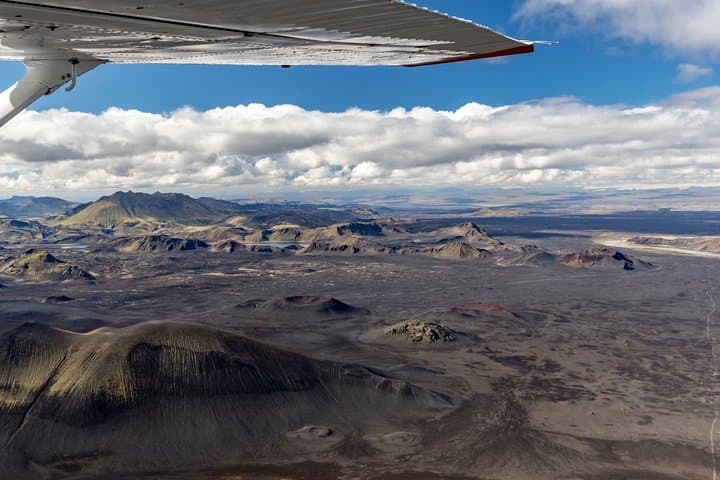
You taxi onto the short runway at Skaftafell, the little Cessna breathing steam as the pilot checks gauges. Within minutes the coast dissolves beneath you and the plane climbs toward a hard, high-white horizon: Skeiðarárjökull pushing like a living glacier out from Vatnajökull. The ice sheet spreads below—crevasses yawning, moulins glittering—then the land opens into black basalt and ragged scars where the Lakagígar fissure runs like an inked seam across the earth.
You taxi onto the short runway at Skaftafell, the little Cessna breathing steam as the pilot checks gauges. Within minutes the coast dissolves beneath you and the plane climbs toward a hard, high-white horizon: Skeiðarárjökull pushing like a living glacier out from Vatnajökull. The ice sheet spreads below—crevasses yawning, moulins glittering—then the land opens into black basalt and ragged scars where the Lakagígar fissure runs like an inked seam across the earth.
From the air the Laki craters read like a geological paragraph written in fire: a long chain of overlapping cones and collapsed pits formed in the 1783–84 eruption that reshaped Iceland’s climate and history. That eruption sent ash and sulfur thousands of miles, cooled harvests in Europe and forced local communities to adapt or leave. The highland you fly over is younger in places and ancient in others—lava fields welded against ice, glacial lakes such as Grænalón sitting in depressions carved by ice, and the outlet tongues of Skeiðarárjökull folding toward the coast.
Culturally, southeast Iceland is a place where farming and the caprices of nature coexist. Roads and farmsteads skirt the harsher edges; stories about eruptions and floods are as much practical memory as folklore. The flight puts that scale into perspective—what feels like empty highland from the ground is an archive of eruptions, glacial surges and human resilience when seen from above.
Practically, this 50-minute tour launches from Skaftafell Terminal and covers Vatnajökull’s outlet glaciers, Grænalón, Síðujökull, and the Lakagígar crater row before returning along the glacier edge. Weather and weight limits govern operations; cancellations for low clouds or high winds are common in shoulder seasons. Dress in layers—the cabin can feel brisk—and secure your camera; reflections off ice and dark lava create strong contrast that rewards a quick exposure lockdown. If you’re prone to motion sickness, pick a morning slot when air tends to be calmer.
Booking tips: check-in is 15 minutes before departure, bring ID and any required weight info, and expect small-group seating (maximum five). The flight is ideal for anyone who wants a concentrated aerial view of Iceland’s most dramatic volcanic and glacial intersections without the multi-day slog across rough highland tracks.
Up in the sky the craters look less like ruins and more like a story being read—rivers daring to cross basalt, ice continuing to move and grind, the land insisting on change. For fifty minutes you sit in that story, seeing the scale and the force that shaped both landscape and local life.