THE ADVENTURE COLLECTIVE® · Independent discovery and booking for outdoor travel

Walk Cape Town’s city center tasting local dishes while tracing the city’s history of slavery, colonialism and apartheid. This four-hour guided food tour pairs flavorful bites with candid context and urban storytelling.
Walk Cape Town’s city center tasting local dishes while tracing the city’s history of slavery, colonialism and apartheid. This four-hour guided food tour pairs flavorful bites with candid context and urban storytelling.
Morning light spills between sandstone facades as the guide leads the group into the Company’s Garden, the scent of Rooibos and spice following close behind. Conversation softens; plates arrive; each bite is framed by a story that maps forced migration, colonial trade routes, and the everyday acts of resistance that shaped Cape Town’s kitchens.
Verified experiences and guided adventures in the surrounding area.
Operated by Cape Town Culinary Tours · Cape Town, Western Cape
Morning light spills between sandstone facades as the guide leads the group into the Company’s Garden, the scent of Rooibos and spice following close behind. Conversation softens; plates arrive; each bite is framed by a story that maps forced migration, colonial trade routes, and the everyday acts of resistance that shaped Cape Town’s kitchens.
The tour threads through sites that tell layered histories: the Dutch East India Company’s 1652 garden, Green Market Square where enslaved people were once traded, and the Central Methodist Church that became a hub for anti-apartheid organizing. Geology peeks in—the pale, angular edge of Table Mountain sandstone visible from the CBD—while cultural currents surface in Cape Malay spices, Xhosa and Afrikaans place names, and recipes carried across oceans.
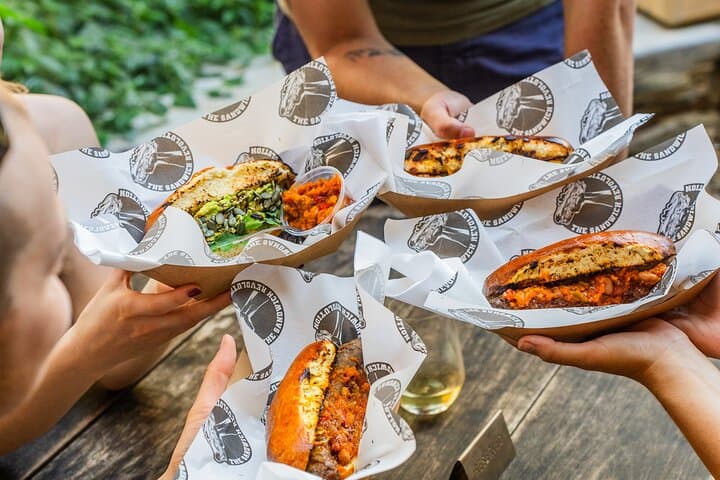
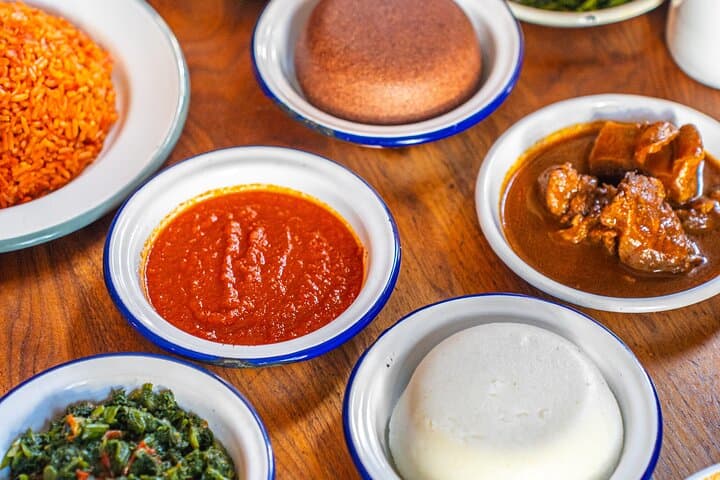
Expect a steady urban walk (cobbles, occasional steps) with multiple tasting stops including traditional snacks, a sit-down lunch, and a closing toast at a local gin bar. Guides connect dishes to specific histories—how sugar, molasses, and preserved fish intersect with power and survival.
Practical notes: bring comfortable shoes, a refillable water bottle, and a jacket for coastal wind. The tour is suitable for most fitness levels but touches on sensitive historical topics—listen and photograph with respect. Public transport and pickup points are nearby; dietary restrictions can usually be accommodated with advance notice. The experience is equal parts palate and perspective: a culinary route through Cape Town’s difficult past, designed to inform as much as it feeds.
easy.
4 hours.
Light urban walking ability; able to stand for short periods and navigate cobbles and steps.
Yes—tastings, a set lunch, bottled water, and a closing gin tasting are included as listed; notify the operator about alcohol-free requests when booking.
Portions of the route include uneven cobbles and narrow streets; accessibility is limited—contact the operator to discuss specific needs and possible adjustments.
Families are welcome; infants must sit on an adult’s lap per the operator’s policy. Some historical content may be sensitive for very young children.
Full refunds are available if you cancel at least 24 hours before the tour; check booking confirmation for details on weather or minimum traveler cancellations.
The Company’s Garden was established in 1652 by the Dutch East India Company and depended heavily on enslaved labor; many city sites carry layers of colonial and apartheid-era histories that the tour explores.
Support small local businesses on the route, avoid single-use plastics, and follow site rules to protect heritage buildings and public green spaces.
Cape Town Culinary Tours operates guided outdoor trips and adventures with an emphasis on safety, stewardship, and memorable experiences.
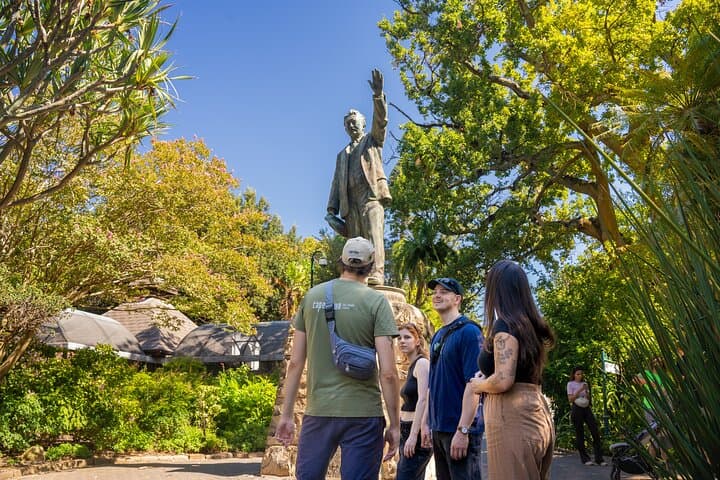
Morning light spills between sandstone facades as the guide leads the group into the Company’s Garden, the scent of Rooibos and spice following close behind. Conversation softens; plates arrive; each bite is framed by a story that maps forced migration, colonial trade routes, and the everyday acts of resistance that shaped Cape Town’s kitchens.
Morning light spills between sandstone facades as the guide leads the group into the Company’s Garden, the scent of Rooibos and spice following close behind. Conversation softens; plates arrive; each bite is framed by a story that maps forced migration, colonial trade routes, and the everyday acts of resistance that shaped Cape Town’s kitchens.
The tour threads through sites that tell layered histories: the Dutch East India Company’s 1652 garden, Green Market Square where enslaved people were once traded, and the Central Methodist Church that became a hub for anti-apartheid organizing. Geology peeks in—the pale, angular edge of Table Mountain sandstone visible from the CBD—while cultural currents surface in Cape Malay spices, Xhosa and Afrikaans place names, and recipes carried across oceans.
Expect a steady urban walk (cobbles, occasional steps) with multiple tasting stops including traditional snacks, a sit-down lunch, and a closing toast at a local gin bar. Guides connect dishes to specific histories—how sugar, molasses, and preserved fish intersect with power and survival.
Practical notes: bring comfortable shoes, a refillable water bottle, and a jacket for coastal wind. The tour is suitable for most fitness levels but touches on sensitive historical topics—listen and photograph with respect. Public transport and pickup points are nearby; dietary restrictions can usually be accommodated with advance notice. The experience is equal parts palate and perspective: a culinary route through Cape Town’s difficult past, designed to inform as much as it feeds.