THE ADVENTURE COLLECTIVE® · Independent discovery and booking for outdoor travel

Explore the Barrocal of the Algarve on a day tour that pairs cork factories, traditional bakeries and hilltop ruins with tastings of medronho, honey and almond cakes. Perfect for travelers who want culture and cuisine without a demanding hike.
Explore the Barrocal of the Algarve on a day tour that pairs cork factories, traditional bakeries and hilltop ruins with tastings of medronho, honey and almond cakes. Perfect for travelers who want culture and cuisine without a demanding hike.
Morning light catches the red earth of the Barrocal as the shuttle rolls away from the coast, and the world narrows to narrow alleys, cork oaks and the smell of wood-fired ovens.
Verified experiences and guided adventures in the surrounding area.
Operated by Portitours - Unique Experiences · São Brás de Alportel, Faro District
Morning light catches the red earth of the Barrocal as the shuttle rolls away from the coast, and the world narrows to narrow alleys, cork oaks and the smell of wood-fired ovens.
The day starts in São Brás de Alportel, where the cork trade still moves like clockwork — harvested bark arriving at the town factory, then processed for export. The Ethnographic Museum frames local life: farmers, bakers and the slow economy of medronho and carob. Geology here matters; the Barrocal sits between coastal sands and the Serra de Monchique, a mix of schist and limestone that directs springs into the valley pools around Alte.
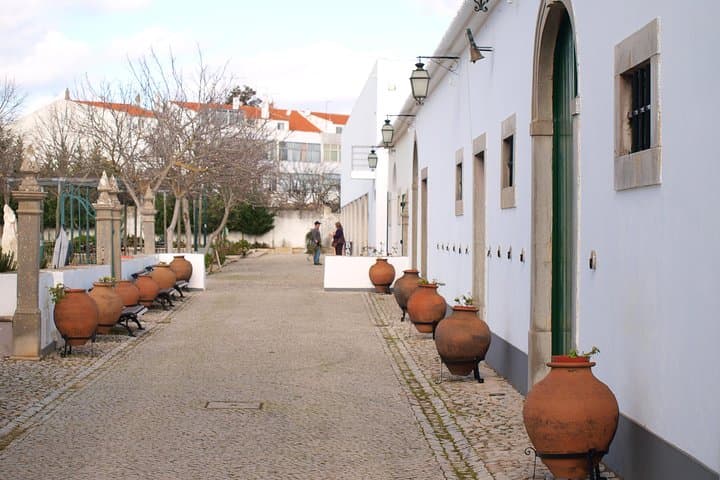
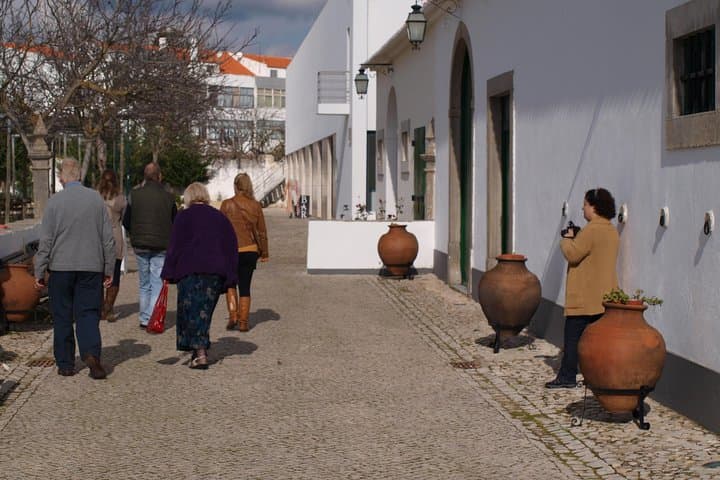
At Salir a ruined castle watches over farmland — a quiet marker of Moorish and medieval layers of control and rural resilience. In Alte, shaded lanes and a clear village spring invite a slow stroll; the water seems to push you toward a café for almond cake and café com leite. Tastings on a quinta introduce honey, compotes and medronho — flavors that map the land.
Practical guidance: this is an easy-paced, full-day tour (about 8 hours) with multiple short walks on uneven village paths; wear sturdy walking shoes and sun protection. Bring a small amount of cash for market purchases and a reusable bottle for refills at village fountains. Expect modest elevation changes rather than strenuous climbs, and allow time to linger in baking shops and cork warehouses. Morning departures keep the heat down; late spring and fall offer the most comfortable temperatures. The itinerary is ideal for travelers who prefer cultural immersion over athletic challenge.
easy.
8 hours.
Suitable for most fitness levels; involves light walking on uneven village streets
The tour runs about 8 hours with multiple stops in São Brás de Alportel, Salir and Alte.
Regional product tastings at a quinta and some bakery samples are typically included, though extra purchases may require cash.
The itinerary is family-friendly; villages have some cobbles but strollers can be used in most areas.
Private transportation between sites is included; check pickup details when booking.
The Barrocal has long been an agricultural buffer between coast and mountains; cork harvesting and Moorish-era hilltop defenses shaped its villages.
Cork oak landscapes are biodiversity hotspots; support responsible producers and avoid single-use plastics to reduce impact.
Portitours - Unique Experiences operates guided outdoor trips and adventures with an emphasis on safety, stewardship, and memorable experiences.
Morning light catches the red earth of the Barrocal as the shuttle rolls away from the coast, and the world narrows to narrow alleys, cork oaks and the smell of wood-fired ovens.
Morning light catches the red earth of the Barrocal as the shuttle rolls away from the coast, and the world narrows to narrow alleys, cork oaks and the smell of wood-fired ovens.
The day starts in São Brás de Alportel, where the cork trade still moves like clockwork — harvested bark arriving at the town factory, then processed for export. The Ethnographic Museum frames local life: farmers, bakers and the slow economy of medronho and carob. Geology here matters; the Barrocal sits between coastal sands and the Serra de Monchique, a mix of schist and limestone that directs springs into the valley pools around Alte.
At Salir a ruined castle watches over farmland — a quiet marker of Moorish and medieval layers of control and rural resilience. In Alte, shaded lanes and a clear village spring invite a slow stroll; the water seems to push you toward a café for almond cake and café com leite. Tastings on a quinta introduce honey, compotes and medronho — flavors that map the land.
Practical guidance: this is an easy-paced, full-day tour (about 8 hours) with multiple short walks on uneven village paths; wear sturdy walking shoes and sun protection. Bring a small amount of cash for market purchases and a reusable bottle for refills at village fountains. Expect modest elevation changes rather than strenuous climbs, and allow time to linger in baking shops and cork warehouses. Morning departures keep the heat down; late spring and fall offer the most comfortable temperatures. The itinerary is ideal for travelers who prefer cultural immersion over athletic challenge.