THE ADVENTURE COLLECTIVE® · Independent discovery and booking for outdoor travel

Taste Lisbon on foot: a 3–4 hour cultural and culinary walk from Praça do Comércio through historic streets, with five stops and about ten tastings that introduce you to classic Portuguese dishes and neighborhood stories.
Taste Lisbon on foot: a 3–4 hour cultural and culinary walk from Praça do Comércio through historic streets, with five stops and about ten tastings that introduce you to classic Portuguese dishes and neighborhood stories.
Step off the cobblestones at Praça do Comércio and the city opens like a well-used menu: salt air from the Tagus nudges the senses, tram bells punctuate conversation, and the smell of frying cod drifts from a nearby tasca.
Verified experiences and guided adventures in the surrounding area.
Operated by Portugal Guided Tours · Lisbon, Lisbon
Step off the cobblestones at Praça do Comércio and the city opens like a well-used menu: salt air from the Tagus nudges the senses, tram bells punctuate conversation, and the smell of frying cod drifts from a nearby tasca.
This three-to-four-hour walking tour threads through central Lisbon neighborhoods where sea routes, empire-era spices and rural Portuguese cooking meet. You’ll move between roughly five curated stops and sample ten small tastings—pastéis de nata, marinated sardines, bifana, and local cheeses—while guides layer in stories about the 1755 earthquake that reshaped the Baixa, the Moorish terraces of Alfama, and how Portuguese sailors fused Atlantic and global ingredients into modern cuisine.
Geology shows up underfoot: granite and limestone paving stones, flanked by tiled facades that bear centuries of sun and salt. Culturally, the tour highlights neighborhood tascas—no-frills taverns where recipes pass across generations—and how Lisbon’s riverside location made it a crossroads for flavors and people.
Practical notes: the route is mostly flat with short inclines in Alfama; expect 2–3 miles of walking at an easy pace. Wear comfortable shoes, carry a small water bottle, and come with an appetite rather than a formal meal plan—tastings add up. The experience is social and low-impact; bring any dietary restrictions to the guide in advance. Midday light is best for photos and flavor-packed stops, while late afternoons offer quieter streets and fresher bread.
easy.
3–4 hours.
Suitable for most fitness levels; expect 2–3 miles of walking with some short inclines.
The tour meets at Praça do Comércio by the riverside statue; guides usually carry signage—arrive 10 minutes early to check in.
Yes, but you must notify the operator ahead of time so guides can swap items or recommend alternatives at stops.
Much of the route is on paved streets but cobblestones and narrow alleys in Alfama can be uneven; contact the operator to discuss accessibility specifics.
The tour includes about ten small tastings across five stops—enough for a substantial snack or light lunch but not a full restaurant meal afterward.
Praça do Comércio was rebuilt after the 1755 earthquake and served as Lisbon’s main riverfront gateway during the Age of Discovery, shaping the city’s food and trade routes.
Support small, family-run tascas and avoid single-use plastics; responsible tipping and purchasing helps preserve local businesses that keep traditional recipes alive.
Portugal Guided Tours operates guided outdoor trips and adventures with an emphasis on safety, stewardship, and memorable experiences.


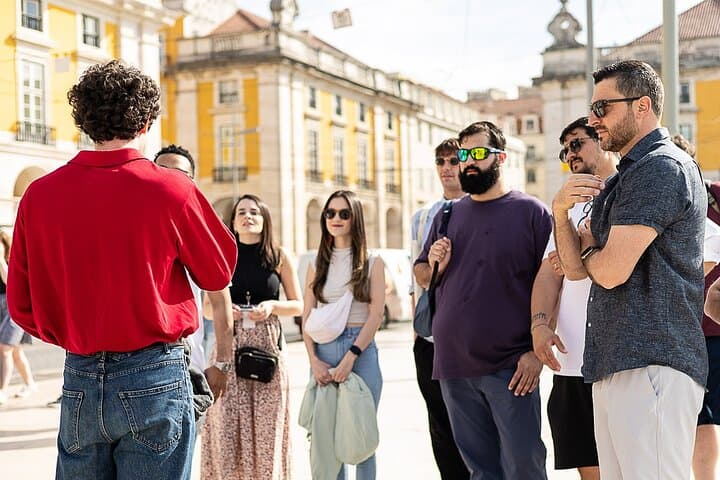

Step off the cobblestones at Praça do Comércio and the city opens like a well-used menu: salt air from the Tagus nudges the senses, tram bells punctuate conversation, and the smell of frying cod drifts from a nearby tasca.
Step off the cobblestones at Praça do Comércio and the city opens like a well-used menu: salt air from the Tagus nudges the senses, tram bells punctuate conversation, and the smell of frying cod drifts from a nearby tasca.
This three-to-four-hour walking tour threads through central Lisbon neighborhoods where sea routes, empire-era spices and rural Portuguese cooking meet. You’ll move between roughly five curated stops and sample ten small tastings—pastéis de nata, marinated sardines, bifana, and local cheeses—while guides layer in stories about the 1755 earthquake that reshaped the Baixa, the Moorish terraces of Alfama, and how Portuguese sailors fused Atlantic and global ingredients into modern cuisine.
Geology shows up underfoot: granite and limestone paving stones, flanked by tiled facades that bear centuries of sun and salt. Culturally, the tour highlights neighborhood tascas—no-frills taverns where recipes pass across generations—and how Lisbon’s riverside location made it a crossroads for flavors and people.
Practical notes: the route is mostly flat with short inclines in Alfama; expect 2–3 miles of walking at an easy pace. Wear comfortable shoes, carry a small water bottle, and come with an appetite rather than a formal meal plan—tastings add up. The experience is social and low-impact; bring any dietary restrictions to the guide in advance. Midday light is best for photos and flavor-packed stops, while late afternoons offer quieter streets and fresher bread.