THE ADVENTURE COLLECTIVE® · Independent discovery and booking for outdoor travel

A private guided hike from the NCAR trailhead into the Flatirons that combines rocky scrambles, sweeping valley views, and hands-on interpretation of local geology and conservation. Expect 3–5 miles round-trip, rocky terrain, and a guide-led safety-first approach — Mallory Cave is not entered.
A private guided hike from the NCAR trailhead into the Flatirons that combines rocky scrambles, sweeping valley views, and hands-on interpretation of local geology and conservation. Expect 3–5 miles round-trip, rocky terrain, and a guide-led safety-first approach — Mallory Cave is not entered.
You step off the pavement at the NCAR trailhead and the city’s hum thins; the Flatirons rise ahead—tilted slabs of red-brown sandstone slicing the sky. Pine sap and dust mix on the breeze while the trail threads through meadows, rock fields, and short steep pitches that demand careful footing. The guide points to a notch high above where Mallory Cave sits out of reach; the group pauses for a view and a short talk about safety and the fragile talus below.
Verified experiences and guided adventures in the surrounding area.
Operated by Explore Boulder · Boulder, Colorado
You step off the pavement at the NCAR trailhead and the city’s hum thins; the Flatirons rise ahead—tilted slabs of red-brown sandstone slicing the sky. Pine sap and dust mix on the breeze while the trail threads through meadows, rock fields, and short steep pitches that demand careful footing. The guide points to a notch high above where Mallory Cave sits out of reach; the group pauses for a view and a short talk about safety and the fragile talus below.
The Flatirons are uplifted Fountain Formation sandstone, tilted during the Laramide orogeny; their flat faces expose layers that sharpen as weather strips the softer rock. Boulder’s outdoor culture grew around these cliffs — early 20th-century climbers and local conservation efforts shaped public access and trail stewardship that visitors still benefit from today.
On a guided Mallory Cave Trail tour expect 3–5 miles round-trip with roughly 600–900 feet of elevation gain, loose rock, and several short scrambles. The route offers concentrated wildflower displays in season, pockets of ponderosa and Douglas-fir, and steady skyline views across Boulder Valley and the Continental Divide.
Practical notes: bring at least 1–2 liters of water, wear grippy hiking shoes, and layer for sudden mountain sun or wind. Guides tailor pace to fitness and weather and will not enter Mallory Cave for safety reasons. Morning departures avoid afternoon thunderstorms and give the best light for photos. Leave no trace, keep to toggled routes, and expect energized conversation about preservation and local geology as part of the guided experience.
challenging.
2–3 hours.
Participants should have strong cardiovascular fitness and comfortable on sustained uphill hiking and short scrambling sections at altitude.
Guided trips typically last 2–3 hours covering about 3–5 miles round-trip with roughly 600–900 ft of elevation gain; expect rocky terrain and short scrambles.
No — the guides do not enter Mallory Cave due to safety and access restrictions; the tour includes viewpoint stops and geological interpretation instead.
There is a parking area at the NCAR/Mallory trailhead and public transit options into Boulder; the operator may provide directions or meet guests at a specified spot.
This private tour recommends participants be in good physical condition; check with the operator about age limits and pet policies before booking.
The Flatirons’ tilted sandstone slabs formed during uplift of the Rockies; early 20th-century climbers and local conservationists helped establish the trails and public access that define Boulder’s outdoor identity.
Stay on established trails to protect fragile vegetation and soil crusts; Boulder’s open space rules prohibit collecting and encourage packing out waste to limit erosion and wildlife disturbance.
Explore Boulder operates guided outdoor trips and adventures with an emphasis on safety, stewardship, and memorable experiences.
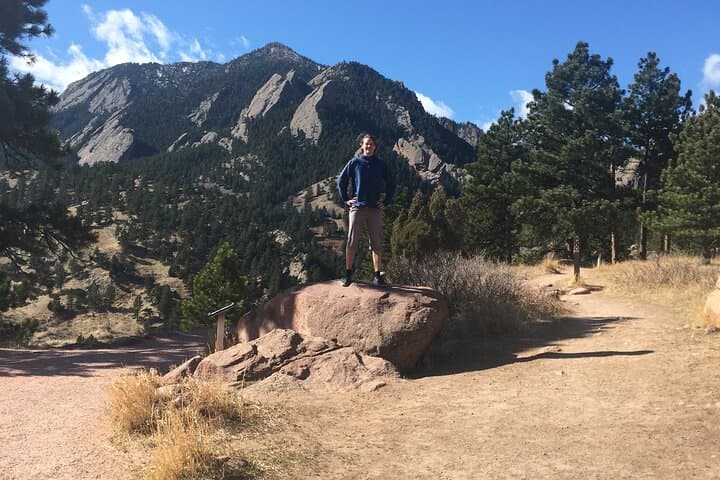
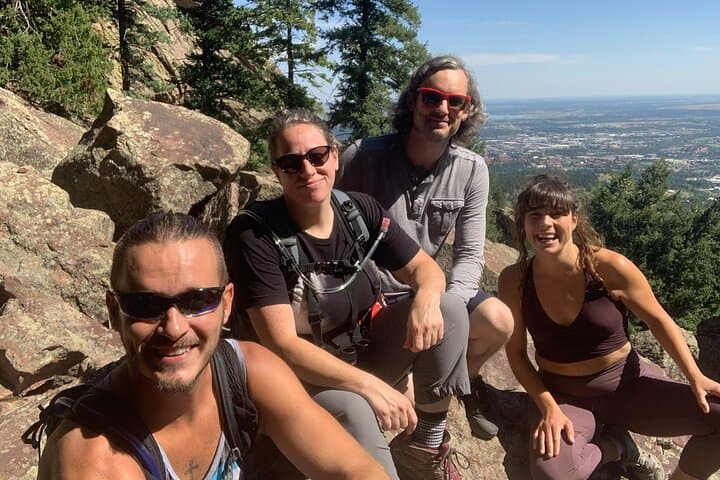
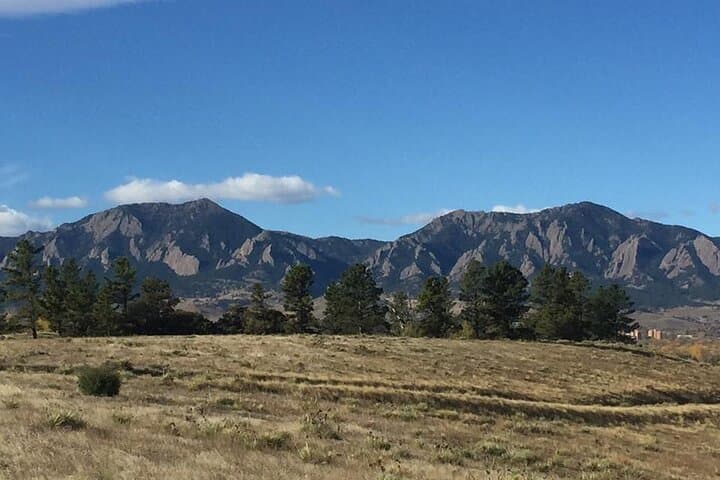
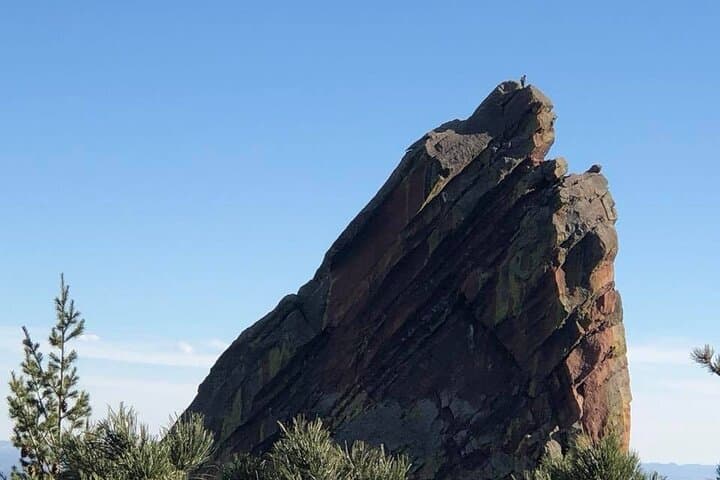
You step off the pavement at the NCAR trailhead and the city’s hum thins; the Flatirons rise ahead—tilted slabs of red-brown sandstone slicing the sky. Pine sap and dust mix on the breeze while the trail threads through meadows, rock fields, and short steep pitches that demand careful footing. The guide points to a notch high above where Mallory Cave sits out of reach; the group pauses for a view and a short talk about safety and the fragile talus below.
You step off the pavement at the NCAR trailhead and the city’s hum thins; the Flatirons rise ahead—tilted slabs of red-brown sandstone slicing the sky. Pine sap and dust mix on the breeze while the trail threads through meadows, rock fields, and short steep pitches that demand careful footing. The guide points to a notch high above where Mallory Cave sits out of reach; the group pauses for a view and a short talk about safety and the fragile talus below.
The Flatirons are uplifted Fountain Formation sandstone, tilted during the Laramide orogeny; their flat faces expose layers that sharpen as weather strips the softer rock. Boulder’s outdoor culture grew around these cliffs — early 20th-century climbers and local conservation efforts shaped public access and trail stewardship that visitors still benefit from today.
On a guided Mallory Cave Trail tour expect 3–5 miles round-trip with roughly 600–900 feet of elevation gain, loose rock, and several short scrambles. The route offers concentrated wildflower displays in season, pockets of ponderosa and Douglas-fir, and steady skyline views across Boulder Valley and the Continental Divide.
Practical notes: bring at least 1–2 liters of water, wear grippy hiking shoes, and layer for sudden mountain sun or wind. Guides tailor pace to fitness and weather and will not enter Mallory Cave for safety reasons. Morning departures avoid afternoon thunderstorms and give the best light for photos. Leave no trace, keep to toggled routes, and expect energized conversation about preservation and local geology as part of the guided experience.