THE ADVENTURE COLLECTIVE® · Independent discovery and booking for outdoor travel

Walk from the iconic Flatiron Building through park-lined avenues to the exclusive perimeter of Gramercy Park. This self-guided audio tour blends architecture, 19th-century social history, and practical route directions for a compact 60–90 minute urban outing.
Walk from the iconic Flatiron Building through park-lined avenues to the exclusive perimeter of Gramercy Park. This self-guided audio tour blends architecture, 19th-century social history, and practical route directions for a compact 60–90 minute urban outing.
You start where the avenue pinches into a triangle: the Flatiron Building rises like a folded page, sunlight catching its limestone face while the hum of Broadway threads the air. Coffee steam from Eataly mingles with taxi brakes as you move through Madison Square Park, past cast-bronze sculptures and benches that watch the city go by.
Verified experiences and guided adventures in the surrounding area.
Operated by VoiceMap Audio Tours · New York, NY
You start where the avenue pinches into a triangle: the Flatiron Building rises like a folded page, sunlight catching its limestone face while the hum of Broadway threads the air. Coffee steam from Eataly mingles with taxi brakes as you move through Madison Square Park, past cast-bronze sculptures and benches that watch the city go by.
This walk traces layers of New York history. The Flatiron (completed 1902) marked an early age of steel-frame architecture; nearby the Metropolitan Life Tower briefly held the title of the world’s tallest. Gramercy grew in the 19th century as an exclusive residential pocket; its private park remains a rare gated green in Manhattan, a reminder of the city’s social geography. Geologically, you tread on Manhattan Schist—bedrock that made these tall structures possible, sliced and smoothed by ancient glaciers.
Local culture here is architectural and civic: old clubs, theatrical legacies (Edwin Booth’s Players Club), and taverns that survived Prohibition. The tour is unapologetically urban—close-up details matter: plaque inscriptions, cornice moldings, and the small grave monument off Broadway that most visitors miss.
Practical guidance: the route is flat and compact—plan 60–90 minutes and bring a charged smartphone for the audio app. Start early to grab pastry at Eataly and avoid peak pedestrian rush; late afternoon light is best for photos of the Flatiron. Respect private property around Gramercy Park, keep to sidewalks, and download the VoiceMap tour before you leave to use it offline. Comfortable shoes, weather-appropriate layers, and a small battery pack will keep the walk smooth and focused on the city’s stories.
easy.
1–1.5 hours.
Suitable for most fitness levels; expect steady walking on pavement for up to 90 minutes.
Plan for 60–90 minutes over roughly 1–1.5 miles (1.6–2.4 km); the pace is flexible since it’s self-guided.
No — Gramercy Park is private and gated. The tour guides you around the perimeter and explains its history from public viewpoints.
The included audio is in English and can be downloaded for offline use after you redeem the code in the VoiceMap app.
The route follows sidewalks and curb cuts common to Manhattan; some crossings may be crowded—strollers are feasible, but check local accessibility for specific block-level conditions.
The Flatiron Building (1902) and the mid-19th-century development of Gramercy reflect Manhattan’s shift to dense, vertically built neighborhoods and exclusive private park culture.
This neighborhood supports historic-preservation efforts and small local businesses; minimize litter, stay on sidewalks, and patronize nearby shops to support the local streetscape.
VoiceMap Audio Tours operates guided outdoor trips and adventures with an emphasis on safety, stewardship, and memorable experiences.
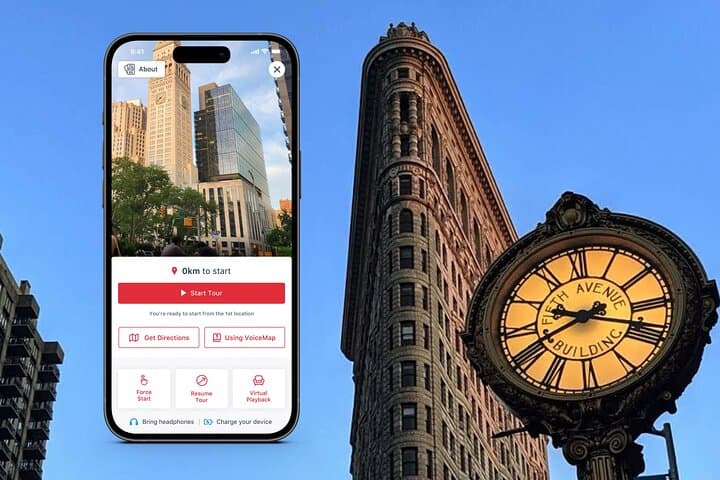
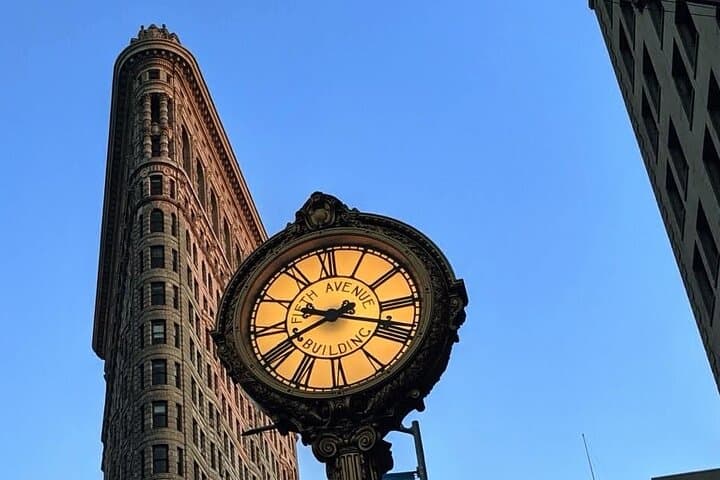
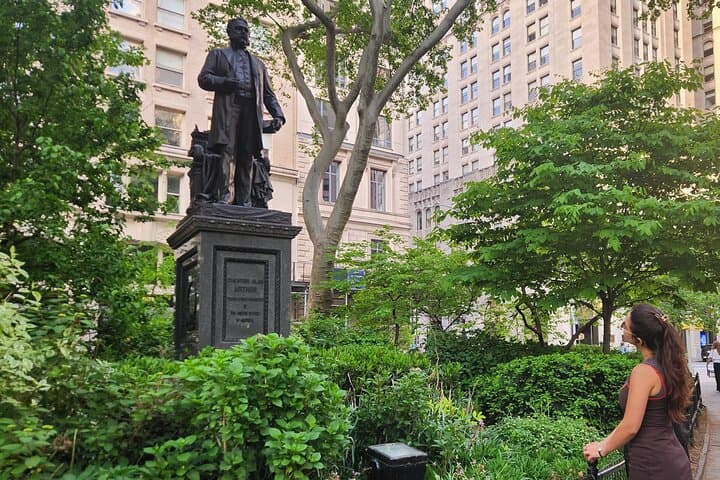
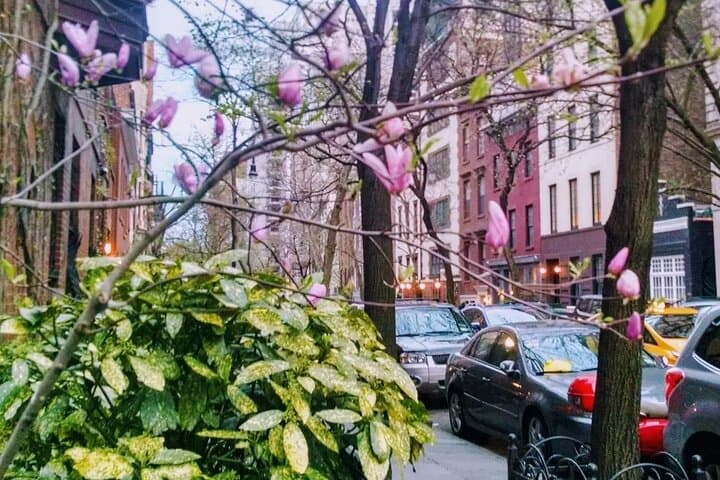
You start where the avenue pinches into a triangle: the Flatiron Building rises like a folded page, sunlight catching its limestone face while the hum of Broadway threads the air. Coffee steam from Eataly mingles with taxi brakes as you move through Madison Square Park, past cast-bronze sculptures and benches that watch the city go by.
You start where the avenue pinches into a triangle: the Flatiron Building rises like a folded page, sunlight catching its limestone face while the hum of Broadway threads the air. Coffee steam from Eataly mingles with taxi brakes as you move through Madison Square Park, past cast-bronze sculptures and benches that watch the city go by.
This walk traces layers of New York history. The Flatiron (completed 1902) marked an early age of steel-frame architecture; nearby the Metropolitan Life Tower briefly held the title of the world’s tallest. Gramercy grew in the 19th century as an exclusive residential pocket; its private park remains a rare gated green in Manhattan, a reminder of the city’s social geography. Geologically, you tread on Manhattan Schist—bedrock that made these tall structures possible, sliced and smoothed by ancient glaciers.
Local culture here is architectural and civic: old clubs, theatrical legacies (Edwin Booth’s Players Club), and taverns that survived Prohibition. The tour is unapologetically urban—close-up details matter: plaque inscriptions, cornice moldings, and the small grave monument off Broadway that most visitors miss.
Practical guidance: the route is flat and compact—plan 60–90 minutes and bring a charged smartphone for the audio app. Start early to grab pastry at Eataly and avoid peak pedestrian rush; late afternoon light is best for photos of the Flatiron. Respect private property around Gramercy Park, keep to sidewalks, and download the VoiceMap tour before you leave to use it offline. Comfortable shoes, weather-appropriate layers, and a small battery pack will keep the walk smooth and focused on the city’s stories.