THE ADVENTURE COLLECTIVE® · Independent discovery and booking for outdoor travel

Experience Florida’s native wildlife and tropical plant collections at Flamingo Gardens, a 60-acre botanical garden and wildlife sanctuary near Fort Lauderdale. Plan for a 2–4 hour visit with paved paths, a large aviary, and the Wray Home Museum offering a glimpse into 1930s South Florida life.
Experience Florida’s native wildlife and tropical plant collections at Flamingo Gardens, a 60-acre botanical garden and wildlife sanctuary near Fort Lauderdale. Plan for a 2–4 hour visit with paved paths, a large aviary, and the Wray Home Museum offering a glimpse into 1930s South Florida life.
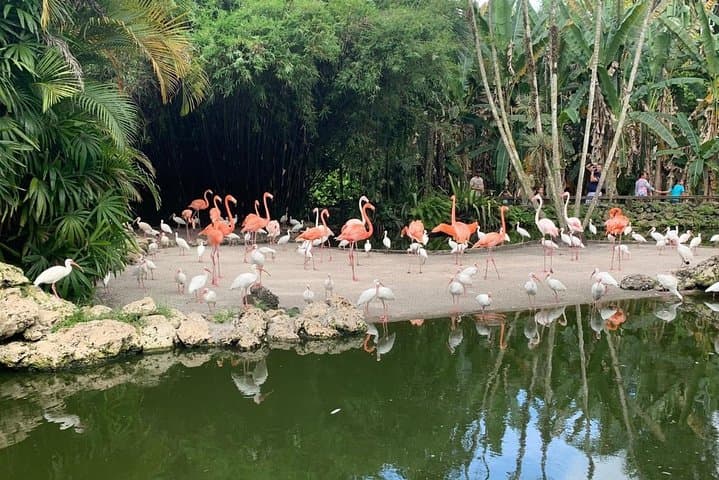
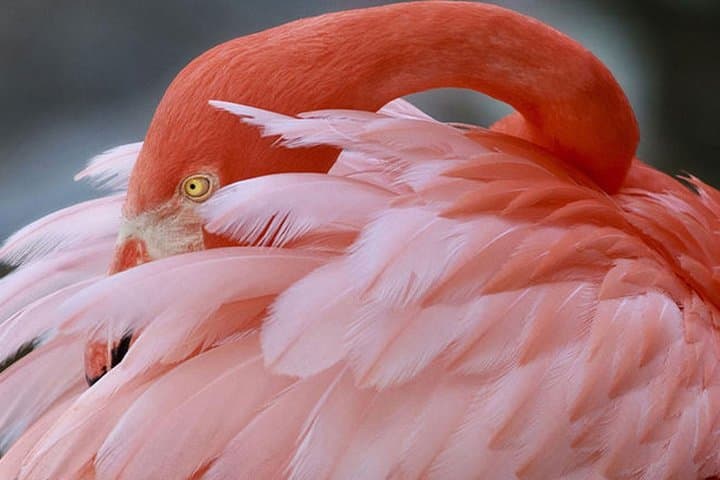
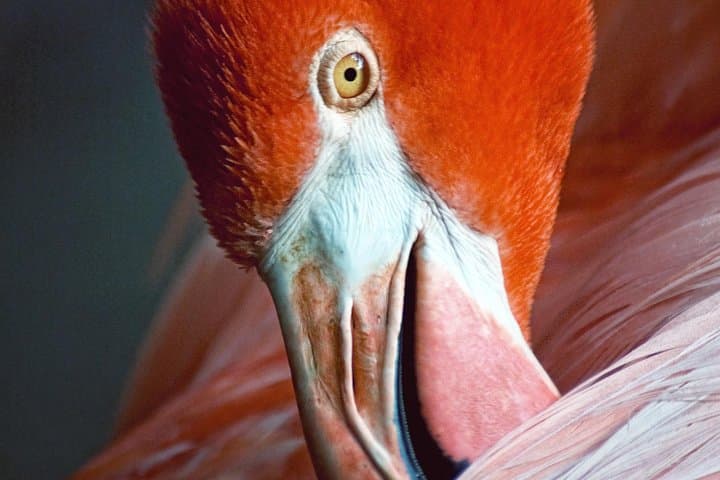
The morning sun here arrives like an invitation—palms throw long shadows, and a ragged flock of flamingos lifts in a soft, pink ripple that cuts across the water.
Verified experiences and guided adventures in the surrounding area.
Operated by Flamingo Gardens · Davie, Florida
The morning sun here arrives like an invitation—palms throw long shadows, and a ragged flock of flamingos lifts in a soft, pink ripple that cuts across the water.
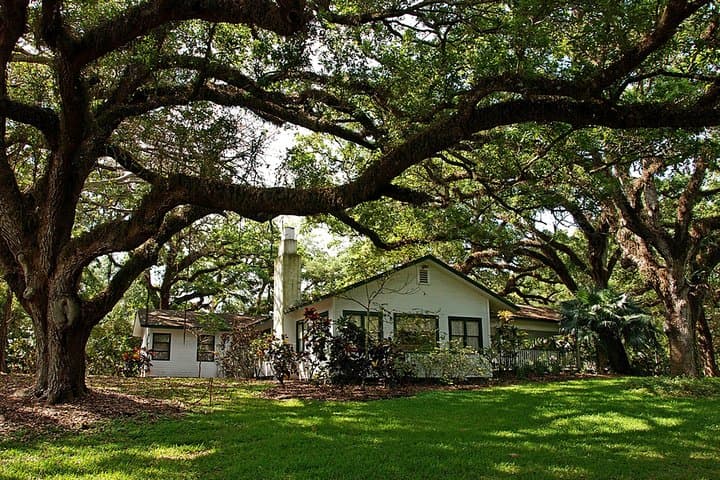
Flamingo Gardens occupies roughly 60 acres of cultivated hammocks and wetlands in Davie, just west of Fort Lauderdale. The site blends a tropical botanical collection with a permanent wildlife sanctuary: rescued alligators laze near boardwalks, peacocks roam lawns like unruly residents, and the large aviary lets free-flying birds set the pace of your visit. The Wray Home Museum on the property recreates a South Florida household from the 1930s, a useful anchor for understanding how people adapted to this subtropical environment.
Geologically this is coastal plain country—low elevation, limestone underlayers, and pockets of wetland that native plants and palms exploit. Culturally, Flamingo Gardens reflects regional conservation trends: an early private estate turned public refuge that now focuses on education and species rehabilitation.
Plan for a paced, observant visit. Start at the aviary to catch active feeding times, then follow shaded paths through the oak hammock and bromeliad collections. Expect paved walkways, a moderate amount of walking, and abundant shade but also Florida sun—carry water and a hat. Photography is rewarding in late afternoon light; mornings are quieter and cooler.
Practical details: standard daytime admission covers exhibits from 9:30–5pm; special events like holiday lights require separate tickets from the venue. Parking is free and facilities are wheelchair accessible. Respect barriers and do not feed wildlife—these are rescued and rehabilitated animals that depend on trained care rather than handouts.
easy.
2–4 hours.
Suitable for most fitness levels; involves moderate walking on paved and boardwalk surfaces
Yes—Flamingo Gardens maintains a prominent flock as part of its aviary and sanctuary exhibits, viewable year-round during daytime hours.
Standard daytime admission covers public hours, generally 9:30am–5:00pm; after-hours events and holiday light tickets are sold separately through the official venue.
Yes—most paths and exhibits are wheelchair and stroller accessible, and parking is free; check specific exhibit access at the visitor center.
Only service animals are permitted inside the sanctuary; other pets are not allowed to protect resident wildlife and habitats.
What began as a private collection developed by the Wray family evolved into a 60-acre public botanical garden and wildlife sanctuary with educational exhibits like the Wray Home Museum.
Flamingo Gardens operates as a sanctuary for rescued native animals and emphasizes habitat restoration and public education; visitors should avoid feeding wildlife and follow posted guidelines.
Flamingo Gardens operates guided outdoor trips and adventures with an emphasis on safety, stewardship, and memorable experiences.
The morning sun here arrives like an invitation—palms throw long shadows, and a ragged flock of flamingos lifts in a soft, pink ripple that cuts across the water.
The morning sun here arrives like an invitation—palms throw long shadows, and a ragged flock of flamingos lifts in a soft, pink ripple that cuts across the water.
Flamingo Gardens occupies roughly 60 acres of cultivated hammocks and wetlands in Davie, just west of Fort Lauderdale. The site blends a tropical botanical collection with a permanent wildlife sanctuary: rescued alligators laze near boardwalks, peacocks roam lawns like unruly residents, and the large aviary lets free-flying birds set the pace of your visit. The Wray Home Museum on the property recreates a South Florida household from the 1930s, a useful anchor for understanding how people adapted to this subtropical environment.
Geologically this is coastal plain country—low elevation, limestone underlayers, and pockets of wetland that native plants and palms exploit. Culturally, Flamingo Gardens reflects regional conservation trends: an early private estate turned public refuge that now focuses on education and species rehabilitation.
Plan for a paced, observant visit. Start at the aviary to catch active feeding times, then follow shaded paths through the oak hammock and bromeliad collections. Expect paved walkways, a moderate amount of walking, and abundant shade but also Florida sun—carry water and a hat. Photography is rewarding in late afternoon light; mornings are quieter and cooler.
Practical details: standard daytime admission covers exhibits from 9:30–5pm; special events like holiday lights require separate tickets from the venue. Parking is free and facilities are wheelchair accessible. Respect barriers and do not feed wildlife—these are rescued and rehabilitated animals that depend on trained care rather than handouts.