THE ADVENTURE COLLECTIVE® · Independent discovery and booking for outdoor travel

Leave Marrakech for a full-day private tour into five High Atlas valleys—olive terraces, apple orchards, waterfalls and intimate visits to Berber homes. Expect easy walks, local meals, and a women-run argan cooperative visit as highlights.
Leave Marrakech for a full-day private tour into five High Atlas valleys—olive terraces, apple orchards, waterfalls and intimate visits to Berber homes. Expect easy walks, local meals, and a women-run argan cooperative visit as highlights.
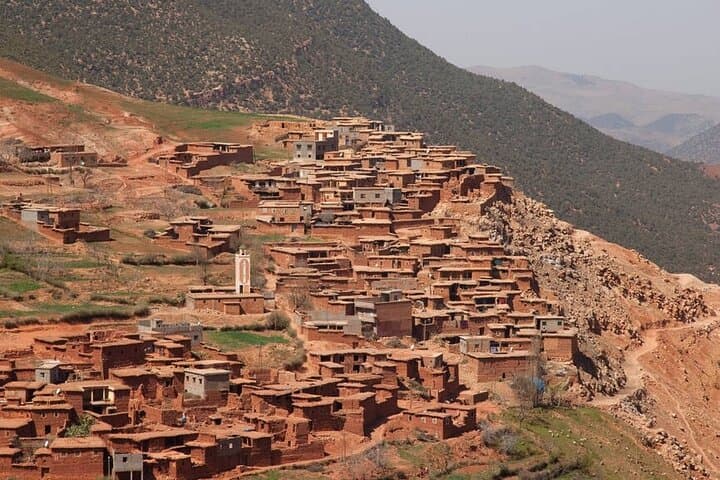
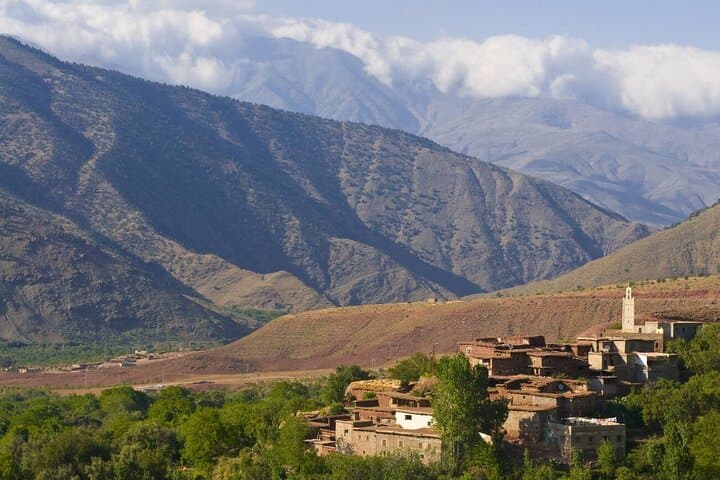
You step out of Marrakech morning heat into mountain air that cuts clear and bright—the High Atlas rising like a wall to the south. The road climbs past olive groves and terraced fields; villages cling to slopes, their stone and earth tones shifting with the sun. Rivers thread the valleys, daring you to follow them toward waterfalls and guest rooms where smoke-scented bread is still torn by hand.
Verified experiences and guided adventures in the surrounding area.
Operated by Jamal · Setti Fatma, Marrakech-Safi
You step out of Marrakech morning heat into mountain air that cuts clear and bright—the High Atlas rising like a wall to the south. The road climbs past olive groves and terraced fields; villages cling to slopes, their stone and earth tones shifting with the sun. Rivers thread the valleys, daring you to follow them toward waterfalls and guest rooms where smoke-scented bread is still torn by hand.
These valleys—Tahanaout, Asni, the apple orchards around Oukaïmeden, Sidi Fares and the Ourika—carry layers of history: Amazigh (Berber) farming culture shaped terraces and irrigation, while geological uplift and winter snow sculpt steep gorges and seasonal streams. Argan and olive trees mark lower slopes; higher up, granite outcrops reveal the mountain’s backbone.
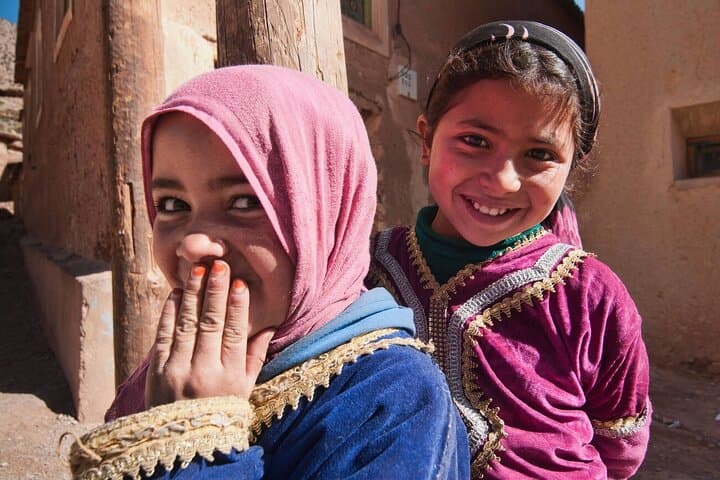
Visitors get direct contact with village life: shared tea in a private Berber home, a visit to a women’s argan cooperative, and short walks to Setti Fatma’s cascade series. Expect easy-paced trails along riverbanks, uneven stone steps in villages, and 30–90 minute guided waterfall walks.
Practical guide: plan an 8–9 hour day from Marrakech with an air-conditioned vehicle and local guide; wear sturdy walking shoes and layered clothing for changing mountain temperatures. Carry water and small bills for market purchases and cooperative donations. Respect local customs—ask before photographing people and remove shoes when entering homes. Timing matters: spring and autumn offer the best hiking weather and fuller waterfalls; in peak summer choose early starts to avoid mid-day heat. This excursion is an accessible, culturally rich way to touch High Atlas life without technical gear, trading altitude for intimacy with landscape and people.
easy.
8–9 hours.
Suitable for average fitness; involves short, non-technical walks of up to 90 minutes on uneven terrain.
Yes—it's marketed as physically easy; trails are short and the drive-based itinerary minimizes long treks, though mobility inside traditional homes can be limited.
Lunch is typically at a small riverside restaurant near Setti Fatma and may be included depending on booking; you'll often sample traditional bread and tea in a private home.
Expect a guided walk of up to 60–90 minutes on uneven steps and river paths to reach several cascades; the guide can shorten the walk on request.
Local hosts can often adapt meals if notified in advance—use the booking’s special requirements field to specify food allergies or preferences.
The valleys are part of historic Amazigh highland culture; terraced agriculture and seasonal markets have shaped village life for centuries, while argan and olive production remain economic staples.
Tourism supports local women's argan cooperatives and family homestays; stay on marked paths and avoid feeding wildlife to reduce human impact.
Jamal operates guided outdoor trips and adventures with an emphasis on safety, stewardship, and memorable experiences.
You step out of Marrakech morning heat into mountain air that cuts clear and bright—the High Atlas rising like a wall to the south. The road climbs past olive groves and terraced fields; villages cling to slopes, their stone and earth tones shifting with the sun. Rivers thread the valleys, daring you to follow them toward waterfalls and guest rooms where smoke-scented bread is still torn by hand.
You step out of Marrakech morning heat into mountain air that cuts clear and bright—the High Atlas rising like a wall to the south. The road climbs past olive groves and terraced fields; villages cling to slopes, their stone and earth tones shifting with the sun. Rivers thread the valleys, daring you to follow them toward waterfalls and guest rooms where smoke-scented bread is still torn by hand.
These valleys—Tahanaout, Asni, the apple orchards around Oukaïmeden, Sidi Fares and the Ourika—carry layers of history: Amazigh (Berber) farming culture shaped terraces and irrigation, while geological uplift and winter snow sculpt steep gorges and seasonal streams. Argan and olive trees mark lower slopes; higher up, granite outcrops reveal the mountain’s backbone.
Visitors get direct contact with village life: shared tea in a private Berber home, a visit to a women’s argan cooperative, and short walks to Setti Fatma’s cascade series. Expect easy-paced trails along riverbanks, uneven stone steps in villages, and 30–90 minute guided waterfall walks.
Practical guide: plan an 8–9 hour day from Marrakech with an air-conditioned vehicle and local guide; wear sturdy walking shoes and layered clothing for changing mountain temperatures. Carry water and small bills for market purchases and cooperative donations. Respect local customs—ask before photographing people and remove shoes when entering homes. Timing matters: spring and autumn offer the best hiking weather and fuller waterfalls; in peak summer choose early starts to avoid mid-day heat. This excursion is an accessible, culturally rich way to touch High Atlas life without technical gear, trading altitude for intimacy with landscape and people.