THE ADVENTURE COLLECTIVE® · Independent discovery and booking for outdoor travel

Explore Tbilisi’s Old Town on a five-hour guided walk that moves from Metekhi Plateau to sulfur baths and a 17th‑century cellar wine tasting. Small groups, cable car rides and a mix of historic and modern landmarks make this an efficient primer on the city.
Explore Tbilisi’s Old Town on a five-hour guided walk that moves from Metekhi Plateau to sulfur baths and a 17th‑century cellar wine tasting. Small groups, cable car rides and a mix of historic and modern landmarks make this an efficient primer on the city.
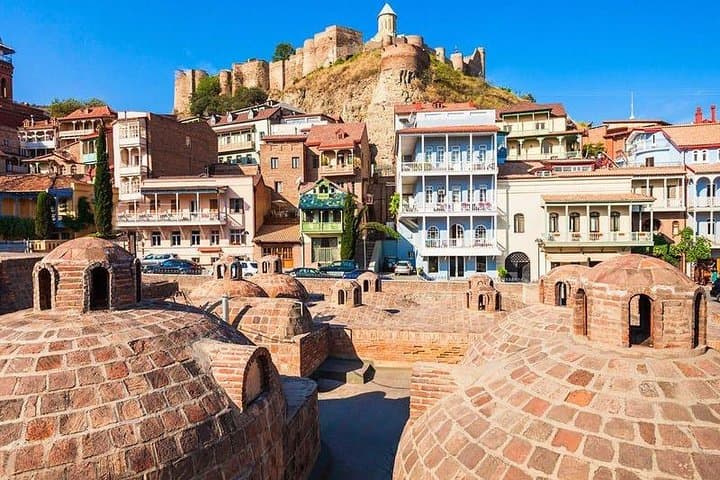
A morning in Tbilisi begins on Metekhi Plateau, where a panorama of red-tiled roofs drops toward the Mtkvari River and the Narikala fortress watches from the hill like a worn guardian.
Verified experiences and guided adventures in the surrounding area.
Operated by ushba travel · Tbilisi, Tbilisi
A morning in Tbilisi begins on Metekhi Plateau, where a panorama of red-tiled roofs drops toward the Mtkvari River and the Narikala fortress watches from the hill like a worn guardian.
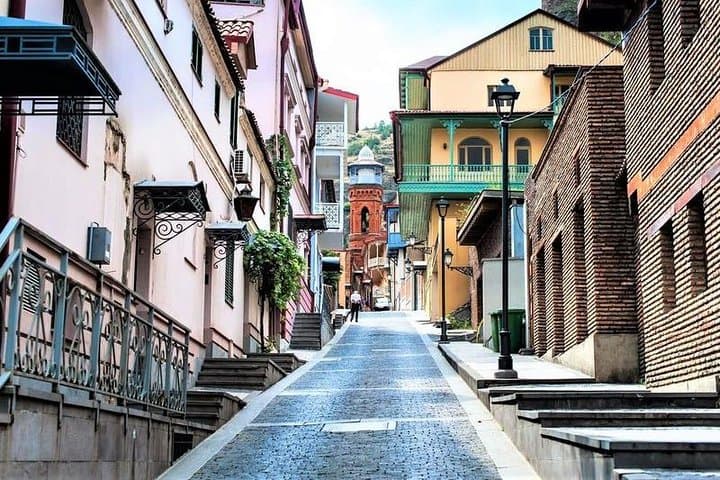
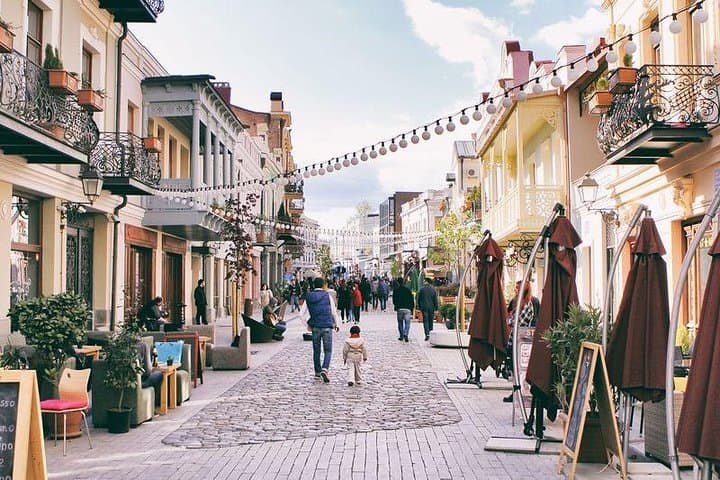
On this five-hour group walk, guide Zurab leads small groups through narrow hilly alleys and courtyard-lined streets, tracing the city’s layered past—from a settlement predating Vakhtang Gorgasali to the Persian, Ottoman and Russian imprints still visible in masonry and street patterns.
Geology shows itself in hot springs that built the sulfur baths: thermal water rises through faulted limestone, shaping the Fig Valley’s little waterfall and the warm, mineral-rich pools that drew travelers for centuries. Cultural stops include the Mother of Georgia statue, the Peace Bridge and Rike Park’s modern pipes, each revealing local attitudes about history, hospitality and public art.
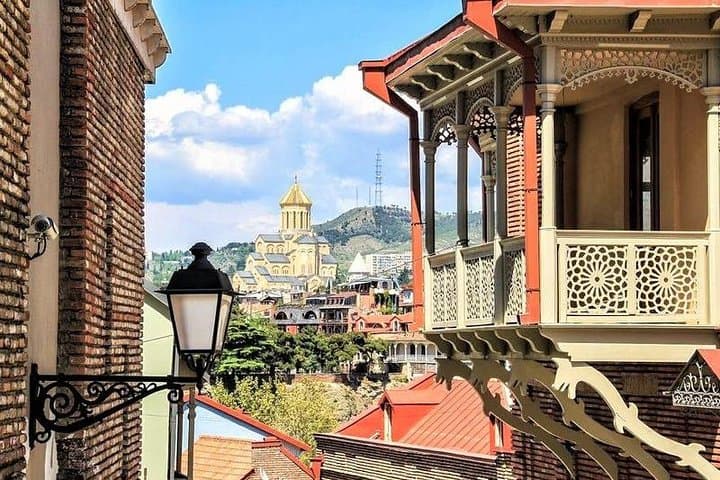
Midway the tour, participants descend to a 17th-century cellar for an hour-long wine tasting led by a winemaker—Georgia’s millennia-old viniculture is a living chapter of the route. Along the way Zurab points out carved wooden balconies and explains why courtyards were both public stage and private refuge.
Practical notes: expect varied pavement—cobblestones, steep steps and short climbs—and bring comfortable, grippy shoes. The route uses the cable car and keeps groups small (max 15), making it accessible for most fitness levels. Carry water, a light layer for wind coming off the river, and a small amount of cash for extras.
This walk balances approachable urban hiking with cultural depth: it’s a concentrated primer on Tbilisi that prepares travelers to explore further on their own.
easy.
5 hours.
Suitable for most walkers; requires ability to walk 2–4 miles with short climbs and steps.
Yes — the one-hour tasting in a 17th‑century cellar is included at no additional cost for tour participants.
The tour is rated easy and suitable for most fitness levels but includes some uphill sections and cobblestones; comfortable shoes are recommended.
Communicate special dietary needs when booking; the guide can coordinate with the cellar but options may be limited in historic settings.
Shared tours cap at 15 people; instant confirmation is typical and full refund available if cancelled at least 24 hours before departure.
Tbilisi’s foundation is tied to the 5th-century legend of King Vakhtang Gorgasali and the city’s thermal springs, which have shaped urban life for centuries.
Old Town faces visitor pressure—stay on paths, avoid entering private courtyards without permission and support local businesses to help preserve historic fabric.
ushba travel operates guided outdoor trips and adventures with an emphasis on safety, stewardship, and memorable experiences.
A morning in Tbilisi begins on Metekhi Plateau, where a panorama of red-tiled roofs drops toward the Mtkvari River and the Narikala fortress watches from the hill like a worn guardian.
A morning in Tbilisi begins on Metekhi Plateau, where a panorama of red-tiled roofs drops toward the Mtkvari River and the Narikala fortress watches from the hill like a worn guardian.
On this five-hour group walk, guide Zurab leads small groups through narrow hilly alleys and courtyard-lined streets, tracing the city’s layered past—from a settlement predating Vakhtang Gorgasali to the Persian, Ottoman and Russian imprints still visible in masonry and street patterns.
Geology shows itself in hot springs that built the sulfur baths: thermal water rises through faulted limestone, shaping the Fig Valley’s little waterfall and the warm, mineral-rich pools that drew travelers for centuries. Cultural stops include the Mother of Georgia statue, the Peace Bridge and Rike Park’s modern pipes, each revealing local attitudes about history, hospitality and public art.
Midway the tour, participants descend to a 17th-century cellar for an hour-long wine tasting led by a winemaker—Georgia’s millennia-old viniculture is a living chapter of the route. Along the way Zurab points out carved wooden balconies and explains why courtyards were both public stage and private refuge.
Practical notes: expect varied pavement—cobblestones, steep steps and short climbs—and bring comfortable, grippy shoes. The route uses the cable car and keeps groups small (max 15), making it accessible for most fitness levels. Carry water, a light layer for wind coming off the river, and a small amount of cash for extras.
This walk balances approachable urban hiking with cultural depth: it’s a concentrated primer on Tbilisi that prepares travelers to explore further on their own.