THE ADVENTURE COLLECTIVE® · Independent discovery and booking for outdoor travel

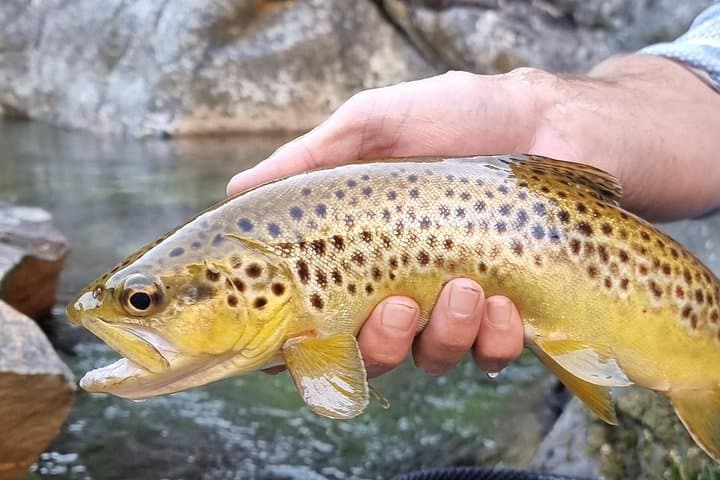
Spend five focused hours fly fishing Cape streams and estuaries near Cape Town, targeting wild rainbow and brown trout or predatory garrick. This half-day combines technical sight fishing, local snacks, and guided instruction suited to intermediate anglers.
Spend five focused hours fly fishing Cape streams and estuaries near Cape Town, targeting wild rainbow and brown trout or predatory garrick. This half-day combines technical sight fishing, local snacks, and guided instruction suited to intermediate anglers.
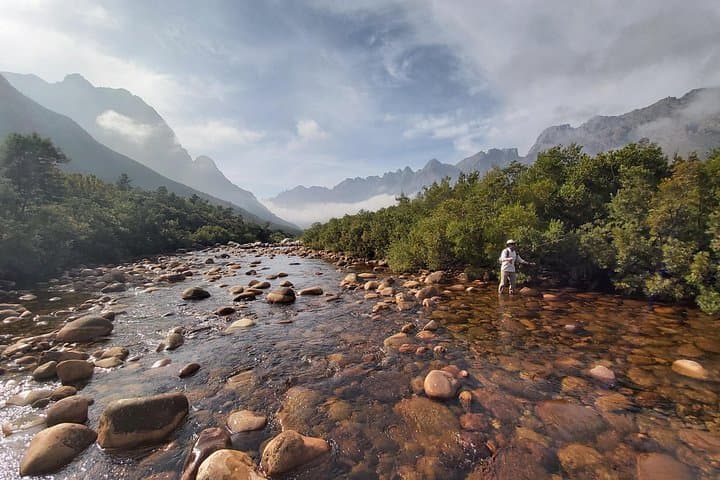
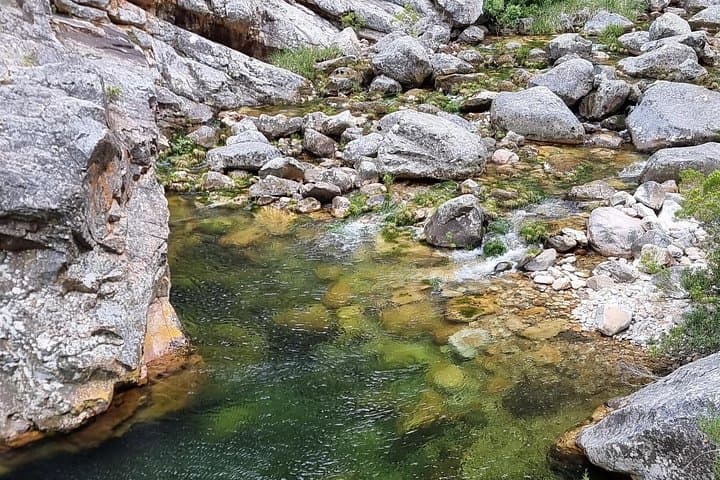
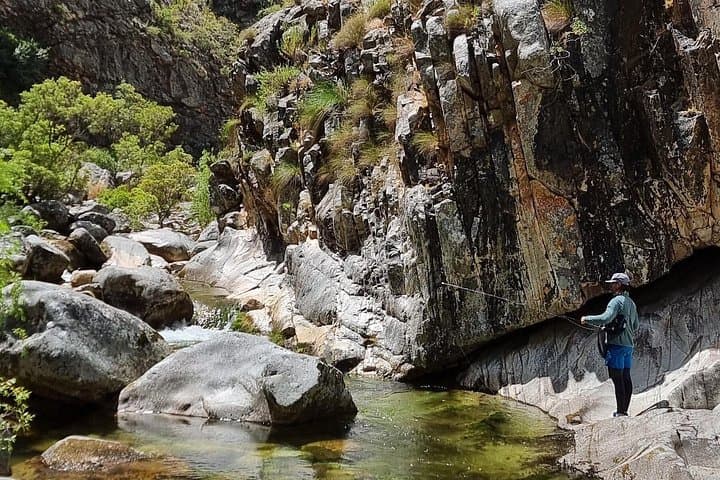
A river carves a bright line through sunlit shale and fynbos as the guide reads the water: seams, riffles, and shadowed pools that hold trout. Thirty minutes from Cape Town, anglers step into crystal-clear Cape streams or board a small skiff for estuary flat fishing—each cast a conversation with the water.
Verified experiences and guided adventures in the surrounding area.
Operated by Kyle Noyes-Smith · Cape Town, Western Cape
A river carves a bright line through sunlit shale and fynbos as the guide reads the water: seams, riffles, and shadowed pools that hold trout. Thirty minutes from Cape Town, anglers step into crystal-clear Cape streams or board a small skiff for estuary flat fishing—each cast a conversation with the water.
The Western Cape’s trout fisheries sit in valleys shaped by Table Mountain sandstone and Cape Fold Belt geology, where fast, oxygen-rich streams born in the Paarl and Worcester hills support wild rainbow and brown trout. The nearby estuaries—shallow, tidal, and rich in bait—host leervis (garrick) that slash through schools of anchovy at dawn. The area’s fishing culture mixes colonial trout introductions with a long coastal relationship to the sea; guides often pair local culinary bites with angling lore.
Expect sight fishing on light tackle in rivers with cobbled beds and moderate wading; estuary work can mean gentle boat drifts or ankle-deep stalking in reed-fringed flats. The operator supplies rods, flies, and a light lunch; catch-and-release for trout is standard. Physical demands are moderate: several short wade sections, some uneven footing, and repeated casts.
Practical tips: book morning tides for the estuary, bring layered rain gear for mountain microclimates, and protect your sun-exposed neck. Respect protected riparian zones and follow guide instructions for fish handling. For travelers who want an efficient, high-value half-day of technical fly fishing near Cape Town, this five-hour outing pairs technical instruction with real fishing opportunity.
moderate.
5 hours.
Moderate fitness: able to do repeated casts, short wades, and stand for several hours.
No—guides accommodate beginners, but basic casting practice improves results; instruction is available on-site.
Freshwater sessions target wild rainbow and brown trout; estuary trips target leervis (garrick) and other coastal predators.
Yes—rods, tackle and flies are supplied, and catch photos are documented by the guide where permitted.
Trout are typically released after handling for photos; local regulations and conservation practices guide retention policies.
Trout were introduced to Cape streams in the 19th century, reshaping recreational fishing while coastal communities retained long-standing marine foraging traditions.
Many guides follow catch-and-release for trout and emphasize minimal-impact wading; estuaries are sensitive to development, invasive plants, and freshwater abstraction.
Kyle Noyes-Smith operates guided outdoor trips and adventures with an emphasis on safety, stewardship, and memorable experiences.
A river carves a bright line through sunlit shale and fynbos as the guide reads the water: seams, riffles, and shadowed pools that hold trout. Thirty minutes from Cape Town, anglers step into crystal-clear Cape streams or board a small skiff for estuary flat fishing—each cast a conversation with the water.
A river carves a bright line through sunlit shale and fynbos as the guide reads the water: seams, riffles, and shadowed pools that hold trout. Thirty minutes from Cape Town, anglers step into crystal-clear Cape streams or board a small skiff for estuary flat fishing—each cast a conversation with the water.
The Western Cape’s trout fisheries sit in valleys shaped by Table Mountain sandstone and Cape Fold Belt geology, where fast, oxygen-rich streams born in the Paarl and Worcester hills support wild rainbow and brown trout. The nearby estuaries—shallow, tidal, and rich in bait—host leervis (garrick) that slash through schools of anchovy at dawn. The area’s fishing culture mixes colonial trout introductions with a long coastal relationship to the sea; guides often pair local culinary bites with angling lore.
Expect sight fishing on light tackle in rivers with cobbled beds and moderate wading; estuary work can mean gentle boat drifts or ankle-deep stalking in reed-fringed flats. The operator supplies rods, flies, and a light lunch; catch-and-release for trout is standard. Physical demands are moderate: several short wade sections, some uneven footing, and repeated casts.
Practical tips: book morning tides for the estuary, bring layered rain gear for mountain microclimates, and protect your sun-exposed neck. Respect protected riparian zones and follow guide instructions for fish handling. For travelers who want an efficient, high-value half-day of technical fly fishing near Cape Town, this five-hour outing pairs technical instruction with real fishing opportunity.