THE ADVENTURE COLLECTIVE® · Independent discovery and booking for outdoor travel

Trace Korea’s western coast in five days: hanok alleys and bibimbap in Jeonju, camellia cliffs and a maritime cable car in Yeosu, reeds and tea terraces in Suncheon and Boseong, plus Baekje-era ruins en route to Seoul. Practical, guided, and transport included.
Trace Korea’s western coast in five days: hanok alleys and bibimbap in Jeonju, camellia cliffs and a maritime cable car in Yeosu, reeds and tea terraces in Suncheon and Boseong, plus Baekje-era ruins en route to Seoul. Practical, guided, and transport included.
You step off the coach into a courtyard of low-tiled roofs and the air smells faintly of toasted sesame and steamed rice — Jeonju’s hanok district makes a quiet first claim on your senses. Over the next five days the landscape moves from tiled village lanes to the wind-driven reeds of Suncheon Bay, the camellia-draped cliffs of Yeosu and the emerald terraces of Boseong’s tea fields, each place offering a distinct chapter of Korea’s western flank.
Verified experiences and guided adventures in the surrounding area.
Operated by Bergen travel · Seoul, Seoul
You step off the coach into a courtyard of low-tiled roofs and the air smells faintly of toasted sesame and steamed rice — Jeonju’s hanok district makes a quiet first claim on your senses. Over the next five days the landscape moves from tiled village lanes to the wind-driven reeds of Suncheon Bay, the camellia-draped cliffs of Yeosu and the emerald terraces of Boseong’s tea fields, each place offering a distinct chapter of Korea’s western flank.
History here is layered: Joseon-era shrines and Jeondong Cathedral in Jeonju; Baekje-period ramparts at Gongsanseong; and Magoksa’s Buddhist halls that whisper through centuries. Geology is subtle but present — coastal granite, tidal mudflats that formed the Suncheonman wetland, and the sculpted terracing of tea hills. Culture centers on food and craft: Jeonju bibimbap, hanji paper-making, bamboo tea in Damyang and coastal seafood in Yeosu.
Practically, expect mostly short walks, boardwalks through wetlands, and guided cultural stops; transport is by private, air-conditioned vehicle and accommodations are 3–4★ hotels. Bring comfortable walking shoes for uneven pavilion steps and reed-boardwalk surfaces, a lightweight rain layer (coastal weather shifts fast) and a small daypack for cameras and water. Timing matters: sunrise at Hyangiram rewards early risers; late afternoon light softens the tea terraces.
The trip is low-impact on fitness but rich in sensory detail — plan for varied microclimates, follow local guidance at sacred sites, and respect boardwalk closures in the wetland reserve for both safety and conservation.
easy.
5 days.
Suitable for travelers in regular walking condition; minimal sustained exertion but moderate mobility required for temple steps and boardwalks.
Yes — the tour operates with private transportation and typically begins and ends in Seoul; confirm your hotel pickup point when booking.
The itinerary includes 13 meals (breakfasts, lunches and dinners as listed); drinks, extra snacks and some meals may be at your expense.
This is a low-impact cultural tour suitable for most fitness levels, though you should be able to walk short distances and negotiate stairs at historical sites.
Infants can join but must sit on an adult’s lap; stroller access is possible though some temples and paths have steps.
The route threads through Joseon-era cultural centers and Baekje relics — Gongsanseong fortress marks the former Baekje capital region and Magoksa Temple dates back to early Silla/Baekje Buddhist history.
Suncheon Bay is a designated Ramsar site and UNESCO Biosphere Reserve; stick to boardwalks, avoid disturbing reeds and follow local signage to protect migrating birds and mudflat ecosystems.
Bergen travel operates guided outdoor trips and adventures with an emphasis on safety, stewardship, and memorable experiences.


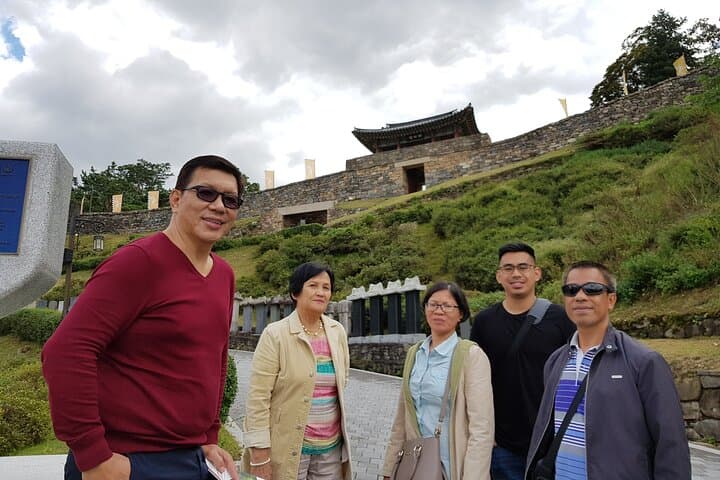

You step off the coach into a courtyard of low-tiled roofs and the air smells faintly of toasted sesame and steamed rice — Jeonju’s hanok district makes a quiet first claim on your senses. Over the next five days the landscape moves from tiled village lanes to the wind-driven reeds of Suncheon Bay, the camellia-draped cliffs of Yeosu and the emerald terraces of Boseong’s tea fields, each place offering a distinct chapter of Korea’s western flank.
You step off the coach into a courtyard of low-tiled roofs and the air smells faintly of toasted sesame and steamed rice — Jeonju’s hanok district makes a quiet first claim on your senses. Over the next five days the landscape moves from tiled village lanes to the wind-driven reeds of Suncheon Bay, the camellia-draped cliffs of Yeosu and the emerald terraces of Boseong’s tea fields, each place offering a distinct chapter of Korea’s western flank.
History here is layered: Joseon-era shrines and Jeondong Cathedral in Jeonju; Baekje-period ramparts at Gongsanseong; and Magoksa’s Buddhist halls that whisper through centuries. Geology is subtle but present — coastal granite, tidal mudflats that formed the Suncheonman wetland, and the sculpted terracing of tea hills. Culture centers on food and craft: Jeonju bibimbap, hanji paper-making, bamboo tea in Damyang and coastal seafood in Yeosu.
Practically, expect mostly short walks, boardwalks through wetlands, and guided cultural stops; transport is by private, air-conditioned vehicle and accommodations are 3–4★ hotels. Bring comfortable walking shoes for uneven pavilion steps and reed-boardwalk surfaces, a lightweight rain layer (coastal weather shifts fast) and a small daypack for cameras and water. Timing matters: sunrise at Hyangiram rewards early risers; late afternoon light softens the tea terraces.
The trip is low-impact on fitness but rich in sensory detail — plan for varied microclimates, follow local guidance at sacred sites, and respect boardwalk closures in the wetland reserve for both safety and conservation.