THE ADVENTURE COLLECTIVE® · Independent discovery and booking for outdoor travel

A five-day private loop from Siem Reap to Battambang that pairs dawn at Angkor with the waterfalls of Kulen and the floating villages of Tonle Sap. This tour balances major temples with off-the-beaten-track cultural stops and river life.
A five-day private loop from Siem Reap to Battambang that pairs dawn at Angkor with the waterfalls of Kulen and the floating villages of Tonle Sap. This tour balances major temples with off-the-beaten-track cultural stops and river life.
You step out before dawn, the air still cool as the silhouette of Angkor Wat slices the sky. Lantern-lit paths give way to wide stone causeways; carved faces watch you move and the first light brushes bas-reliefs that have watched centuries pass. Over five days the trip shifts between carved sandstone, a holy river of lingas, and villages on stilts where boats are front doors.
Verified experiences and guided adventures in the surrounding area.
Operated by Sightseeing Cambodia · Siem Reap, Siem Reap Province
You step out before dawn, the air still cool as the silhouette of Angkor Wat slices the sky. Lantern-lit paths give way to wide stone causeways; carved faces watch you move and the first light brushes bas-reliefs that have watched centuries pass. Over five days the trip shifts between carved sandstone, a holy river of lingas, and villages on stilts where boats are front doors.
This itinerary threads Khmer history with natural landscape: Angkor’s 9th–13th century temples built under successive kings, the jungle-wrecked glory of Ta Prohm, and Phnom Kulen’s sacred river carved with Shiva lingas. Geologically the region is flat laterite and sandstone; Phnom Kulen is a modest uplift whose falls and pools formed from erosional slabs. Culturally, floating villages and Battambang’s rural crafts reveal daily life beyond Angkor’s ruins.
Practical guidance is straightforward. Expect long days of walking on uneven stone, brief climbs (Phnom Bakheng and hilltop temples have stair sections), and a 1.5–4 hour drive between Siem Reap and Battambang depending on stops. The tour includes private A/C transport, licensed guide, cool towels and bottled water; Angkor Park passes are required and typically bought separately. Pack sun protection, sturdy shoes with good grip, and a light rain layer in wet months. Time sunrise visits early (pick-up around 4:30–5:00) and schedule Kulen or Tonle Sap in the cooler parts of the day to avoid peak sun and afternoon storms. Respect temple etiquette—cover shoulders and knees—and leave no trace at fragile sites. With practical prep, this private route through history and river life is both accessible and richly rewarding.
moderate.
5 days.
Suitable for travelers who can manage several hours of walking on uneven stone and short stair climbs each day; minimal sustained cardio required.
No—Angkor Archaeological Park passes must be purchased separately before entry; your guide can advise where to buy them.
Expect 2–5 hours of walking on most days with short uphill sections—paths are uneven, so allow extra time for photography and rest.
Yes—private A/C transport is included and the operator picks you up from hotels in Siem Reap as scheduled.
Yes, the tour is suitable for most ages but requires mobility for temple steps and long van transfers; request a gentler pace if needed.
Angkor was the heart of the Khmer Empire (9th–15th century); many temples evolved from Hindu to Buddhist use and reflect shifting royal patronage and styles.
Angkor and Tonle Sap face pressures from tourism and ecological change; support local guides, follow stay-on-path rules, and minimize single-use plastics to reduce impact.
Sightseeing Cambodia operates guided outdoor trips and adventures with an emphasis on safety, stewardship, and memorable experiences.
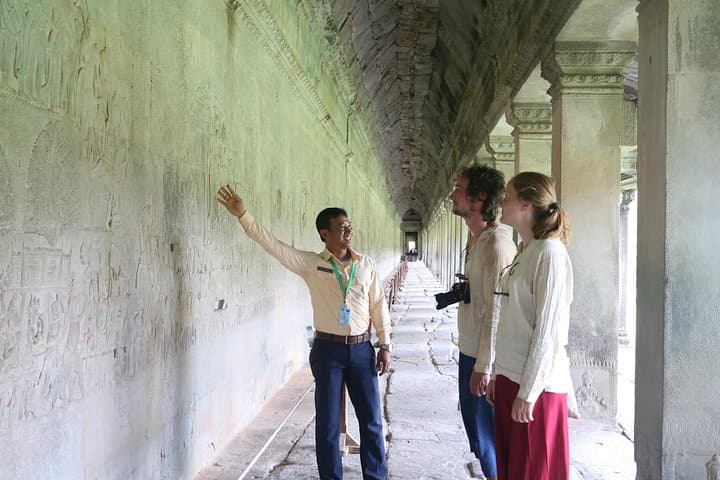
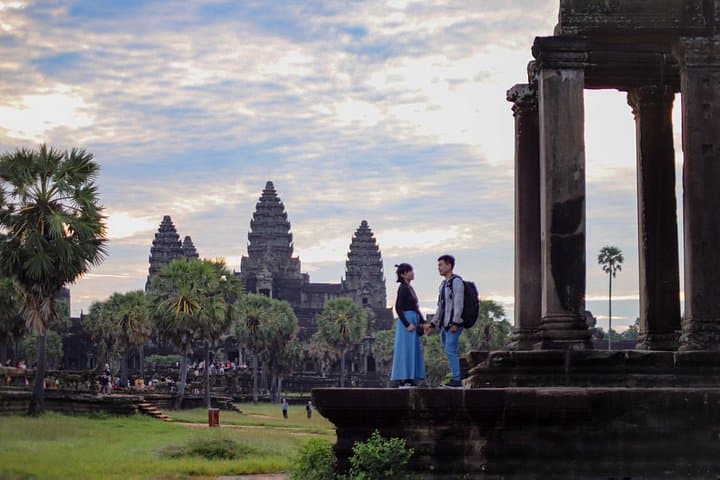
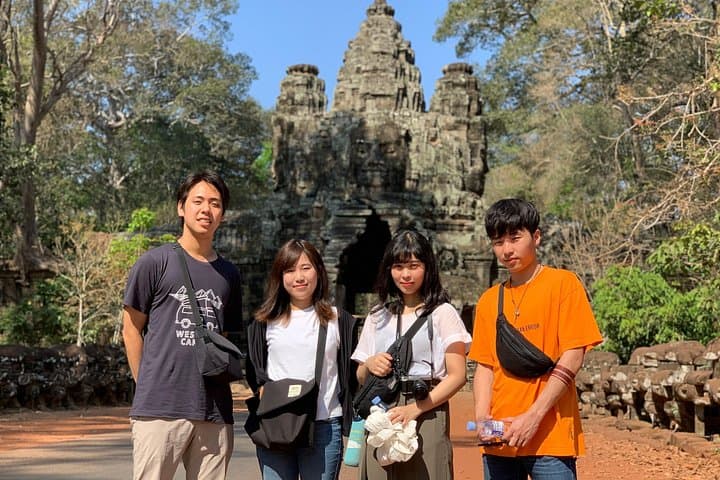
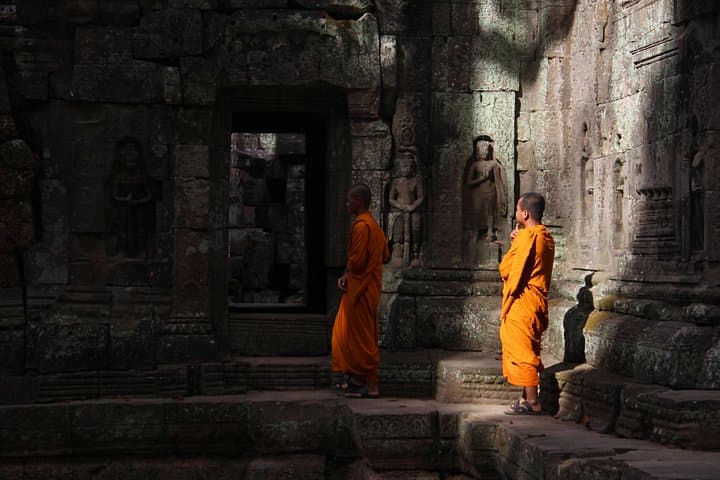
You step out before dawn, the air still cool as the silhouette of Angkor Wat slices the sky. Lantern-lit paths give way to wide stone causeways; carved faces watch you move and the first light brushes bas-reliefs that have watched centuries pass. Over five days the trip shifts between carved sandstone, a holy river of lingas, and villages on stilts where boats are front doors.
You step out before dawn, the air still cool as the silhouette of Angkor Wat slices the sky. Lantern-lit paths give way to wide stone causeways; carved faces watch you move and the first light brushes bas-reliefs that have watched centuries pass. Over five days the trip shifts between carved sandstone, a holy river of lingas, and villages on stilts where boats are front doors.
This itinerary threads Khmer history with natural landscape: Angkor’s 9th–13th century temples built under successive kings, the jungle-wrecked glory of Ta Prohm, and Phnom Kulen’s sacred river carved with Shiva lingas. Geologically the region is flat laterite and sandstone; Phnom Kulen is a modest uplift whose falls and pools formed from erosional slabs. Culturally, floating villages and Battambang’s rural crafts reveal daily life beyond Angkor’s ruins.
Practical guidance is straightforward. Expect long days of walking on uneven stone, brief climbs (Phnom Bakheng and hilltop temples have stair sections), and a 1.5–4 hour drive between Siem Reap and Battambang depending on stops. The tour includes private A/C transport, licensed guide, cool towels and bottled water; Angkor Park passes are required and typically bought separately. Pack sun protection, sturdy shoes with good grip, and a light rain layer in wet months. Time sunrise visits early (pick-up around 4:30–5:00) and schedule Kulen or Tonle Sap in the cooler parts of the day to avoid peak sun and afternoon storms. Respect temple etiquette—cover shoulders and knees—and leave no trace at fragile sites. With practical prep, this private route through history and river life is both accessible and richly rewarding.