THE ADVENTURE COLLECTIVE® · Independent discovery and booking for outdoor travel

Crossing from Kathmandu’s temple-cluttered lanes to Pokhara’s mirror-still lake, this five-day loop pairs cultural immersion with accessible mountain scenery. Expect cable car thrills, sunrise ridgeline views, and heritage city walks.
Crossing from Kathmandu’s temple-cluttered lanes to Pokhara’s mirror-still lake, this five-day loop pairs cultural immersion with accessible mountain scenery. Expect cable car thrills, sunrise ridgeline views, and heritage city walks.
A low morning sun washes over Kathmandu’s redbrick roofs as your guide navigates the narrow lanes toward the airport road. Within hours the landscape changes: terraced rice slopes and roadside temples give way to the steep cable car ascent at Manakamana, where prayer flags snap like mapped-out wind directions and the valley opens beneath you.
Verified experiences and guided adventures in the surrounding area.
Operated by AM Travels and Tours · Kathmandu, Bagmati Province
A low morning sun washes over Kathmandu’s redbrick roofs as your guide navigates the narrow lanes toward the airport road. Within hours the landscape changes: terraced rice slopes and roadside temples give way to the steep cable car ascent at Manakamana, where prayer flags snap like mapped-out wind directions and the valley opens beneath you.
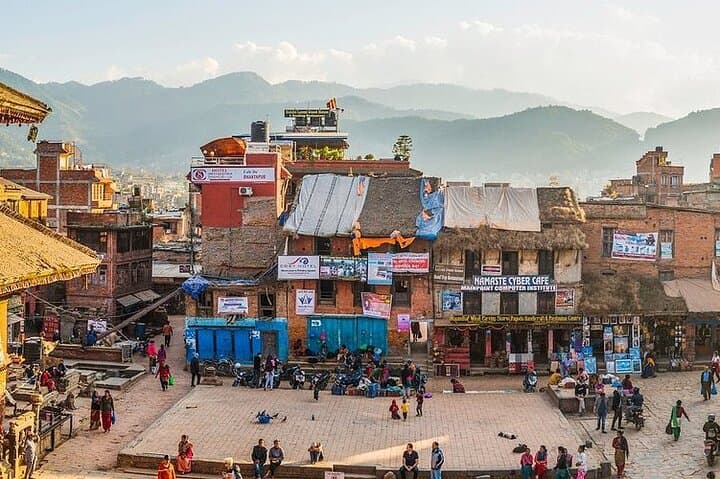
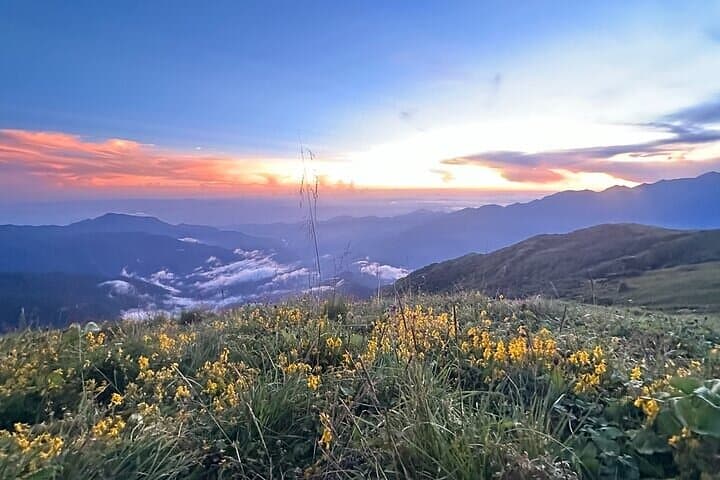
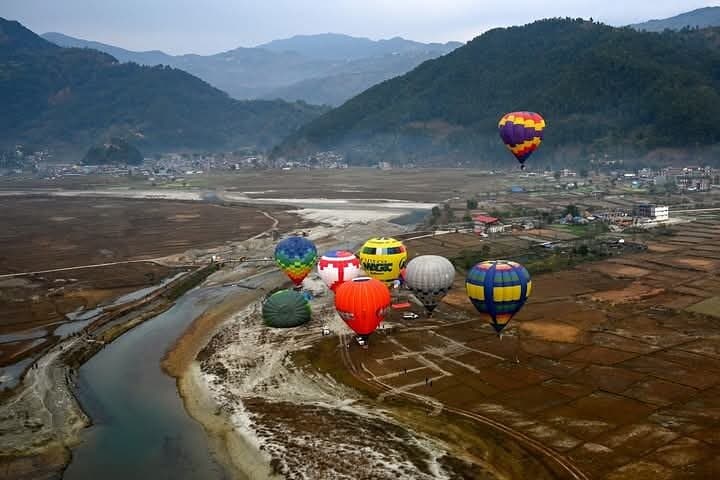
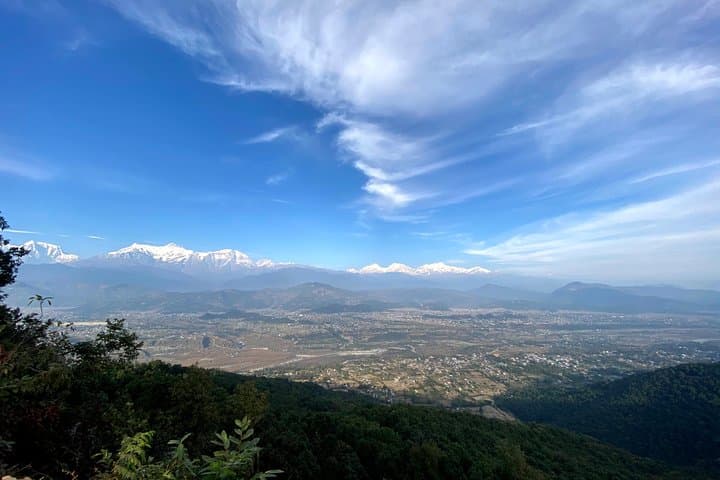
This five-day loop moves between two of Nepal’s cultural cores—Kathmandu and Pokhara—touching Bhaktapur’s UNESCO brick courtyards, the shrine-cluttered banks of Pashupatinath, and Pokhara’s placid Fewa Lake. Geologically, you travel from the Kathmandu Valley’s older sedimentary basins up into the younger hills that frame the Annapurnas; Sarangkot’s ridge is an accessible vantage, roughly 1,600–1,700 m elevation, famous for alpine sunrises and unobstructed views of Annapurna and Dhaulagiri.
Culturally, expect living heritage: Newar pottery districts in Bhaktapur, Sanskrit chants at Pashupatinath, and Tibetan influences visible in Manakamana’s pilgrimage rituals. The International Mountain Museum in Pokhara offers context—mountaineering, geology, and local mountain life compressed into one compact exhibit.
Practical guidance: travel by private vehicle and scheduled tourist coach for intercity legs; be ready for early starts (Sarangkot sunrise requires a 35–45 minute drive), modest hikes and many stone steps at temples. Pack a lightweight rain layer, sturdy walking shoes, and cash for small temple donations and local teahouses. Hydrate at altitude, move deliberately on uneven stone streets, and allow extra time for traffic when planning flights. This itinerary suits travelers who want cultural depth with easy-paced outdoor highlights.
easy.
5 days.
Suitable for travelers with basic mobility; requires short walks, steps, and early morning rises but no technical fitness.
Yes; the itinerary uses private vehicles for city transfers and includes easy walks—guides handle logistics and cultural introductions.
Expect short urban walks, steps at temples, and brief drives to viewpoints like Sarangkot—no sustained trekking required.
This tour description notes sightseeing and cable car visits but confirm with the operator whether specific admissions are covered or paid on-site.
Autumn (Sept–Nov) and spring (Mar–May) offer the clearest mountain views and comfortable temperatures; monsoon months bring rain and reduced visibility.
Bhaktapur and Kathmandu were once independent city-states of the Malla kingdom; their durbar squares preserve medieval Newar architecture and guild traditions.
Tourism can strain water and waste systems—choose local services that follow waste management practices and avoid single-use plastics when possible.
AM Travels and Tours operates guided outdoor trips and adventures with an emphasis on safety, stewardship, and memorable experiences.
A low morning sun washes over Kathmandu’s redbrick roofs as your guide navigates the narrow lanes toward the airport road. Within hours the landscape changes: terraced rice slopes and roadside temples give way to the steep cable car ascent at Manakamana, where prayer flags snap like mapped-out wind directions and the valley opens beneath you.
A low morning sun washes over Kathmandu’s redbrick roofs as your guide navigates the narrow lanes toward the airport road. Within hours the landscape changes: terraced rice slopes and roadside temples give way to the steep cable car ascent at Manakamana, where prayer flags snap like mapped-out wind directions and the valley opens beneath you.
This five-day loop moves between two of Nepal’s cultural cores—Kathmandu and Pokhara—touching Bhaktapur’s UNESCO brick courtyards, the shrine-cluttered banks of Pashupatinath, and Pokhara’s placid Fewa Lake. Geologically, you travel from the Kathmandu Valley’s older sedimentary basins up into the younger hills that frame the Annapurnas; Sarangkot’s ridge is an accessible vantage, roughly 1,600–1,700 m elevation, famous for alpine sunrises and unobstructed views of Annapurna and Dhaulagiri.
Culturally, expect living heritage: Newar pottery districts in Bhaktapur, Sanskrit chants at Pashupatinath, and Tibetan influences visible in Manakamana’s pilgrimage rituals. The International Mountain Museum in Pokhara offers context—mountaineering, geology, and local mountain life compressed into one compact exhibit.
Practical guidance: travel by private vehicle and scheduled tourist coach for intercity legs; be ready for early starts (Sarangkot sunrise requires a 35–45 minute drive), modest hikes and many stone steps at temples. Pack a lightweight rain layer, sturdy walking shoes, and cash for small temple donations and local teahouses. Hydrate at altitude, move deliberately on uneven stone streets, and allow extra time for traffic when planning flights. This itinerary suits travelers who want cultural depth with easy-paced outdoor highlights.