THE ADVENTURE COLLECTIVE® · Independent discovery and booking for outdoor travel

Climb Mount Kenya via the Sirimon Route in five days: forested approaches, high moorland views and a pre‑dawn summit push to Point Lenana. This route favors steady acclimatization and dramatic ridge walking without technical rock climbing.
Climb Mount Kenya via the Sirimon Route in five days: forested approaches, high moorland views and a pre‑dawn summit push to Point Lenana. This route favors steady acclimatization and dramatic ridge walking without technical rock climbing.
Dawn on the Sirimon ridge throws light across granite ribs and brittle heather; boots crunch on a trail that climbs from montane forest into a wide, wind‑scoured alpine moor. The Sirimon Route approaches Mount Kenya from the drier northwest, offering long ridgelines, panoramic views into Mackinders Valley and an ascent that feels deliberate rather than rushed.
Verified experiences and guided adventures in the surrounding area.
Operated by Shagami Kenya Tours and Safaris · Nanyuki, Laikipia County
Dawn on the Sirimon ridge throws light across granite ribs and brittle heather; boots crunch on a trail that climbs from montane forest into a wide, wind‑scoured alpine moor. The Sirimon Route approaches Mount Kenya from the drier northwest, offering long ridgelines, panoramic views into Mackinders Valley and an ascent that feels deliberate rather than rushed.
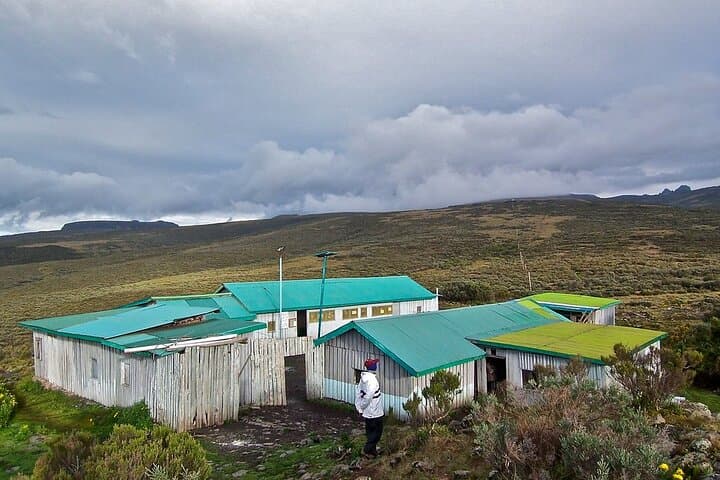
Mount Kenya is an eroded stratovolcano whose hard nepheline syenites and granite cliffs tell a million‑year story of uplift and glaciation. Local Kikuyu and Meru communities have long regarded the peaks as sacred; colonial-era surveys later turned Point Lenana into a popular non‑technical summit for international climbers. Along this five‑day itinerary hikers move from forest through heath to high moor and alpine scree, spending key nights at Judmaier (Old Moses), Shipton Camp and Mintos Hut or equivalent.
Expect day lengths of 3–7 hours on approach days and a predawn 3–4 hour push to Point Lenana from Shipton, followed by a long descent to Chogoria. Weather shifts fast: wind and cloud can close visibility and temperatures drop sharply above 3,500 m. Guides handle logistics and park permits; treated water is usually supplied on trek.
Practical counsel: prioritize gradual ascent and sleep at higher camps to acclimatize, carry warm layers and a reliable headlamp for summit mornings, and use sturdy waterproof boots and trekking poles for loose scree. Plan for early starts, hydrate often, and leave no trace—Mount Kenya National Park protects fragile high‑altitude ecology that recovers slowly from trail erosion and litter.
challenging.
5 days.
Good cardiovascular fitness and prior multi‑day hiking experience recommended; ability to handle long days at altitude.
No—Point Lenana is a non‑technical trek; however the itinerary involves long days at altitude and loose scree, so good fitness and sure footing are necessary.
Point Lenana is approximately 4,985 meters (16,355 ft); expect cold, thin air and reduced exertion capacity compared with sea level.
Most organized treks include Mount Kenya National Park entrance fees and government taxes—confirm on booking and carry ID for park check points.
Acclimatize gradually, stay hydrated, avoid alcohol, communicate symptoms to your guide immediately; descent is the primary treatment for persistent or severe symptoms.
Mount Kenya is an ancient eroded stratovolcano considered sacred by local Kikuyu and Meru communities and later mapped by colonial expeditions; its peaks have long drawn scientific and mountaineering interest.
Mount Kenya National Park is a protected area—stay on trails, pack out all waste and follow guide instructions to limit erosion and disturbance to fragile alpine vegetation.
Shagami Kenya Tours and Safaris operates guided outdoor trips and adventures with an emphasis on safety, stewardship, and memorable experiences.
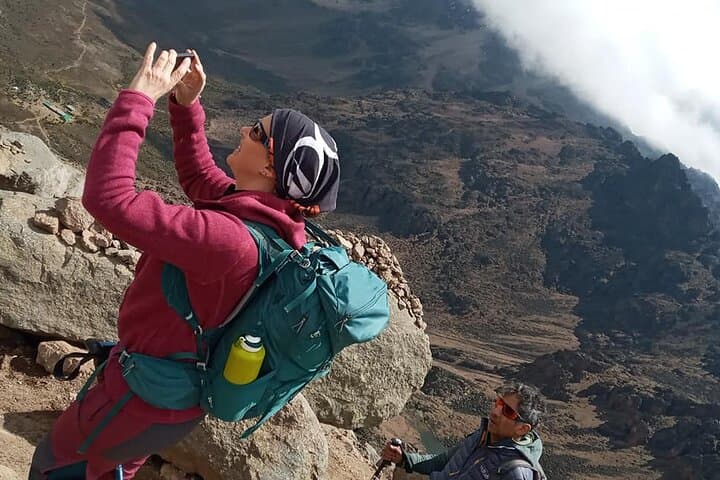
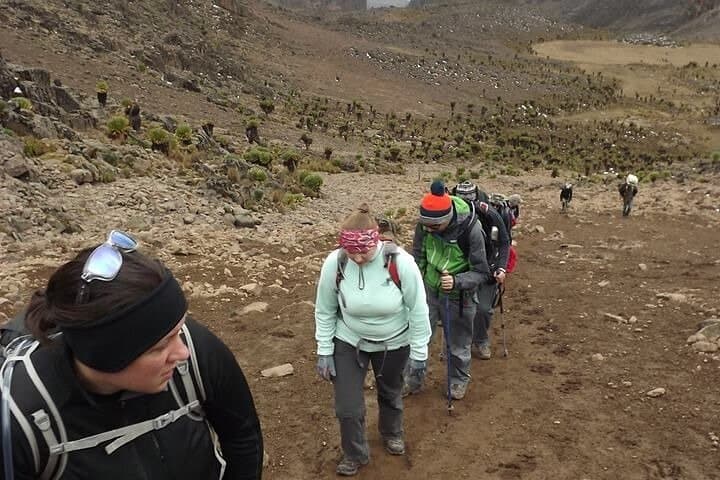
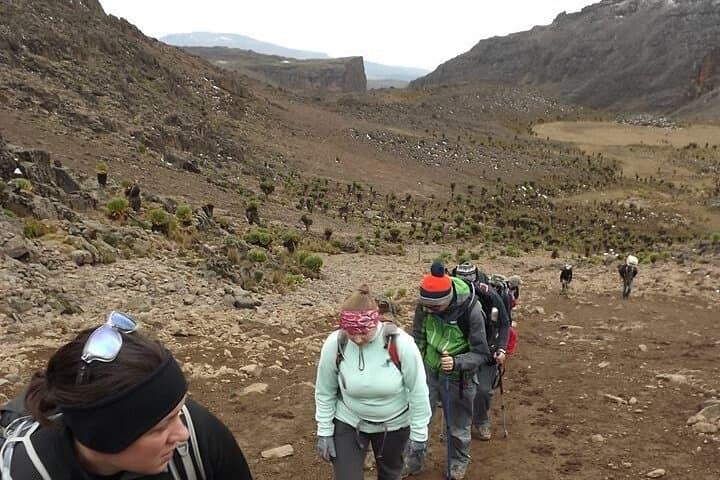
Dawn on the Sirimon ridge throws light across granite ribs and brittle heather; boots crunch on a trail that climbs from montane forest into a wide, wind‑scoured alpine moor. The Sirimon Route approaches Mount Kenya from the drier northwest, offering long ridgelines, panoramic views into Mackinders Valley and an ascent that feels deliberate rather than rushed.
Dawn on the Sirimon ridge throws light across granite ribs and brittle heather; boots crunch on a trail that climbs from montane forest into a wide, wind‑scoured alpine moor. The Sirimon Route approaches Mount Kenya from the drier northwest, offering long ridgelines, panoramic views into Mackinders Valley and an ascent that feels deliberate rather than rushed.
Mount Kenya is an eroded stratovolcano whose hard nepheline syenites and granite cliffs tell a million‑year story of uplift and glaciation. Local Kikuyu and Meru communities have long regarded the peaks as sacred; colonial-era surveys later turned Point Lenana into a popular non‑technical summit for international climbers. Along this five‑day itinerary hikers move from forest through heath to high moor and alpine scree, spending key nights at Judmaier (Old Moses), Shipton Camp and Mintos Hut or equivalent.
Expect day lengths of 3–7 hours on approach days and a predawn 3–4 hour push to Point Lenana from Shipton, followed by a long descent to Chogoria. Weather shifts fast: wind and cloud can close visibility and temperatures drop sharply above 3,500 m. Guides handle logistics and park permits; treated water is usually supplied on trek.
Practical counsel: prioritize gradual ascent and sleep at higher camps to acclimatize, carry warm layers and a reliable headlamp for summit mornings, and use sturdy waterproof boots and trekking poles for loose scree. Plan for early starts, hydrate often, and leave no trace—Mount Kenya National Park protects fragile high‑altitude ecology that recovers slowly from trail erosion and litter.