THE ADVENTURE COLLECTIVE® · Independent discovery and booking for outdoor travel

A five-day overland loop from Marrakech through the High Atlas to the Erg Chebbi dunes—mixing kasbahs, mountain passes, and a starry desert camp. Expect long drives, guided medina tours, camel treks, and sunrise dune climbs.
A five-day overland loop from Marrakech through the High Atlas to the Erg Chebbi dunes—mixing kasbahs, mountain passes, and a starry desert camp. Expect long drives, guided medina tours, camel treks, and sunrise dune climbs.
The sun tilts low over a sea of ochre as your convoy slips off the main road and into sand that seems to swallow sound. By the third day you trade a paved highway for a camel’s patient gait, climbing soft ridges of Erg Chebbi while the Sahara rearranges the light around you.
Verified experiences and guided adventures in the surrounding area.
Operated by Morocco Global Adventures · Merzouga, Drâa-Tafilalet
The sun tilts low over a sea of ochre as your convoy slips off the main road and into sand that seems to swallow sound. By the third day you trade a paved highway for a camel’s patient gait, climbing soft ridges of Erg Chebbi while the Sahara rearranges the light around you.
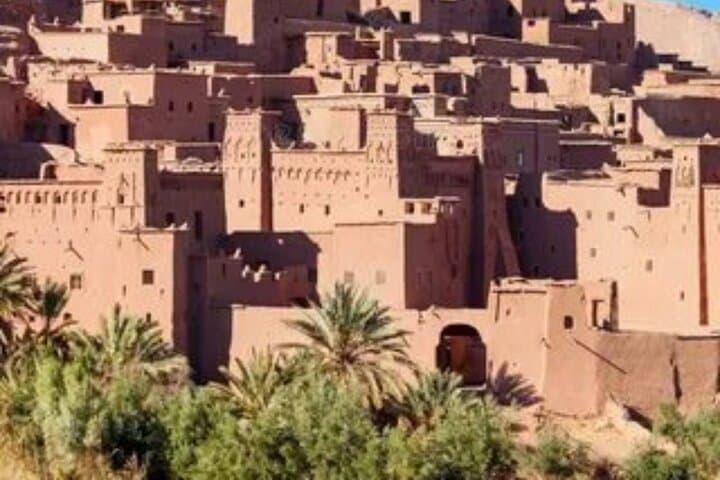
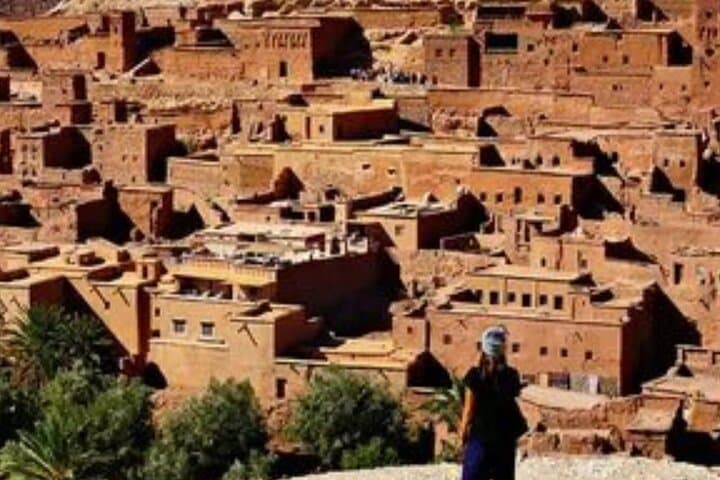
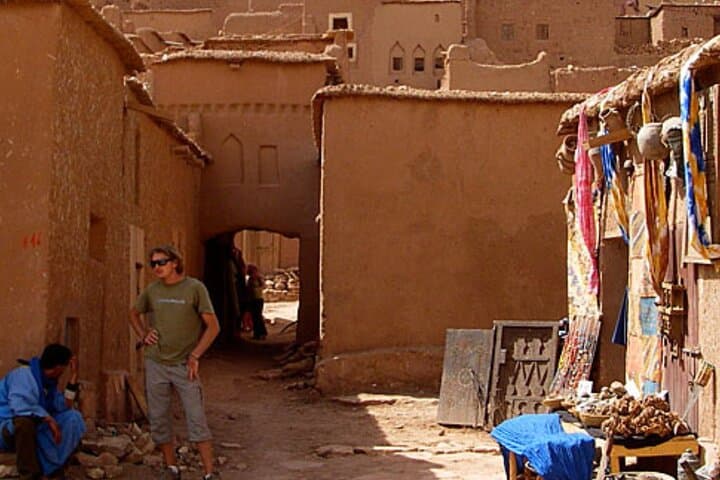
This route threads modern Morocco with older lines: Roman roads and trans-Saharan caravan tracks gave way to kasbah clusters and the mud-brick fortresses of Ait Ben Haddou, now a UNESCO site. Geologically the Atlas Mountains are young fold ranges of shale and limestone that force Atlantic clouds to drop rain on northern slopes, leaving the southeastern plains and Tafilalet to dry into palm-lined oases. Culturally, Berber villages and market towns keep artisanal crafts and spice trades alive—expect lively souks in Marrakech and carpets, argan oil, and herbal knowledge on the road.
Practical guidance: plan light bags for the desert night—you’ll leave most luggage at a hotel and take only essentials for the camp. Travel windows through the High Atlas (Tizi n’Tichka) are narrow: mornings bring clear views; afternoons can stir wind and dust. Hydrate, wear layered clothing for hot days and cold nights, and choose footwear that handles rocky gorges and sand alike.
The trip balances long drives with short hikes, guided medina walks, and two camel rides timed for sunset and sunrise—ideal for travelers wanting cultural depth and the elemental drama of the Sahara without technical climbing or heavy logistics.
moderate.
5 days.
Suitable for travelers in average fitness: short dune hikes and camel rides require basic mobility but no technical conditioning.
The itinerary is rated easy to moderate—most travel is by vehicle with short guided walks, camel rides, and light dune hikes; no technical skills required.
Yes; camels are led by experienced handlers, rides are short and gentle, but let your guide know if you have back issues or mobility concerns.
Mix of 3*–4* hotels and an overnight in a desert camp (Berber-style tents) with basic amenities and dinner provided.
Visa and vaccination requirements depend on your nationality—check Moroccan entry rules and routine travel vaccinations before departure.
The route follows centuries-old trade corridors and showcases earthen kasbah architecture; Ait Ben Haddou served as a caravan stop and a film location for its preserved mud-brick townscape.
The Sahara and the Draa-Tafilalet oasis system are fragile—minimize water use, avoid disturbing dune vegetation, and follow local guides’ instructions to reduce impact.
Morocco Global Adventures operates guided outdoor trips and adventures with an emphasis on safety, stewardship, and memorable experiences.
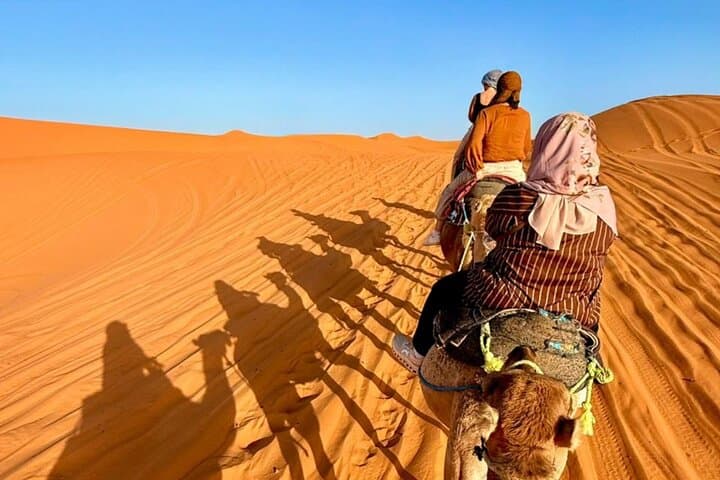
The sun tilts low over a sea of ochre as your convoy slips off the main road and into sand that seems to swallow sound. By the third day you trade a paved highway for a camel’s patient gait, climbing soft ridges of Erg Chebbi while the Sahara rearranges the light around you.
The sun tilts low over a sea of ochre as your convoy slips off the main road and into sand that seems to swallow sound. By the third day you trade a paved highway for a camel’s patient gait, climbing soft ridges of Erg Chebbi while the Sahara rearranges the light around you.
This route threads modern Morocco with older lines: Roman roads and trans-Saharan caravan tracks gave way to kasbah clusters and the mud-brick fortresses of Ait Ben Haddou, now a UNESCO site. Geologically the Atlas Mountains are young fold ranges of shale and limestone that force Atlantic clouds to drop rain on northern slopes, leaving the southeastern plains and Tafilalet to dry into palm-lined oases. Culturally, Berber villages and market towns keep artisanal crafts and spice trades alive—expect lively souks in Marrakech and carpets, argan oil, and herbal knowledge on the road.
Practical guidance: plan light bags for the desert night—you’ll leave most luggage at a hotel and take only essentials for the camp. Travel windows through the High Atlas (Tizi n’Tichka) are narrow: mornings bring clear views; afternoons can stir wind and dust. Hydrate, wear layered clothing for hot days and cold nights, and choose footwear that handles rocky gorges and sand alike.
The trip balances long drives with short hikes, guided medina walks, and two camel rides timed for sunset and sunrise—ideal for travelers wanting cultural depth and the elemental drama of the Sahara without technical climbing or heavy logistics.