THE ADVENTURE COLLECTIVE® · Independent discovery and booking for outdoor travel

Leave Marrakech for five days of Atlas passes, Aït Benhaddou’s ksar, Todgha Gorge, and Merzouga’s dunescapes. Expect long drives balanced with camel treks, desert camp nights, and close encounters with Berber culture.
Leave Marrakech for five days of Atlas passes, Aït Benhaddou’s ksar, Todgha Gorge, and Merzouga’s dunescapes. Expect long drives balanced with camel treks, desert camp nights, and close encounters with Berber culture.
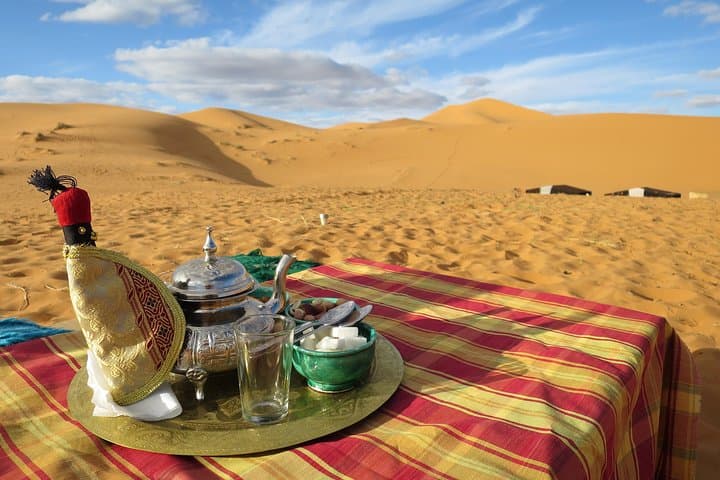
On the road out of Marrakech at dawn, red earth and almond trees slide past the minibus windows. By late afternoon the dunes of Merzouga rise like great slow waves—gold and wind-sculpted—offering a silence that dares you to listen. Camels clip across rippled sand; nomad musicians tune simple drums and the desert sky opens to stars.
Verified experiences and guided adventures in the surrounding area.
Operated by Tours 4 you · Marrakech, Marrakech-Safi
On the road out of Marrakech at dawn, red earth and almond trees slide past the minibus windows. By late afternoon the dunes of Merzouga rise like great slow waves—gold and wind-sculpted—offering a silence that dares you to listen. Camels clip across rippled sand; nomad musicians tune simple drums and the desert sky opens to stars.
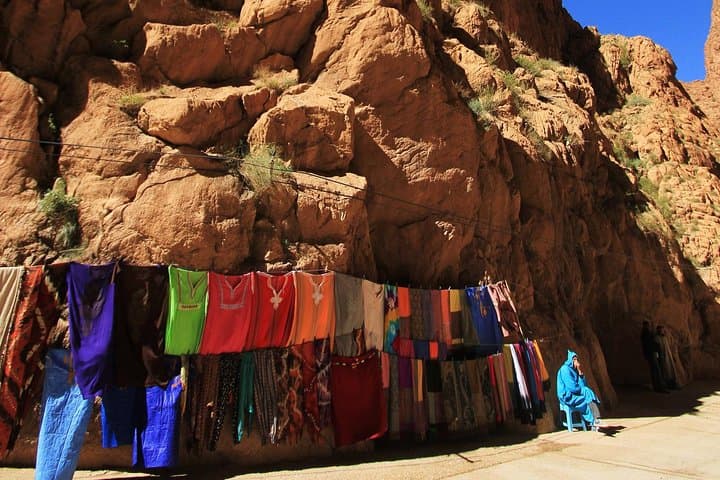
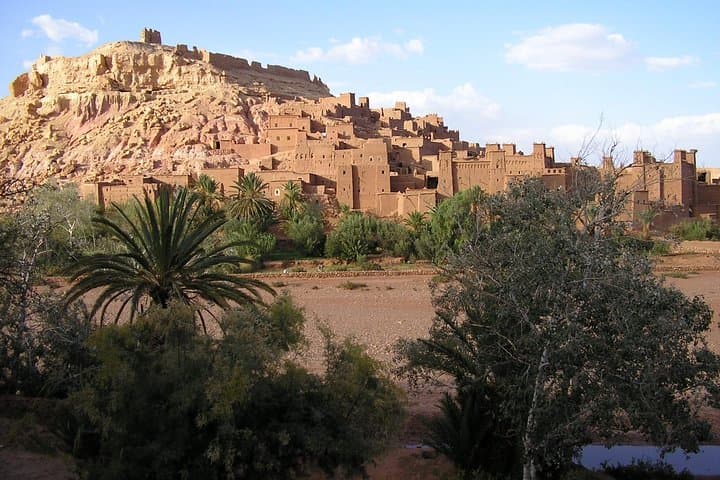
This route tracks ancient caravan corridors and the High Atlas drainages. Aït Benhaddou’s mud-brick ksar shows why this landscape hosted imperial trade and countless film crews; Todgha Gorge lays bare limestone walls cut by seasonal floods. Along the way, Berber hospitality centers the journey: mint tea, tagine, and the cadence of oral history passed between towns.
Expect long drives punctuated by short hikes, market stops in Rissani and Arfoud, a late-afternoon camel ride into the erg, and an overnight bivouac under open sky. Terrain moves from mountain passes and rocky gorges to arid plains and soft dune slopes—sand walking can be tiring on steeper faces.
Practical guidance: pack layers for big temperature swings, bring a 1.5–2 L water bottle and sunscreen, and travel light—desert camps and camels favor compact luggage. Wear sturdy closed shoes for rocky stops and gaiters for sand. Morning and evening light are best for photos; protect gear from grit. Confirm pickup point in Marrakech and check shoulder-season departures (spring/fall) for milder temperatures. Respect local customs, follow your guide in sensitive dune areas, and leave no trace—the desert recovers slowly.
moderate.
5 days (approx. 120 hours).
Suitable for travelers in average fitness—able to do short hikes, mount/dismount camels, and manage uneven sand.
Yes—many families take this route; long drives and camel rides can be tiring for very young children, so check pickup logistics and request infant seats if needed.
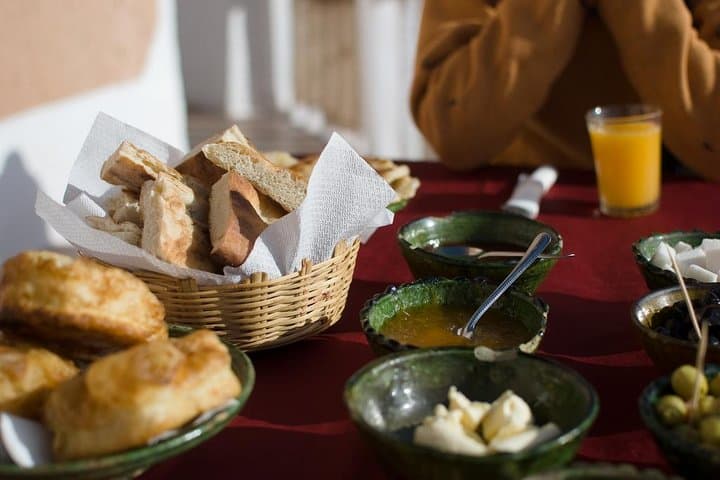
Typical inclusions are accommodations, some meals (breakfasts and dinners as listed), transfers, a guide, camel trek to the desert camp and camp lodging—confirm specifics with the operator.
Camel rides require no technical skill but involve mounting and balancing; dune walking can be physically taxing on soft sand—good ankle support and moderate fitness help.
Carry Moroccan dirhams for small purchases and tips; tipping guide/camp staff is customary—small amounts per service are typical.
The route follows historic desert trade corridors; Aït Benhaddou is a UNESCO-listed ksar that grew on trans-Saharan trafficking and film production history.
Dune ecosystems are fragile and water is scarce—stick to guided routes, avoid disturbing vegetation, and pack out all waste.
Tours 4 you operates guided outdoor trips and adventures with an emphasis on safety, stewardship, and memorable experiences.
On the road out of Marrakech at dawn, red earth and almond trees slide past the minibus windows. By late afternoon the dunes of Merzouga rise like great slow waves—gold and wind-sculpted—offering a silence that dares you to listen. Camels clip across rippled sand; nomad musicians tune simple drums and the desert sky opens to stars.
On the road out of Marrakech at dawn, red earth and almond trees slide past the minibus windows. By late afternoon the dunes of Merzouga rise like great slow waves—gold and wind-sculpted—offering a silence that dares you to listen. Camels clip across rippled sand; nomad musicians tune simple drums and the desert sky opens to stars.
This route tracks ancient caravan corridors and the High Atlas drainages. Aït Benhaddou’s mud-brick ksar shows why this landscape hosted imperial trade and countless film crews; Todgha Gorge lays bare limestone walls cut by seasonal floods. Along the way, Berber hospitality centers the journey: mint tea, tagine, and the cadence of oral history passed between towns.
Expect long drives punctuated by short hikes, market stops in Rissani and Arfoud, a late-afternoon camel ride into the erg, and an overnight bivouac under open sky. Terrain moves from mountain passes and rocky gorges to arid plains and soft dune slopes—sand walking can be tiring on steeper faces.
Practical guidance: pack layers for big temperature swings, bring a 1.5–2 L water bottle and sunscreen, and travel light—desert camps and camels favor compact luggage. Wear sturdy closed shoes for rocky stops and gaiters for sand. Morning and evening light are best for photos; protect gear from grit. Confirm pickup point in Marrakech and check shoulder-season departures (spring/fall) for milder temperatures. Respect local customs, follow your guide in sensitive dune areas, and leave no trace—the desert recovers slowly.