THE ADVENTURE COLLECTIVE® · Independent discovery and booking for outdoor travel

A five-day route that pairs Kunming’s Stone Forest with Luoping’s vast canola fields and the tiered Nine-Dragon Waterfall. Ideal for photographers and travelers seeking dramatic karst landscapes and sunrise over Golden Rooster Hill.
A five-day route that pairs Kunming’s Stone Forest with Luoping’s vast canola fields and the tiered Nine-Dragon Waterfall. Ideal for photographers and travelers seeking dramatic karst landscapes and sunrise over Golden Rooster Hill.
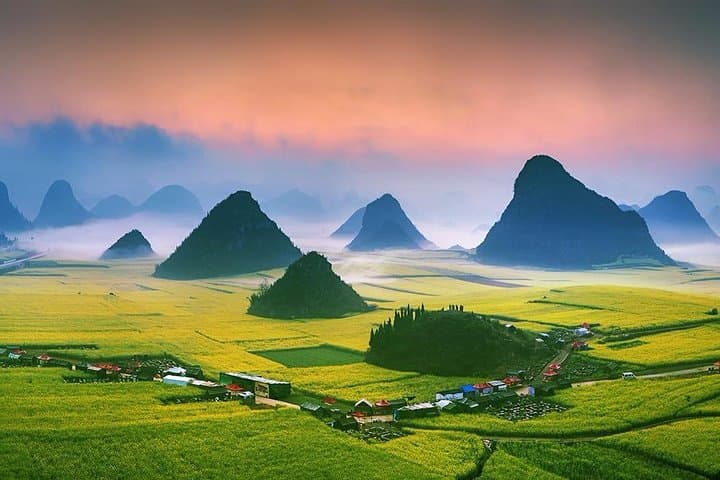
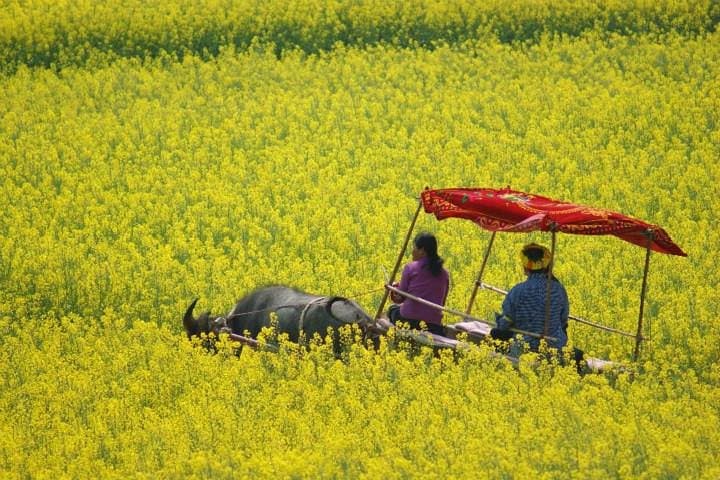
You arrive before dawn on a crisp Yunnan morning and the road toward Luoping unwinds like a ribbon through karst ridges. Light pours across low basins and the first rays turn fields into a moving gold—rapeseed blooms that push the horizon into waves. The air smells faintly of earth and diesel; farmers and photographers both move with purpose.
Verified experiences and guided adventures in the surrounding area.
Operated by Marco Polo electronic commerce co.,LTD · Kunming, Yunnan
You arrive before dawn on a crisp Yunnan morning and the road toward Luoping unwinds like a ribbon through karst ridges. Light pours across low basins and the first rays turn fields into a moving gold—rapeseed blooms that push the horizon into waves. The air smells faintly of earth and diesel; farmers and photographers both move with purpose.
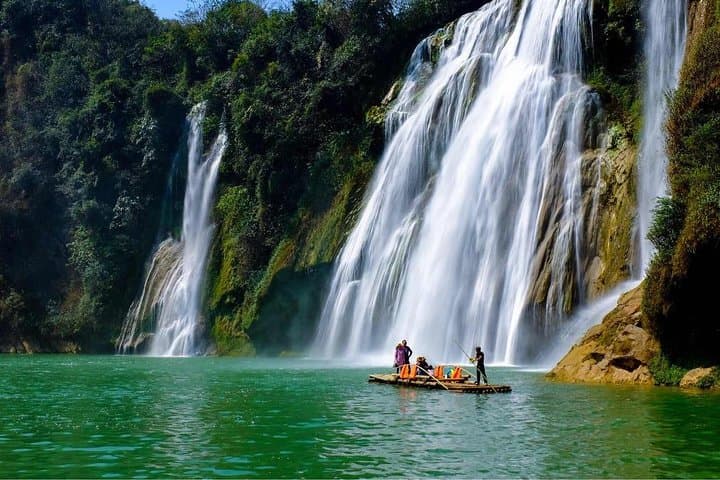
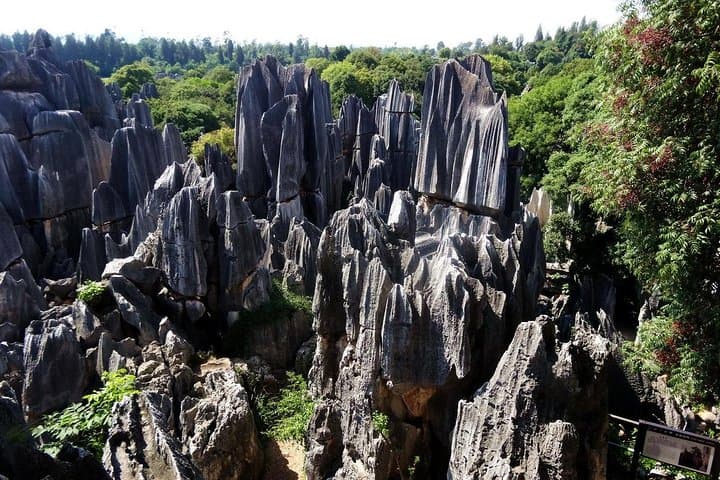
This five-day route threads Kunming’s urban calm with rural spectacle: the Stone Forest’s limestone pillars—ancient reef structures sculpted by water and time—then east to Luoping’s tens of thousands of acres of canola and the multi-tiered Nine-Dragon Waterfall reached by cable car. Along the way you’ll visit Jinjiling (Golden Rooster Hill) for sunrise, explore the Hundred Thousand Hills photo areas, and meet Sani village communities who keep Yi-language songs alive beside Stone Forest Lake.
Geology here is frank: Permian limestone uplifted and eroded into towers and sink basins; agriculture has adapted to karst microbasins that cradle the rapeseed fields. Culturally the region blends Han urban Kunming with minority Yi and Sani traditions; markets and village performances are practical windows into daily life.
Practically: expect long drives (Kunming–Luoping ≈ 230 km one way), short walks to viewpoints, and crowded photo platforms at sunrise. Carry layered clothing for cool mornings and warm afternoons, a rain shell for sudden showers, and a good camera with polarizer. Respect marked paths—fields regenerate fast but trampling destroys young plants. Time your trip for late February–March to catch peak bloom.
easy.
5 days.
Suitable for travelers in average fitness; requires getting in and out of vehicles, short uphill walks to viewpoints, and standing at photo spots.
Late February through March is the peak bloom window when most fields are at full color and sunrise vistas are spectacular.
Luoping is about 230 km east of Kunming; travel time by road is typically 4–6 hours depending on traffic and road conditions.
Yes—the main Stone Forest areas have paved paths and short stairs; some sections require a bit of climbing but many viewpoints are accessible with moderate mobility.
This itinerary includes bottled water and three lunches; local restaurants serve regional Yunnan dishes, and vegetarian options are usually available with advance notice.
The Stone Forest is a karst limestone landscape shaped over hundreds of millions of years; the area is also home to Sani (Yi) communities with distinct languages and performance traditions.
Stone Forest is a UNESCO-protected site with managed trails; in Luoping, stay off planted basins and support local guides to minimize footprint on fragile agricultural landscapes.
Marco Polo electronic commerce co.,LTD operates guided outdoor trips and adventures with an emphasis on safety, stewardship, and memorable experiences.
You arrive before dawn on a crisp Yunnan morning and the road toward Luoping unwinds like a ribbon through karst ridges. Light pours across low basins and the first rays turn fields into a moving gold—rapeseed blooms that push the horizon into waves. The air smells faintly of earth and diesel; farmers and photographers both move with purpose.
You arrive before dawn on a crisp Yunnan morning and the road toward Luoping unwinds like a ribbon through karst ridges. Light pours across low basins and the first rays turn fields into a moving gold—rapeseed blooms that push the horizon into waves. The air smells faintly of earth and diesel; farmers and photographers both move with purpose.
This five-day route threads Kunming’s urban calm with rural spectacle: the Stone Forest’s limestone pillars—ancient reef structures sculpted by water and time—then east to Luoping’s tens of thousands of acres of canola and the multi-tiered Nine-Dragon Waterfall reached by cable car. Along the way you’ll visit Jinjiling (Golden Rooster Hill) for sunrise, explore the Hundred Thousand Hills photo areas, and meet Sani village communities who keep Yi-language songs alive beside Stone Forest Lake.
Geology here is frank: Permian limestone uplifted and eroded into towers and sink basins; agriculture has adapted to karst microbasins that cradle the rapeseed fields. Culturally the region blends Han urban Kunming with minority Yi and Sani traditions; markets and village performances are practical windows into daily life.
Practically: expect long drives (Kunming–Luoping ≈ 230 km one way), short walks to viewpoints, and crowded photo platforms at sunrise. Carry layered clothing for cool mornings and warm afternoons, a rain shell for sudden showers, and a good camera with polarizer. Respect marked paths—fields regenerate fast but trampling destroys young plants. Time your trip for late February–March to catch peak bloom.