THE ADVENTURE COLLECTIVE® · Independent discovery and booking for outdoor travel

A compact five-day loop across Central and East Java: Borobudur at sunrise, three Bromo viewpoints, Tumpak Sewu’s tiered falls, and Ijen’s blue fire—an itinerary that pairs iconic sights with off-beat hiking. Read on for what to expect and how to prepare.
A compact five-day loop across Central and East Java: Borobudur at sunrise, three Bromo viewpoints, Tumpak Sewu’s tiered falls, and Ijen’s blue fire—an itinerary that pairs iconic sights with off-beat hiking. Read on for what to expect and how to prepare.
Before dawn on Java you feel the road lean forward—headlights cutting through sugarcane and small towns as guides shepherd you toward ancient stone and living volcanoes.
Verified experiences and guided adventures in the surrounding area.
Operated by Java Tour For School · Yogyakarta, Special Region of Yogyakarta
Before dawn on Java you feel the road lean forward—headlights cutting through sugarcane and small towns as guides shepherd you toward ancient stone and living volcanoes.
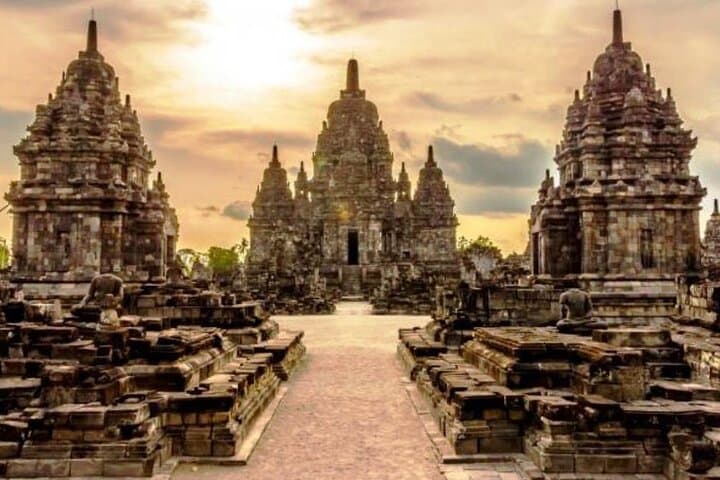
Start at Borobudur: from Puthuk Setumbu hill the temple’s silhouette sits low against a widening sky while reliefs and stupas catch first light. Prambanan’s spires carry a later-day drama of Hindu architecture. Then the landscape changes to volcanic sand—Bromo’s crater exhales steam and the savannah opens like a raw page; quieter side ridges reward hikers with crater rims and wide views for those willing to trade an extra hour of ascent.
Tumpak Sewu brings a different tempo: a tiered curtain of water dropping into a green amphitheater, often veiled by morning mist and rainbows. Ijen’s acid lake and the rare blue fire phenomenon are geological theatre—sulfur crystals ignite where gas combusts, visible only under the right conditions and safe gas levels.
This route threads culture and geology: Borobudur dates to the 9th century Sailendra dynasty; the Tengger people around Bromo maintain Hindu traditions amid Islamic-majority Java. Expect pre-dawn transfers, uneven volcanic sand, steep staircases and some rough jungle tracks.
Practical edge: pack a headlamp and windproof layers, bring a filtration mask for Ijen’s sulfur risk, and wear sturdy, broken-in hiking shoes with good grip. Hydrate and pace the early-morning climbs—guides set timings to align with sunrise windows. Respect local customs at temples and follow guides’ advice about gas conditions at Ijen; when authorities close the crater, it’s for safety—not spectacle.
moderate.
5 days.
Moderate fitness—regular walkers who can handle 1–2 hour uphill sections and stairs will be fine; expect multiple early starts.
The drier months (April–October) are best for clearer skies and safer trekking; this operator also highlights April–October as high season.
No—blue fire appears only under specific gas and weather conditions; guides monitor gas levels and will switch to a sunrise crater trek if unsafe.
The upper viewpoint is an accessible hike; reaching the base or lower canyon involves steeper, rougher scrambling and can be more strenuous and slippery.
Yes—dress modestly at Borobudur and Prambanan, remove hats inside shrines when requested, and follow local guide instructions during ceremonies or performances.
Borobudur was completed in the 9th century under the Sailendra dynasty; Prambanan is a major Hindu complex from the same early-medieval period. The Tengger people around Bromo maintain Hindu practices distinct from surrounding regions.
These landscapes are ecologically sensitive: stick to trails, avoid taking volcanic rock, and follow local waste rules. Ijen’s sulfur extraction history and visitor pressure underscore the need for responsible access.
Java Tour For School operates guided outdoor trips and adventures with an emphasis on safety, stewardship, and memorable experiences.



Before dawn on Java you feel the road lean forward—headlights cutting through sugarcane and small towns as guides shepherd you toward ancient stone and living volcanoes.
Before dawn on Java you feel the road lean forward—headlights cutting through sugarcane and small towns as guides shepherd you toward ancient stone and living volcanoes.
Start at Borobudur: from Puthuk Setumbu hill the temple’s silhouette sits low against a widening sky while reliefs and stupas catch first light. Prambanan’s spires carry a later-day drama of Hindu architecture. Then the landscape changes to volcanic sand—Bromo’s crater exhales steam and the savannah opens like a raw page; quieter side ridges reward hikers with crater rims and wide views for those willing to trade an extra hour of ascent.
Tumpak Sewu brings a different tempo: a tiered curtain of water dropping into a green amphitheater, often veiled by morning mist and rainbows. Ijen’s acid lake and the rare blue fire phenomenon are geological theatre—sulfur crystals ignite where gas combusts, visible only under the right conditions and safe gas levels.
This route threads culture and geology: Borobudur dates to the 9th century Sailendra dynasty; the Tengger people around Bromo maintain Hindu traditions amid Islamic-majority Java. Expect pre-dawn transfers, uneven volcanic sand, steep staircases and some rough jungle tracks.
Practical edge: pack a headlamp and windproof layers, bring a filtration mask for Ijen’s sulfur risk, and wear sturdy, broken-in hiking shoes with good grip. Hydrate and pace the early-morning climbs—guides set timings to align with sunrise windows. Respect local customs at temples and follow guides’ advice about gas conditions at Ijen; when authorities close the crater, it’s for safety—not spectacle.