THE ADVENTURE COLLECTIVE® · Independent discovery and booking for outdoor travel

Cross the High Atlas into the sand seas on a five-day private route from Fes to Marrakech. Expect cedar forests, fossil towns, a camel trek into Erg Chebbi and an overnight in a luxury nomad camp.
Cross the High Atlas into the sand seas on a five-day private route from Fes to Marrakech. Expect cedar forests, fossil towns, a camel trek into Erg Chebbi and an overnight in a luxury nomad camp.
You step from Fes’s morning bustle into a sunlit windshield of road that opens onto cedar forests, rocky passes and, eventually, dunes that seem to shift beneath their own breath. The trip moves like a story—mountain villages, fossil-strewn plains, then the orange arc of Erg Chebbi rising like a living wall. Camels carry you inward; tents wait as the sky sharpens its stars.
Verified experiences and guided adventures in the surrounding area.
Operated by All Morocco Tours · Merzouga, Drâa-Tafilalet
You step from Fes’s morning bustle into a sunlit windshield of road that opens onto cedar forests, rocky passes and, eventually, dunes that seem to shift beneath their own breath. The trip moves like a story—mountain villages, fossil-strewn plains, then the orange arc of Erg Chebbi rising like a living wall. Camels carry you inward; tents wait as the sky sharpens its stars.
This corridor between Fes and Marrakech traces ancient caravan routes and the geological seam where the Atlas Mountains give way to the Sahara’s sand seas. Towns such as Ifrane and Azrou show colonial and Berber layers—cedar forests hosting Barbary macaques, and Midelt and Erfoud bearing fossil-rich limestone left from prehistoric seas. Ait Benhaddou and Telouet reveal mud-brick kasbah architecture used for centuries as fortified homes and film backdrops.
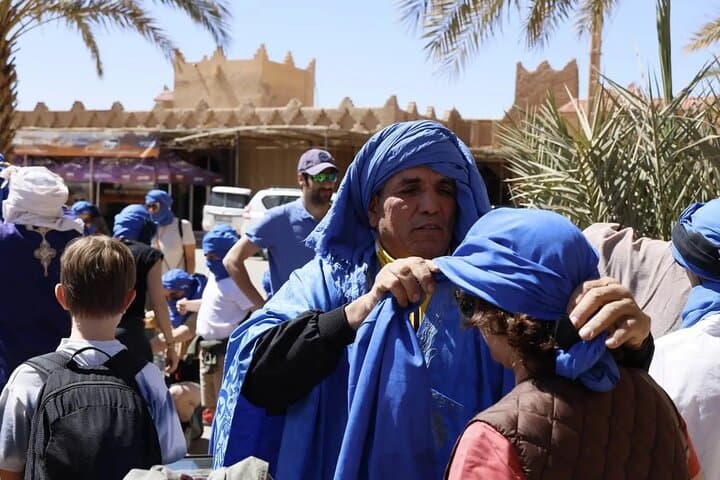
Culturally, expect Gnawa rhythms at camp, mint tea served with deliberate hospitality, and market stops where spices and dates dominate the palette. The dunes are active partners: wind sculpts ridges overnight, and sun changes color rapidly at dawn and dusk.
Practical guidance: plan lightweight layers for big diurnal swings, bring sturdy shoes for short canyon walks, and carry at least 2–3 liters of water per day while in the desert. Travel on this route requires long drives—breaks are frequent, but motion sickness remedies help. Book private transfers if you prefer flexible stops and confirm language of your guide. Nights in a luxury nomad camp will have basic comforts but limited connectivity—treat it as a deliberate unplug.
moderate.
5 days.
Suitable for travelers in regular physical condition; camel rides and short canyon hikes require basic mobility
The typical camel ride from Merzouga into the dunes is about 1.5 hours each way—enough to reach a private camp well inside Erg Chebbi.
According to the itinerary, breakfasts and dinners during the tour and most listed entry admissions are included—confirm specifics with the operator before travel.
The tour notes service animals allowed and stroller access for infants, but it is not recommended for pregnant travelers or those with serious heart conditions.
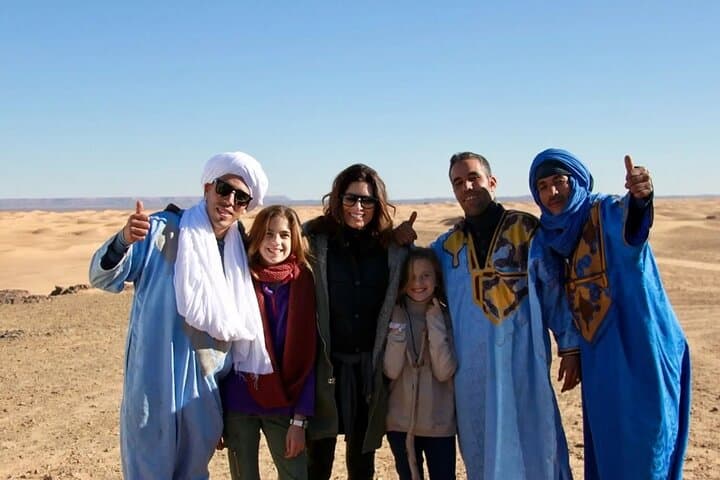
Yes; the trip offers drivers/guides in English or Spanish—request your preferred language at booking.
The route follows historic caravan and trade corridors linking Saharan oases with Atlas communities; kasbahs along the way were once both homes and defensive strongholds.
Travelers should stick to marked routes on dunes, avoid disturbing nomad camps, and minimize plastic waste—local guides prioritize sustainable water use in camps.
All Morocco Tours operates guided outdoor trips and adventures with an emphasis on safety, stewardship, and memorable experiences.
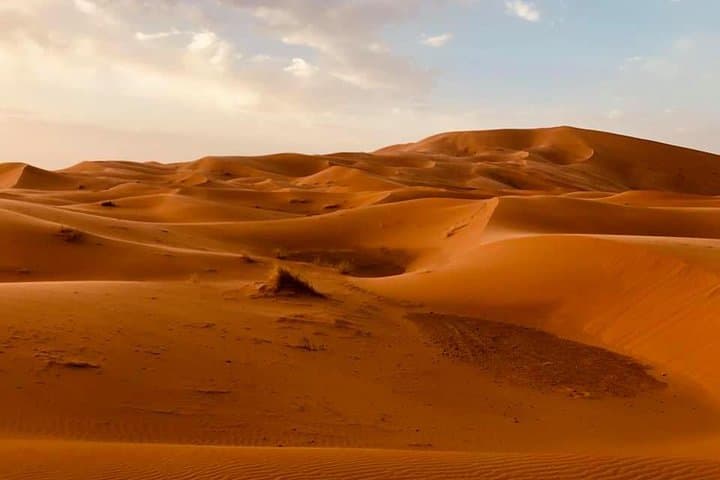
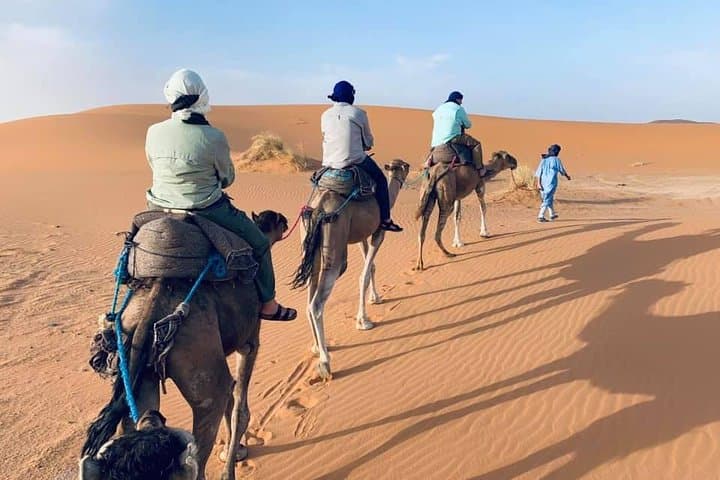
You step from Fes’s morning bustle into a sunlit windshield of road that opens onto cedar forests, rocky passes and, eventually, dunes that seem to shift beneath their own breath. The trip moves like a story—mountain villages, fossil-strewn plains, then the orange arc of Erg Chebbi rising like a living wall. Camels carry you inward; tents wait as the sky sharpens its stars.
You step from Fes’s morning bustle into a sunlit windshield of road that opens onto cedar forests, rocky passes and, eventually, dunes that seem to shift beneath their own breath. The trip moves like a story—mountain villages, fossil-strewn plains, then the orange arc of Erg Chebbi rising like a living wall. Camels carry you inward; tents wait as the sky sharpens its stars.
This corridor between Fes and Marrakech traces ancient caravan routes and the geological seam where the Atlas Mountains give way to the Sahara’s sand seas. Towns such as Ifrane and Azrou show colonial and Berber layers—cedar forests hosting Barbary macaques, and Midelt and Erfoud bearing fossil-rich limestone left from prehistoric seas. Ait Benhaddou and Telouet reveal mud-brick kasbah architecture used for centuries as fortified homes and film backdrops.
Culturally, expect Gnawa rhythms at camp, mint tea served with deliberate hospitality, and market stops where spices and dates dominate the palette. The dunes are active partners: wind sculpts ridges overnight, and sun changes color rapidly at dawn and dusk.
Practical guidance: plan lightweight layers for big diurnal swings, bring sturdy shoes for short canyon walks, and carry at least 2–3 liters of water per day while in the desert. Travel on this route requires long drives—breaks are frequent, but motion sickness remedies help. Book private transfers if you prefer flexible stops and confirm language of your guide. Nights in a luxury nomad camp will have basic comforts but limited connectivity—treat it as a deliberate unplug.