THE ADVENTURE COLLECTIVE® · Independent discovery and booking for outdoor travel

Cover the highlights of ancient Egypt in five days — from the Giza pyramids to the temples of Abu Simbel and Luxor’s royal tombs — with internal flights and expert Egyptologist guides. Expect early starts, warm days, and unforgettable archaeological contexts.
Cover the highlights of ancient Egypt in five days — from the Giza pyramids to the temples of Abu Simbel and Luxor’s royal tombs — with internal flights and expert Egyptologist guides. Expect early starts, warm days, and unforgettable archaeological contexts.
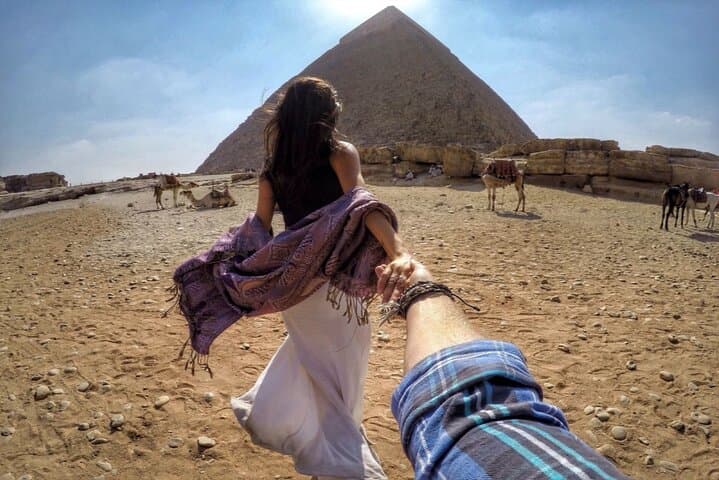
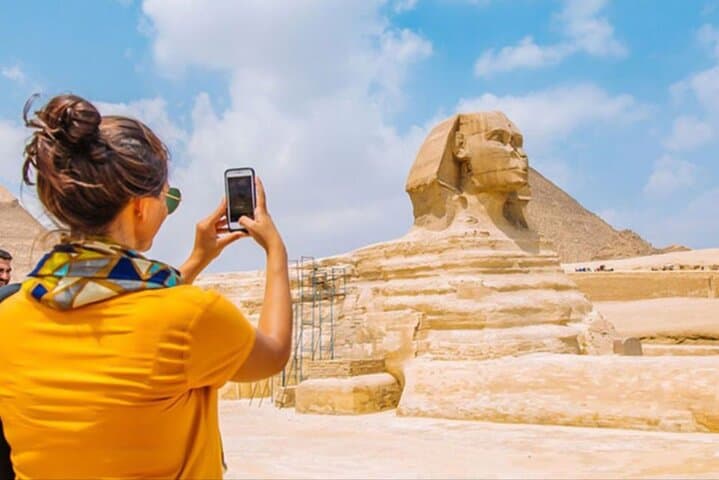
A clatter of jetways and the dry breath of the desert announce arrival in Cairo — the Nile’s broad curve like a living seam through the city. On day one travelers move from airport bustle to the quiet of a high‑rise window, watching minarets and late light over the river. By day two the Giza plateau opens: stone blocks older than recorded history rise above the plain and the Sphinx stares down the modern crowd with royal patience.
Verified experiences and guided adventures in the surrounding area.
Operated by Egypt Best Day Tours · Cairo, Cairo Governorate
A clatter of jetways and the dry breath of the desert announce arrival in Cairo — the Nile’s broad curve like a living seam through the city. On day one travelers move from airport bustle to the quiet of a high‑rise window, watching minarets and late light over the river. By day two the Giza plateau opens: stone blocks older than recorded history rise above the plain and the Sphinx stares down the modern crowd with royal patience.
This itinerary threads Egypt’s major archaeological chapters: Old Kingdom masonry at Giza, Pharaonic funerary culture in the Valley of the Kings, New Kingdom grandeur at Karnak, and the colossal temples of Ramses II at Abu Simbel — itself a modern engineering story after its 1960s relocation above the rising waters behind the Aswan High Dam. Geologically the trip crosses Nile alluvium and desert escarpments; culturally it spans Coptic, Pharaonic and Ottoman layers visible in museums, mosques and street life.
Practically, expect early starts, short internal flights (Cairo–Aswan; Luxor–Cairo), and guided walks on uneven stone floors and sandy approaches. Comfortable, breathable clothing that respects local customs, sun protection, and steady hydration make the days easier. Entrance logistics vary by site and often require separate tickets; guided Egyptologists handle navigation and context. Travelers should build recovery time into the schedule — a felucca ride or quiet café by the Nile offers a slow counterpoint to the fast pace of monuments. With straightforward planning, this five‑day loop delivers Egypt’s signature sites in a compact, historically rich package.
easy.
5 days.
Suitable for most fitness levels; requires walking on uneven stone floors and brief stair or slope climbs at temples
Yes — the itinerary includes flights from Cairo to Aswan and from Luxor back to Cairo as listed in the inclusions.
Many sites on the itinerary require separate entrance tickets; the schedule lists admissions as not included for some attractions, so confirm with the operator before arrival.
A professional Egyptologist guide is included for the tours, providing historical context and practical navigation through sites.
The tour is described as suitable for all fitness levels, but many sites have uneven surfaces and stairs; travelers with mobility constraints should check accessibility at each monument in advance.
The tour traces Egypt’s major eras — Old Kingdom pyramid builders at Giza, New Kingdom pharaohs buried in the Valley of the Kings, and the 19th‑century salvage and engineering effort that relocated Abu Simbel above the rising waters of Lake Nasser.
Sites face wear from high visitor numbers; follow site rules, stay on marked paths, avoid touching reliefs, and minimize single‑use plastics to reduce impact.
Egypt Best Day Tours operates guided outdoor trips and adventures with an emphasis on safety, stewardship, and memorable experiences.
A clatter of jetways and the dry breath of the desert announce arrival in Cairo — the Nile’s broad curve like a living seam through the city. On day one travelers move from airport bustle to the quiet of a high‑rise window, watching minarets and late light over the river. By day two the Giza plateau opens: stone blocks older than recorded history rise above the plain and the Sphinx stares down the modern crowd with royal patience.
A clatter of jetways and the dry breath of the desert announce arrival in Cairo — the Nile’s broad curve like a living seam through the city. On day one travelers move from airport bustle to the quiet of a high‑rise window, watching minarets and late light over the river. By day two the Giza plateau opens: stone blocks older than recorded history rise above the plain and the Sphinx stares down the modern crowd with royal patience.
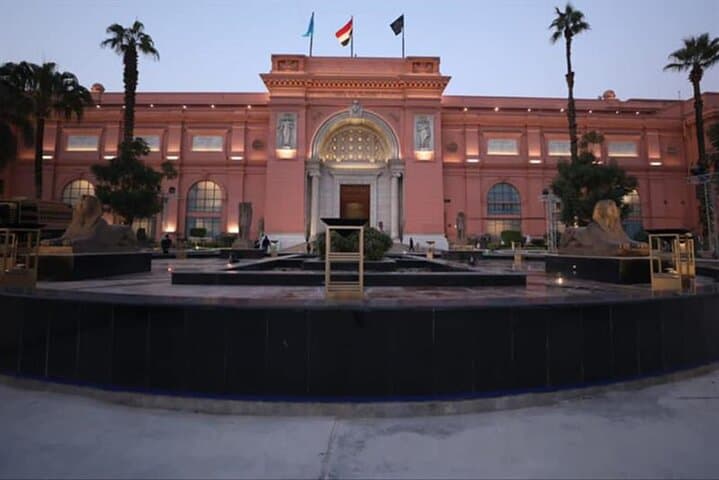
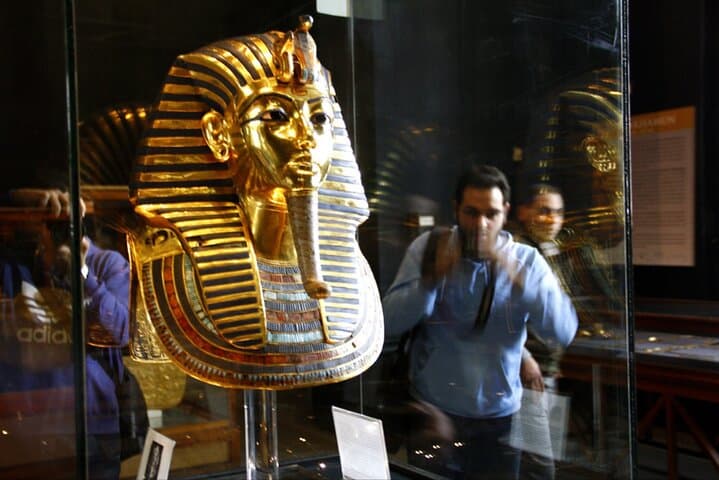
This itinerary threads Egypt’s major archaeological chapters: Old Kingdom masonry at Giza, Pharaonic funerary culture in the Valley of the Kings, New Kingdom grandeur at Karnak, and the colossal temples of Ramses II at Abu Simbel — itself a modern engineering story after its 1960s relocation above the rising waters behind the Aswan High Dam. Geologically the trip crosses Nile alluvium and desert escarpments; culturally it spans Coptic, Pharaonic and Ottoman layers visible in museums, mosques and street life.
Practically, expect early starts, short internal flights (Cairo–Aswan; Luxor–Cairo), and guided walks on uneven stone floors and sandy approaches. Comfortable, breathable clothing that respects local customs, sun protection, and steady hydration make the days easier. Entrance logistics vary by site and often require separate tickets; guided Egyptologists handle navigation and context. Travelers should build recovery time into the schedule — a felucca ride or quiet café by the Nile offers a slow counterpoint to the fast pace of monuments. With straightforward planning, this five‑day loop delivers Egypt’s signature sites in a compact, historically rich package.