THE ADVENTURE COLLECTIVE® · Independent discovery and booking for outdoor travel

Leave Casablanca for five days of mountain passes, kasbahs, and the remote sand seas of Erg Chegaga. This private itinerary combines camel rides, 4x4 crossings and nights in desert camps and riads.
Leave Casablanca for five days of mountain passes, kasbahs, and the remote sand seas of Erg Chegaga. This private itinerary combines camel rides, 4x4 crossings and nights in desert camps and riads.
The engine hums to life before sunrise as Casablanca slides away and the road leans into the High Atlas. By midmorning the Tizi-n-Tichka pass climbs to 2,260 m, air thinning and the landscape flipping from coastal plain to ochre and stone. Sun hits kasbah walls and the convoy of olive and argan trees gives way to the wide, skeletal lines of pre-Saharan plateaus.
Verified experiences and guided adventures in the surrounding area.
Operated by Marrakechandcasablancatours · Casablanca, Casablanca-Settat
The engine hums to life before sunrise as Casablanca slides away and the road leans into the High Atlas. By midmorning the Tizi-n-Tichka pass climbs to 2,260 m, air thinning and the landscape flipping from coastal plain to ochre and stone. Sun hits kasbah walls and the convoy of olive and argan trees gives way to the wide, skeletal lines of pre-Saharan plateaus.
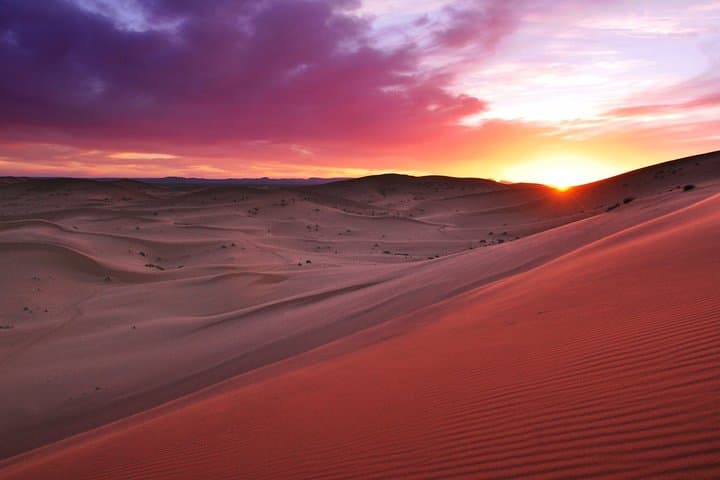
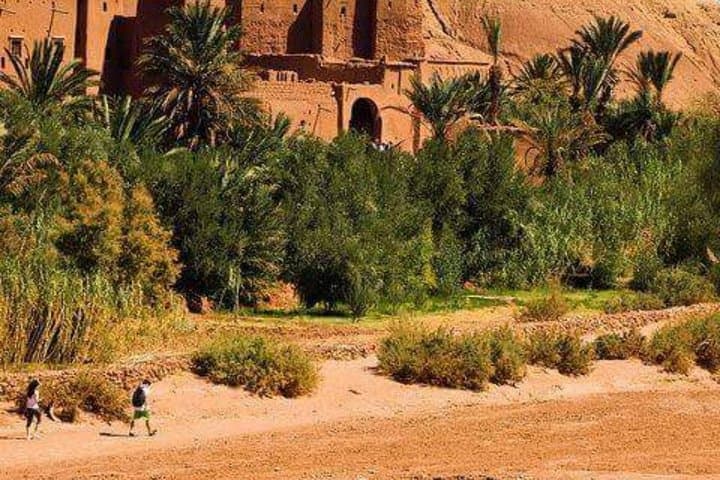
This route traces old caravan arteries: fortified ksour, movie studios around Ouarzazate, and the trading towns that linked Marrakech to the sands. Geologically, the journey moves from folded Atlas ranges into alluvial plains and, finally, wind-sculpted dunes—Erg Chegaga’s ridges are wind-built, some reaching a few hundred meters in relief and shifting with each season. Culture along the way is Berber and Saharan Arab: small guesthouses and riads, mint tea rituals, and tented camps that continue communal storytelling under the stars.
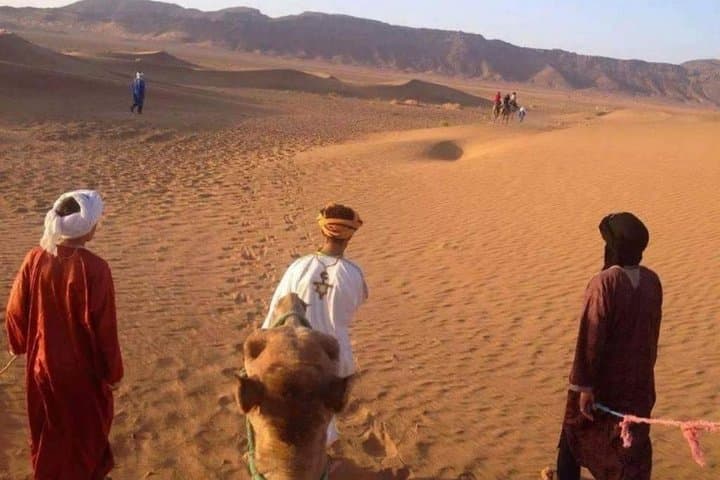
Expect a mix of driving and walking: two-hour camel rides outside M’hamid, 4x4 crossings across desert flats, and an afternoon exploring dune slopes on foot. Nights are a study in contrast—heated days and cold desert nights—spent in private Berber tents at Caravane du Sud and a riad in Marrakech. Practical notes: start early to avoid midday heat, carry at least 3 liters of water per person, and bring layers for nighttime temperatures that can drop sharply. Footwear should handle sand and stony tracks; a small daypack, sun protection, and a headlamp make camp life simpler. The trip delivers open horizons and a measured, sensory conversation with the desert—its silence, its tracks, and its sky.
moderate.
5 days.
Moderate fitness: able to handle several hours of light walking, short camel rides and long vehicle transfers.
The tour begins with hotel pickup in Casablanca (typically 7:00 AM) and returns to Casablanca on day five after a city tour of Marrakech.
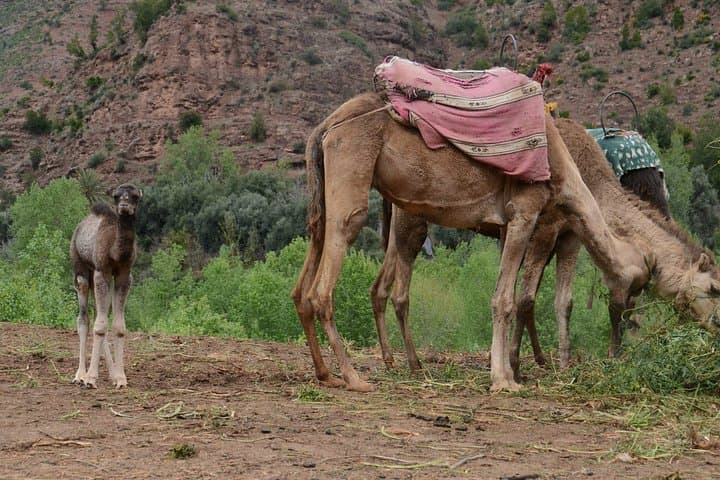
The itinerary includes approximately two hours of camel riding near Erg Lihoudi/M’hamid, plus short transfers on foot and by 4x4.
Nights are in private Berber-style tents at Caravane du Sud camp; other nights are in a guesthouse in Ouarzazate and a riad in Marrakech with basic to comfortable amenities.
Children are allowed but must be accompanied by an adult; the tour is not recommended for pregnant travelers due to long drives and desert conditions.
This corridor follows centuries-old caravan routes linking Marrakech with Saharan oases; Ouarzazate later became a hub for film production and kasbah architecture.
The dune ecosystem is fragile—stay on established tracks, pack out waste, and minimize water use; support local guides who practice low-impact camping.
Marrakechandcasablancatours operates guided outdoor trips and adventures with an emphasis on safety, stewardship, and memorable experiences.
The engine hums to life before sunrise as Casablanca slides away and the road leans into the High Atlas. By midmorning the Tizi-n-Tichka pass climbs to 2,260 m, air thinning and the landscape flipping from coastal plain to ochre and stone. Sun hits kasbah walls and the convoy of olive and argan trees gives way to the wide, skeletal lines of pre-Saharan plateaus.
The engine hums to life before sunrise as Casablanca slides away and the road leans into the High Atlas. By midmorning the Tizi-n-Tichka pass climbs to 2,260 m, air thinning and the landscape flipping from coastal plain to ochre and stone. Sun hits kasbah walls and the convoy of olive and argan trees gives way to the wide, skeletal lines of pre-Saharan plateaus.
This route traces old caravan arteries: fortified ksour, movie studios around Ouarzazate, and the trading towns that linked Marrakech to the sands. Geologically, the journey moves from folded Atlas ranges into alluvial plains and, finally, wind-sculpted dunes—Erg Chegaga’s ridges are wind-built, some reaching a few hundred meters in relief and shifting with each season. Culture along the way is Berber and Saharan Arab: small guesthouses and riads, mint tea rituals, and tented camps that continue communal storytelling under the stars.
Expect a mix of driving and walking: two-hour camel rides outside M’hamid, 4x4 crossings across desert flats, and an afternoon exploring dune slopes on foot. Nights are a study in contrast—heated days and cold desert nights—spent in private Berber tents at Caravane du Sud and a riad in Marrakech. Practical notes: start early to avoid midday heat, carry at least 3 liters of water per person, and bring layers for nighttime temperatures that can drop sharply. Footwear should handle sand and stony tracks; a small daypack, sun protection, and a headlamp make camp life simpler. The trip delivers open horizons and a measured, sensory conversation with the desert—its silence, its tracks, and its sky.