THE ADVENTURE COLLECTIVE® · Independent discovery and booking for outdoor travel

A compact five-day circuit from Tbilisi that pairs iconic churches, mountain panoramas and Black Sea culture. Ideal for travelers wanting history, geology and hands-on culinary encounters across Georgia.
A compact five-day circuit from Tbilisi that pairs iconic churches, mountain panoramas and Black Sea culture. Ideal for travelers wanting history, geology and hands-on culinary encounters across Georgia.
You step off the minibus as the air sharpens and the city’s tile roofs give way to river valleys — this is Georgia’s spine in motion. From Tbilisi’s sulfur baths to the cliff-face cells of Vardzia, the trip threads churches, fortresses and seaside boulevards into a compact five-day route that reads like a field guide to Georgian identity.
Verified experiences and guided adventures in the surrounding area.
Operated by Budget Georgia · Tbilisi, Tbilisi
You step off the minibus as the air sharpens and the city’s tile roofs give way to river valleys — this is Georgia’s spine in motion. From Tbilisi’s sulfur baths to the cliff-face cells of Vardzia, the trip threads churches, fortresses and seaside boulevards into a compact five-day route that reads like a field guide to Georgian identity.
History opens in Mtskheta, an early Christian capital where Svetitskhoveli cathedral anchors centuries of pilgrimage. The Greater Caucasus frames the drive north: Ananuri’s stone towers and Zhinvali reservoir speak to medieval frontier life and the region’s volcanic and tectonic past that raised these ridgelines. In Kazbegi the Gergeti Trinity Church perches above alpine meadows, while Batumi’s Black Sea promenade shows Ottoman, Soviet and modern façades rubbing shoulders.
Culture arrives at table: family wineries around Kutaisi offer qvevri-aged wines and Imereuri cooking; in Borjomi you taste mineral springs that made the town famous. Vardzia’s cave city connects medieval monastic life to defensive needs in a landscape of erodible tuff.
Practical guidance: pack layered clothing for mountain chills, sturdy shoes for cobbled streets and short hikes, and a refillable bottle to reduce plastic. Expect long drives between highlights — use window time to watch the geology change from river gorges to limestone plateaus. Modest dress is required at churches, cash is useful in villages, and booking a guided multi-day tour keeps logistics (permits, local drivers) straightforward. Start early in summer to avoid midday heat and leave space in your itinerary to linger at a roadside viewpoint — the mountains will not rush you.
easy.
5 days.
Suitable for travelers in general good health who can handle multiple short walks and long transfer drives.
Yes — the itinerary is classified as physically easy; infants must sit on laps and some long drives may be tiring for very young children.
The tour includes at least one dinner and local wine tastings noted in the itinerary, plus air-conditioned transportation between stops and English-speaking guiding service.
Most sites visited are publicly accessible; some museums or cableways may charge entrance fees not covered by the tour—bring small cash for admissions.
Expect short to moderate walks (10–90 minutes) at several stops—cobblestones, cable car approaches and monastery steps are common.
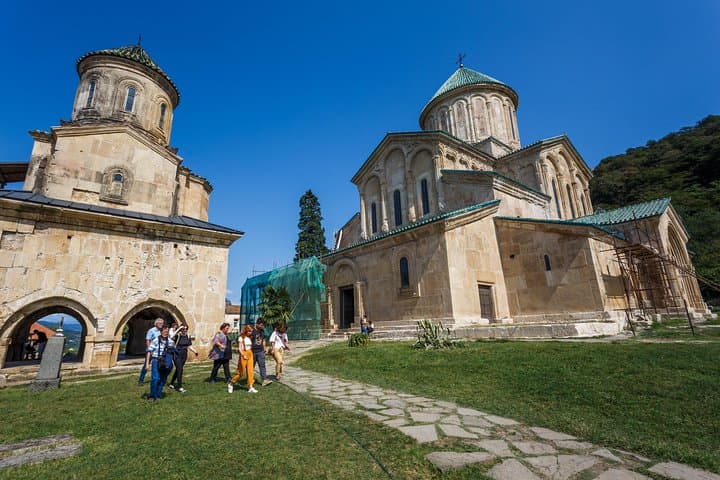
The route connects two millennia of Georgian history — from early Christian centers like Mtskheta to kingdom-era monasteries (Gelati) and medieval cave complexes (Vardzia).
Increased visitors require care around fragile sites: stick to marked paths at Vardzia and avoid leaving waste in mountain and river areas to protect local ecosystems.
Budget Georgia operates guided outdoor trips and adventures with an emphasis on safety, stewardship, and memorable experiences.
You step off the minibus as the air sharpens and the city’s tile roofs give way to river valleys — this is Georgia’s spine in motion. From Tbilisi’s sulfur baths to the cliff-face cells of Vardzia, the trip threads churches, fortresses and seaside boulevards into a compact five-day route that reads like a field guide to Georgian identity.
You step off the minibus as the air sharpens and the city’s tile roofs give way to river valleys — this is Georgia’s spine in motion. From Tbilisi’s sulfur baths to the cliff-face cells of Vardzia, the trip threads churches, fortresses and seaside boulevards into a compact five-day route that reads like a field guide to Georgian identity.
History opens in Mtskheta, an early Christian capital where Svetitskhoveli cathedral anchors centuries of pilgrimage. The Greater Caucasus frames the drive north: Ananuri’s stone towers and Zhinvali reservoir speak to medieval frontier life and the region’s volcanic and tectonic past that raised these ridgelines. In Kazbegi the Gergeti Trinity Church perches above alpine meadows, while Batumi’s Black Sea promenade shows Ottoman, Soviet and modern façades rubbing shoulders.
Culture arrives at table: family wineries around Kutaisi offer qvevri-aged wines and Imereuri cooking; in Borjomi you taste mineral springs that made the town famous. Vardzia’s cave city connects medieval monastic life to defensive needs in a landscape of erodible tuff.
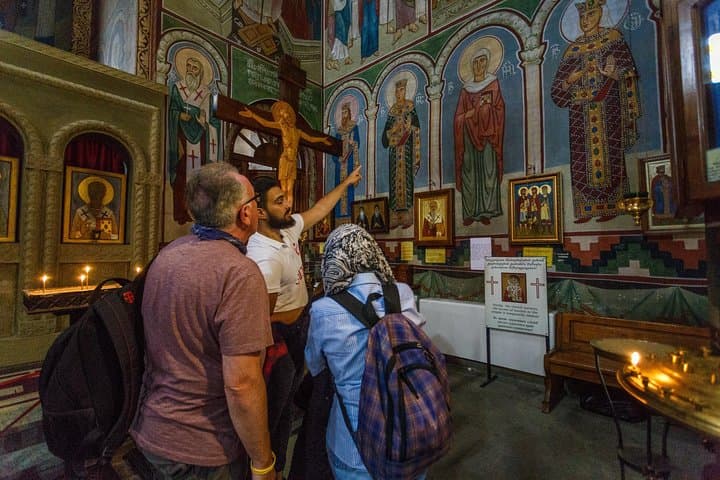
Practical guidance: pack layered clothing for mountain chills, sturdy shoes for cobbled streets and short hikes, and a refillable bottle to reduce plastic. Expect long drives between highlights — use window time to watch the geology change from river gorges to limestone plateaus. Modest dress is required at churches, cash is useful in villages, and booking a guided multi-day tour keeps logistics (permits, local drivers) straightforward. Start early in summer to avoid midday heat and leave space in your itinerary to linger at a roadside viewpoint — the mountains will not rush you.