THE ADVENTURE COLLECTIVE® · Independent discovery and booking for outdoor travel

Walk the Silk Road’s great monuments over five days: Tashkent’s modern squares, Bukhara’s fortress and trading domes, and Samarkand’s jewel-like Registan. This group tour blends guided history with practical logistics—train transfers, museum entries and halal-friendly options included.
Walk the Silk Road’s great monuments over five days: Tashkent’s modern squares, Bukhara’s fortress and trading domes, and Samarkand’s jewel-like Registan. This group tour blends guided history with practical logistics—train transfers, museum entries and halal-friendly options included.
You step into Tashkent as morning light washes across Soviet boulevards and the spice-scented domes of old mosques puncture the skyline.
Verified experiences and guided adventures in the surrounding area.
Operated by Mercury Travel · Tashkent, Tashkent Region
You step into Tashkent as morning light washes across Soviet boulevards and the spice-scented domes of old mosques puncture the skyline.
Over five days the group moves like a measured caravan from Tashkent’s Khast Imam and Amir Timur Square to the ochre walls of Bukhara and the blue-tiled pageantry of Samarkand’s Registan. The route follows the cultural spine of the Silk Road: river valleys and dry steppe folded between low ranges, where the Zeravshan’s long history carved fertile corridors for cities and ideas.
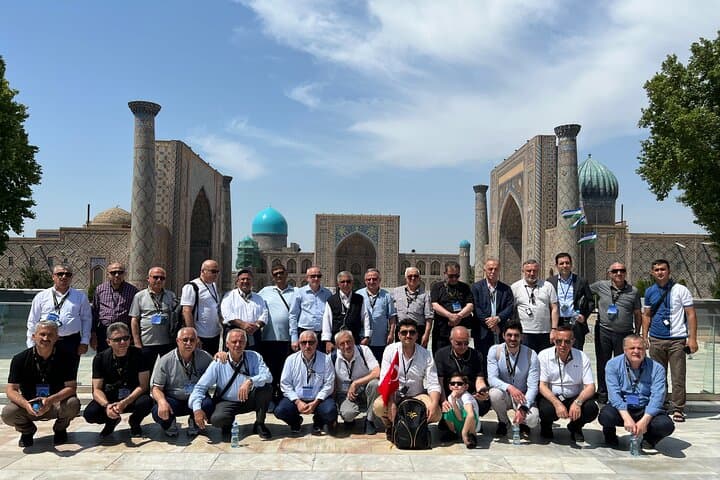
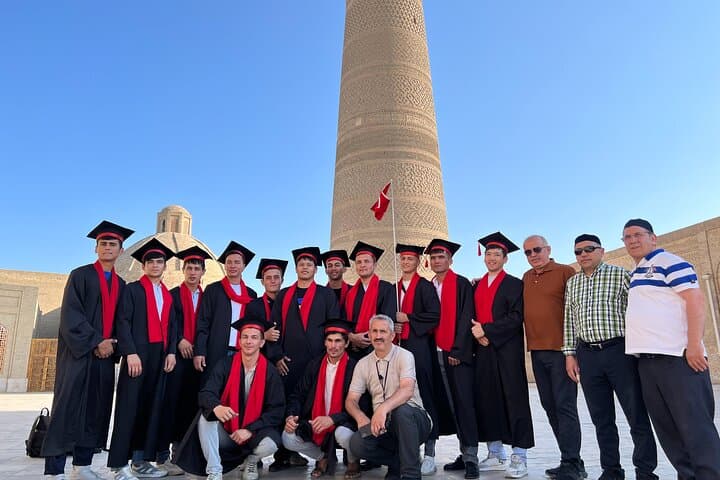
History here is tactile—Timurid tombs, Samanid brickwork, madrassahs whose tilework still argues in blues and golds. In Bukhara the Ark and trading domes recall medieval markets; in Samarkand, observatories and mausoleums speak to an era of astronomy and scholarship. Local craft villages like Konigil keep silk-weaving and paper-making alive, a practical thread from past to present.
Practically: expect several hours of on-foot exploration each day on uneven cobbles and courtyard flagstones; the itinerary uses intercity rail and coach transfers (train tickets included). Modest dress is required for mosque visits; carry a passport copy for admissions. Hydrate—southern Uzbekistan is semi-arid and sun can be intense in summer—while layering for cool evenings in spring/fall. Hotels are 3*+ or boutique, with breakfasts and most dinners included and entrance fees as noted.
This is a cultural walking tour first and foremost: plan for steady, moderate walking, a curiosity for history, and practical gear—sturdy shoes, sun protection, and an adaptable attitude for fast-moving days.
moderate.
5 days.
Moderate fitness: able to walk 2–4 hours per day on uneven surfaces and climb stairs at historic sites.
The tour includes entrance to listed monuments, intercity train tickets where specified, transfers and local transport as per itinerary.
Yes—guides experienced with Islamic culture are available and halal dining options can be provided on request.
Expect moderate walking: 2–4 hours per day across markets, madrasahs and archaeological sites, often on uneven surfaces and steps.
Visa requirements vary by nationality—check current Uzbek government guidance well before travel and ensure your passport has sufficient validity.
Cities on this route grew on Silk Road trade and were shaped by Samanid and Timurid dynasties; architectural styles reflect centuries of Islamic scholarship and caravan commerce.
Water is a scarce resource in parts of Uzbekistan—respect local rules on water use and avoid single-use plastics where possible; support artisans directly to sustain traditional crafts.
Mercury Travel operates guided outdoor trips and adventures with an emphasis on safety, stewardship, and memorable experiences.

You step into Tashkent as morning light washes across Soviet boulevards and the spice-scented domes of old mosques puncture the skyline.
You step into Tashkent as morning light washes across Soviet boulevards and the spice-scented domes of old mosques puncture the skyline.
Over five days the group moves like a measured caravan from Tashkent’s Khast Imam and Amir Timur Square to the ochre walls of Bukhara and the blue-tiled pageantry of Samarkand’s Registan. The route follows the cultural spine of the Silk Road: river valleys and dry steppe folded between low ranges, where the Zeravshan’s long history carved fertile corridors for cities and ideas.
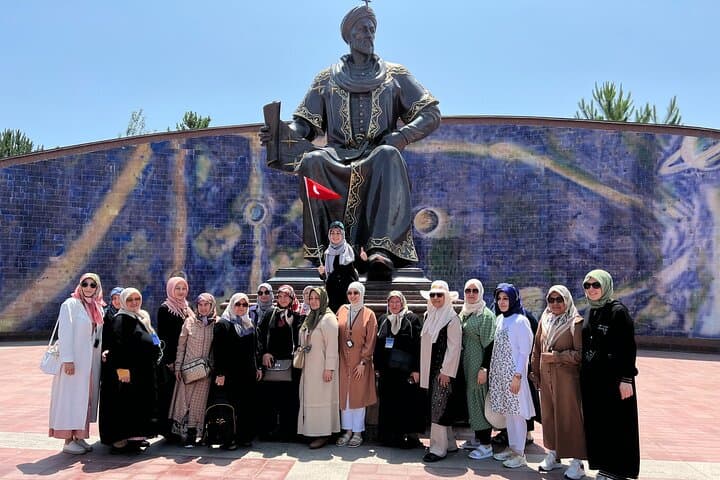
History here is tactile—Timurid tombs, Samanid brickwork, madrassahs whose tilework still argues in blues and golds. In Bukhara the Ark and trading domes recall medieval markets; in Samarkand, observatories and mausoleums speak to an era of astronomy and scholarship. Local craft villages like Konigil keep silk-weaving and paper-making alive, a practical thread from past to present.
Practically: expect several hours of on-foot exploration each day on uneven cobbles and courtyard flagstones; the itinerary uses intercity rail and coach transfers (train tickets included). Modest dress is required for mosque visits; carry a passport copy for admissions. Hydrate—southern Uzbekistan is semi-arid and sun can be intense in summer—while layering for cool evenings in spring/fall. Hotels are 3*+ or boutique, with breakfasts and most dinners included and entrance fees as noted.
This is a cultural walking tour first and foremost: plan for steady, moderate walking, a curiosity for history, and practical gear—sturdy shoes, sun protection, and an adaptable attitude for fast-moving days.