THE ADVENTURE COLLECTIVE® · Independent discovery and booking for outdoor travel

Spend five days tracking Kenya’s Big Five with private transport and experienced guides. Expect game drives at dawn and dusk, varied terrain, and opportunities to learn about local cultures and conservation.
Spend five days tracking Kenya’s Big Five with private transport and experienced guides. Expect game drives at dawn and dusk, varied terrain, and opportunities to learn about local cultures and conservation.
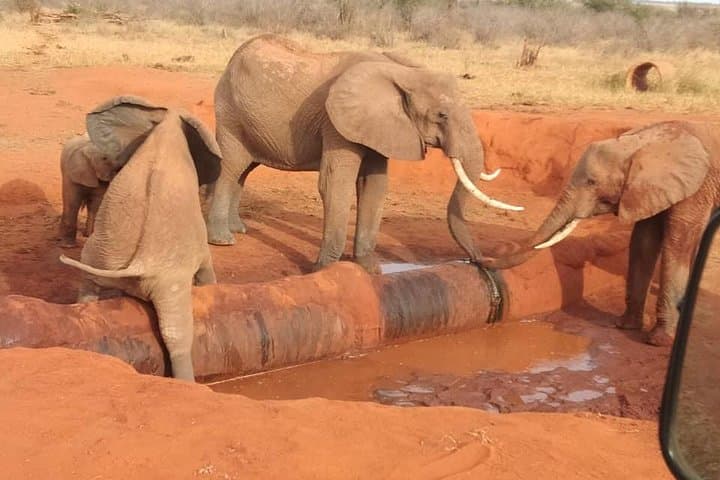
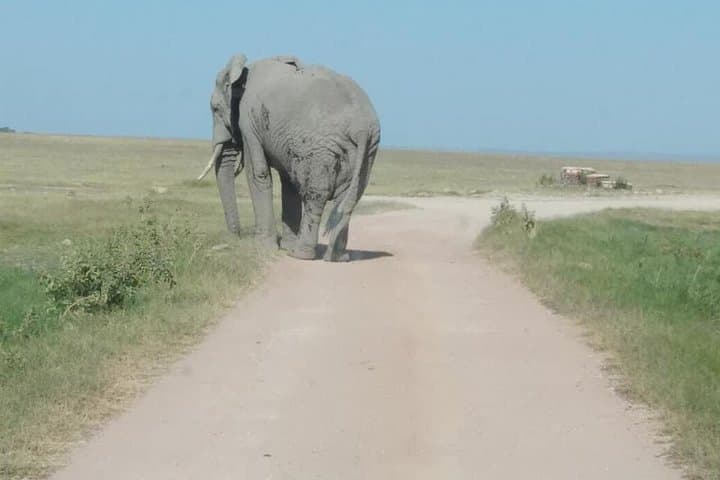
You step out before dawn and the air is cool, the horizon a band of pale light over acacia and grass. A guide fires up the Toyota, and the landscape slides past: termite mounds, scrub, and the occasional silhouette of a distant elephant moving like a slow wave. This is the rhythm of a five-day Big Five safari in Kenya — long drives broken by sudden, close-up animal encounters.
Verified experiences and guided adventures in the surrounding area.
Operated by KT & Safaris · Nairobi, Nairobi County
You step out before dawn and the air is cool, the horizon a band of pale light over acacia and grass. A guide fires up the Toyota, and the landscape slides past: termite mounds, scrub, and the occasional silhouette of a distant elephant moving like a slow wave. This is the rhythm of a five-day Big Five safari in Kenya — long drives broken by sudden, close-up animal encounters.
The route typically threads through classic East African ecosystems shaped by volcanic plains and seasonal rivers; many safaris visit national reserves established during the colonial era to protect declining wildlife populations. Local communities — Maasai, Samburu and others depending on the region — have long lived with wildlife, and cultural tourism often complements game viewing with market visits or village walks.
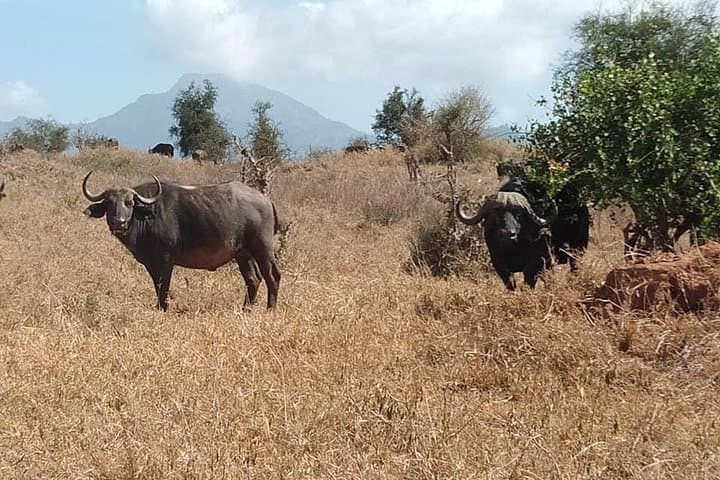
Expect full days of game drives with variable terrain: packed dirt tracks, open savanna, and riverine woodland. Guides use binoculars and tracking experience to find lions, leopards, buffalo, elephants and rhinos — the traditional Big Five — and to read signs of nocturnal species after dusk.
Practical notes: pack layered clothing for cool mornings and hot afternoons, sun protection, and a lightweight rain shell for short rains March–May and October–November. Bring a good pair of binoculars and a camera with a telephoto lens. Accommodations range from mobile camps to permanent lodges; meals and park fees are often included in private packages. Mobility-friendly vehicles are common, and this style of safari is accessible to a wide range of fitness levels when transfers are by vehicle.
Timely planning around seasonal rains improves road conditions and animal visibility; early-morning and late-afternoon drives provide the richest wildlife action.
moderate.
5 days.
Suitable for most people in reasonable health; involves long vehicle days and short walks at lodges, so basic mobility is required.
The Big Five are lion, leopard, elephant, buffalo and rhinoceros — historically the most challenging animals to hunt and now sought for viewing.
Many operators offer wheelchair-accessible transport and some lodges are accessible; confirm specific vehicle and lodge accessibility when booking.
Dry seasons (June–October and January–February) tend to concentrate animals around water and improve road access, but shoulder seasons offer lush scenery and fewer crowds.
Private safari packages often include park fees, accommodations and meals, but verify inclusions and any extras like gratuities or optional activities.
Modern Kenyan national parks were created in the mid-20th century to protect wildlife from increasing human pressure and to promote tourism as an economic driver.
Many reserves work with local communities on anti-poaching patrols and sustainable tourism initiatives; visitors can support conservation by choosing operators who contribute to local programs.
KT & Safaris operates guided outdoor trips and adventures with an emphasis on safety, stewardship, and memorable experiences.
You step out before dawn and the air is cool, the horizon a band of pale light over acacia and grass. A guide fires up the Toyota, and the landscape slides past: termite mounds, scrub, and the occasional silhouette of a distant elephant moving like a slow wave. This is the rhythm of a five-day Big Five safari in Kenya — long drives broken by sudden, close-up animal encounters.
You step out before dawn and the air is cool, the horizon a band of pale light over acacia and grass. A guide fires up the Toyota, and the landscape slides past: termite mounds, scrub, and the occasional silhouette of a distant elephant moving like a slow wave. This is the rhythm of a five-day Big Five safari in Kenya — long drives broken by sudden, close-up animal encounters.
The route typically threads through classic East African ecosystems shaped by volcanic plains and seasonal rivers; many safaris visit national reserves established during the colonial era to protect declining wildlife populations. Local communities — Maasai, Samburu and others depending on the region — have long lived with wildlife, and cultural tourism often complements game viewing with market visits or village walks.
Expect full days of game drives with variable terrain: packed dirt tracks, open savanna, and riverine woodland. Guides use binoculars and tracking experience to find lions, leopards, buffalo, elephants and rhinos — the traditional Big Five — and to read signs of nocturnal species after dusk.
Practical notes: pack layered clothing for cool mornings and hot afternoons, sun protection, and a lightweight rain shell for short rains March–May and October–November. Bring a good pair of binoculars and a camera with a telephoto lens. Accommodations range from mobile camps to permanent lodges; meals and park fees are often included in private packages. Mobility-friendly vehicles are common, and this style of safari is accessible to a wide range of fitness levels when transfers are by vehicle.
Timely planning around seasonal rains improves road conditions and animal visibility; early-morning and late-afternoon drives provide the richest wildlife action.