THE ADVENTURE COLLECTIVE® · Independent discovery and booking for outdoor travel

Five days from Marrakech through the High Atlas to Ouzoud Waterfalls, this route threads UNESCO kasbahs, towering gorges and remote Berber villages. Expect long drives, short hikes, and immersive cultural stops with overnight stays in small towns.
Five days from Marrakech through the High Atlas to Ouzoud Waterfalls, this route threads UNESCO kasbahs, towering gorges and remote Berber villages. Expect long drives, short hikes, and immersive cultural stops with overnight stays in small towns.
You begin in Marrakech before sunrise, the city’s ochre walls fading behind the van as the High Atlas unfolds — a serrated skyline that pushes you upward toward Tizi n’Tichka.
Verified experiences and guided adventures in the surrounding area.
Operated by Gold journey tours · Marrakech, Marrakesh-Safi
You begin in Marrakech before sunrise, the city’s ochre walls fading behind the van as the High Atlas unfolds — a serrated skyline that pushes you upward toward Tizi n’Tichka.
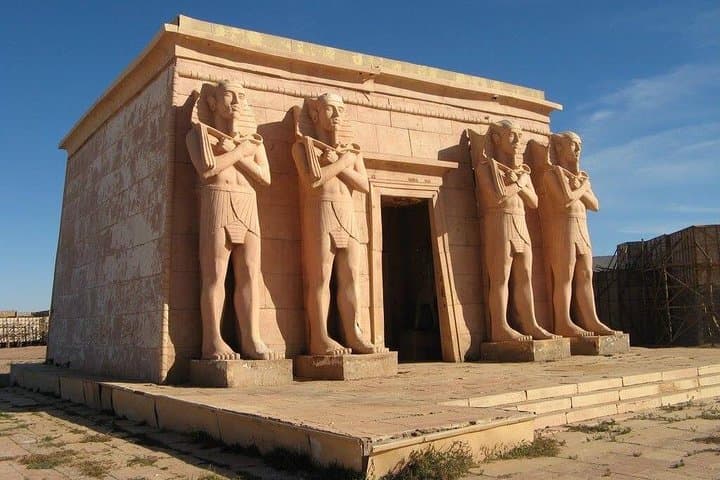
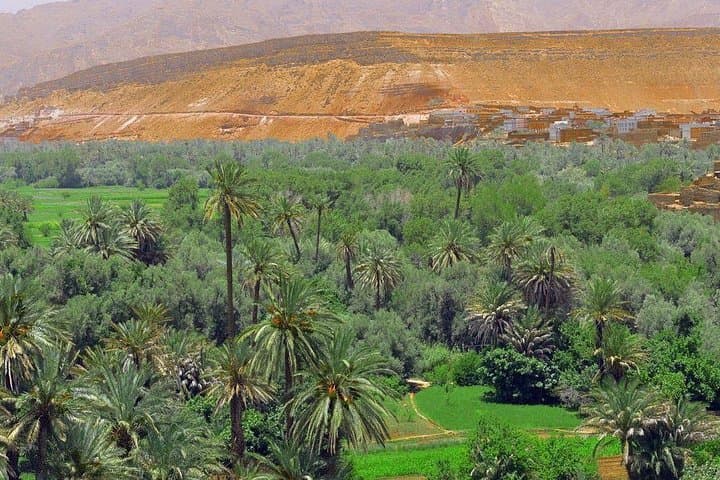
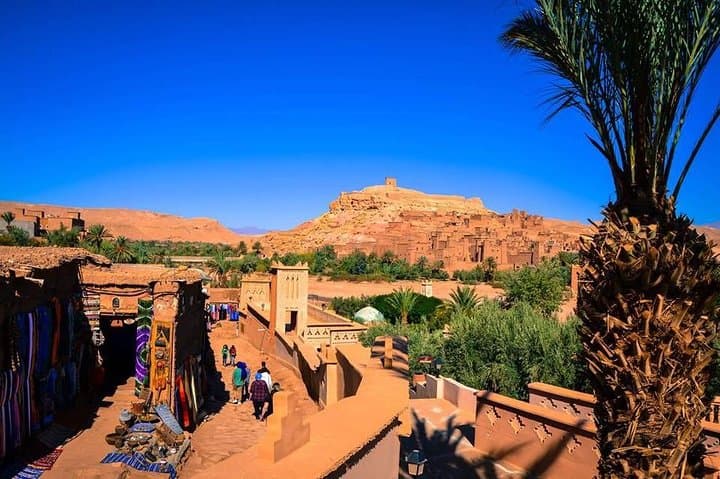
The road climbs to 2,260 m, and the landscape rearranges itself: terraced fields give way to stony passes, then to ochre kasbahs that catch the late light. Ait Ben Haddou stands like a living map of mud-brick architecture, its alleys and defensive towers shaped by centuries of Amazigh (Berber) settlement and caravan trade. Beyond, Ouarzazate’s film studios and the floral-scented Dades Valley hint at a modern layer over ancient routes.
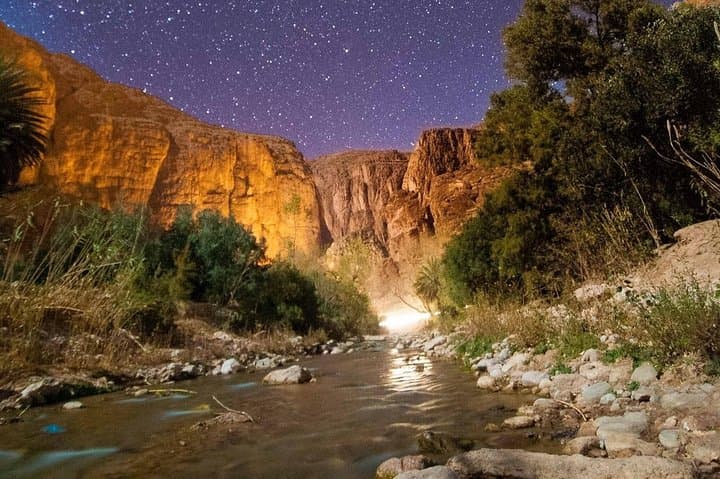
Geology does the heavy lifting here — uplifted Atlas ranges, fluvial erosion carving the narrow Todra Gorge, and crystalline lakes at Imilchil that collect meltwater from winter snows. Culture threads through every stop: shared mint tea in a family home, a night in a desert tent with nomads, and the annual Imilchil marriage festival where community customs are on full display.
Practicalities matter: expect long drives between points, uneven footpaths in gorges, and short hikes to viewpoints. Pack a warm layer for high passes, sturdy shoes for loose scree and riverbed walking, and a refillable water bottle — potable water can be intermittent outside towns. Travel in spring or fall for milder temperatures; summer brings heat in low valleys while winter can close high passes.
This itinerary pairs cultural immersion with rugged landscapes — ideal for travelers who want a paced, tactile route through Morocco’s Atlas spine with hotel nights and a mix of short hikes and roadside discoveries.
moderate.
5 days.
Moderate fitness for short hikes, some uneven terrain, and multiple long drives; comfortable mobility recommended.
This private tour includes a driver and local guide; a guide enhances cultural context and navigation in remote areas.
Children can join but infants must sit on laps; long drives and uneven terrain may be tiring for very young travelers.
Overnights are in small hotels or family-run lodges — generally comfortable but modest compared with city hotels.
Local hosts can adapt meals when warned in advance; note that ingredient availability can be limited in remote villages.
The route follows ancient Amazigh caravan corridors; Ait Ben Haddou is a UNESCO kasbah complex that once controlled trade into the Sahara and later became a film-location hub.
Water is a scarce resource across these valleys; support local businesses, avoid single-use plastics, and stay on established paths to reduce erosion.
Gold journey tours operates guided outdoor trips and adventures with an emphasis on safety, stewardship, and memorable experiences.
You begin in Marrakech before sunrise, the city’s ochre walls fading behind the van as the High Atlas unfolds — a serrated skyline that pushes you upward toward Tizi n’Tichka.
You begin in Marrakech before sunrise, the city’s ochre walls fading behind the van as the High Atlas unfolds — a serrated skyline that pushes you upward toward Tizi n’Tichka.
The road climbs to 2,260 m, and the landscape rearranges itself: terraced fields give way to stony passes, then to ochre kasbahs that catch the late light. Ait Ben Haddou stands like a living map of mud-brick architecture, its alleys and defensive towers shaped by centuries of Amazigh (Berber) settlement and caravan trade. Beyond, Ouarzazate’s film studios and the floral-scented Dades Valley hint at a modern layer over ancient routes.
Geology does the heavy lifting here — uplifted Atlas ranges, fluvial erosion carving the narrow Todra Gorge, and crystalline lakes at Imilchil that collect meltwater from winter snows. Culture threads through every stop: shared mint tea in a family home, a night in a desert tent with nomads, and the annual Imilchil marriage festival where community customs are on full display.
Practicalities matter: expect long drives between points, uneven footpaths in gorges, and short hikes to viewpoints. Pack a warm layer for high passes, sturdy shoes for loose scree and riverbed walking, and a refillable water bottle — potable water can be intermittent outside towns. Travel in spring or fall for milder temperatures; summer brings heat in low valleys while winter can close high passes.
This itinerary pairs cultural immersion with rugged landscapes — ideal for travelers who want a paced, tactile route through Morocco’s Atlas spine with hotel nights and a mix of short hikes and roadside discoveries.